


Does Your Brazilian Jiu-Jitsu Academy Need a Curriculum?
Does Your Brazilian Jiu-Jitsu Academy Need a Curriculum?
In the world of BJJ, academies find themselves debating a question that reaches far beyond techniques and belt levels: Does your academy actually need a formal curriculum?
The answer matters—not just for your students' development, but for your academy's sustainability, reputation, and most importantly, for injury prevention. Recent research published in The Sport Journal reveals that structured curricula significantly reduce injury rates while improving skill acquisition and retention.
We sat down with Scott Sievwright of Primal MKE in Milwaukee—an ecological coaching pioneer who designs training programs that adapt to individual student needs—to explore why a structured curriculum isn't optional. It's essential. Learn what leading coaches know, what the research proves, and why academies without formal curricula face hidden risks that could cost you everything.
Read the full article to discover the real difference between academies with and without structured programs—and what protection looks like.
A New Study, an Ecological Coach, and a Conversation Every Owner Should Have
The Million-Dollar Question in Brazilian Jiu-Jitsu
In the world of Brazilian Jiu-Jitsu, academies find themselves debating a topic that reaches far beyond techniques, belts, or competition rules. Today, one of the biggest conversations in coaching revolves around a deceptively simple question: Does your academy actually need a formal curriculum?
The answer matters—not just for your students' development, but for your academy's sustainability, reputation, and most importantly, for injury prevention. Recent research has shed light on this question, and the findings are compelling.
Key Finding: According to recent literature, structured curricula significantly reduce injury rates among BJJ practitioners while improving skill acquisition and retention.
Understanding the Research
A comprehensive literature review titled “Injury Prevalence in Brazilian Jiu-Jitsu and Mitigation Strategies for Brazilian Jiu-Jitsu Practitioners and Instructors: A Literature Review" published in The Sport Journal has become essential reading for academy owners and instructors.
The research doesn't solely rely on anecdotal evidence or common ideas discussed in passing. Instead, it raises critical questions that every serious academy owner and coach should be asking themselves.
Among the ideas discussed was a central theme: injury prevention isn't an accident—it's the result of deliberate, structured programming. The article doesn't conclude with prescriptive rules. Instead, it raises important questions for those who spend our days on the mat with our students and in conversation with our business partners.
What Makes a Great BJJ Curriculum?
Of course, not all curricula are created equal. A well-designed program should:
Progress logically from fundamentals to advanced techniques
Incorporate injury mitigation strategies at every belt level
Balance drilling, rolling, and strength training appropriately
Adapt based on student feedback and outcomes
Include periodization like many modern training programs do
The Primal MKE Approach: An Ecological Coaching Model
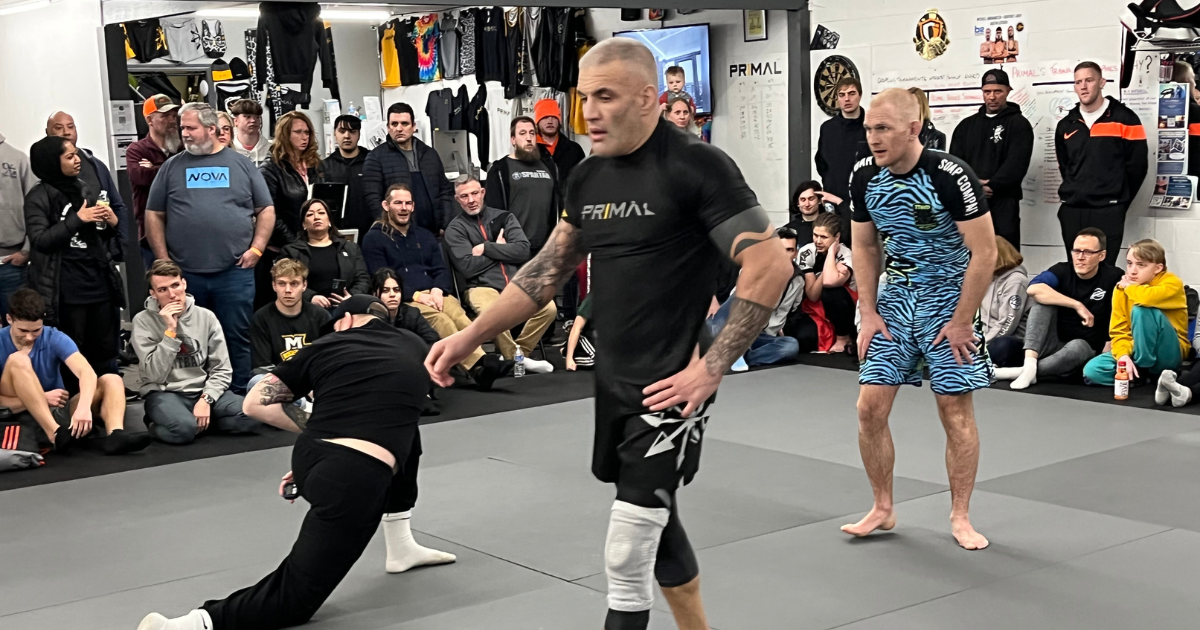
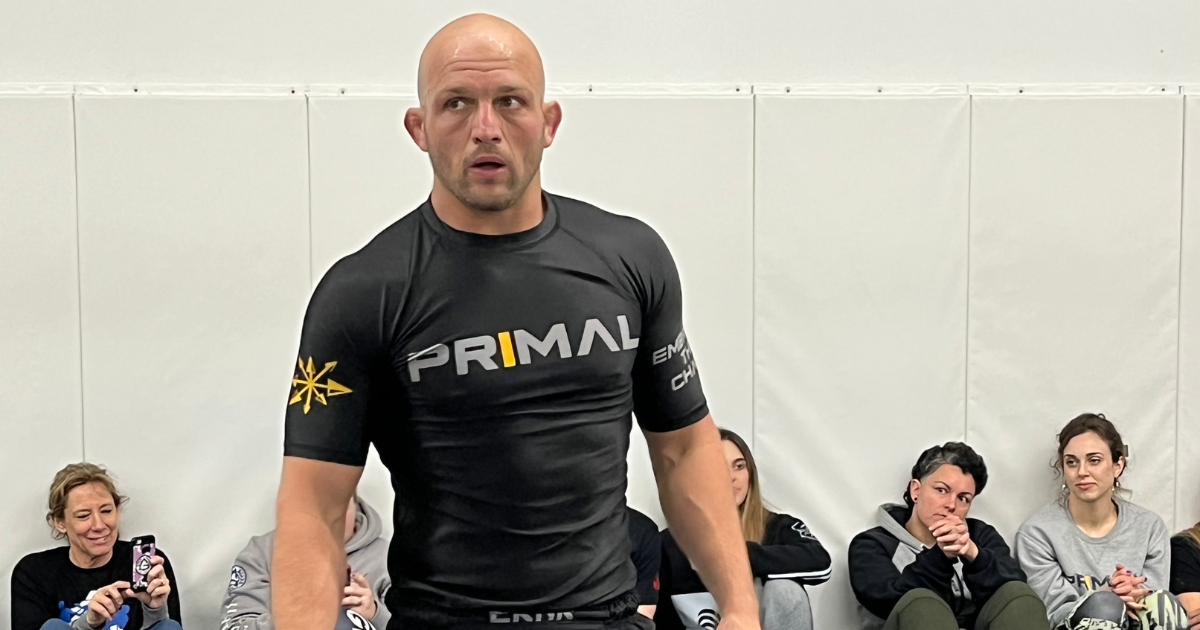
One excellent example of strategic curriculum design comes from Scott Sievwright of Primal MKE in Milwaukee. His approach emphasizes ecological coaching—meaning he designs training experiences that adapt to the individual needs, experience level, and specific goals of each student and group.
As he explains,
“Drilling is effective, but only if we're drilling the right things at the right time, with the right people, for the right reasons."
This philosophy reflects what modern sports science tells us: one-size-fits-all training is inefficient and potentially dangerous. A structured curriculum doesn't mean rigid and inflexible—it means intentional.

Curriculum vs. No Curriculum: The Real Differences
Academies without a formal curriculum often rely on:
Instructor intuition and experience alone
Whatever techniques the instructor feels like teaching that day
Ad-hoc responses to student injuries rather than prevention
Inconsistent progression between belt levels
In contrast, academies with structured curricula benefit from:
Systematic skill development from white belt to black belt
Reduced injury rates through progressive conditioning and technique training
Consistency across multiple instructors and class times
Better student retention and advancement
Improved reputation in the community
Lower insurance claims and liability exposure
The Injury Prevention Conversation
This brings us to an uncomfortable truth: many BJJ injuries are preventable. When academies take curriculum seriously, they're taking injury prevention seriously.
The question isn't just “Should we have a curriculum?" but rather “Can we afford not to?"
Consider this: Serious injuries lead to lawsuits, insurance claims, student dropout, and reputational damage. A well-designed curriculum is both a safety tool and a business investment.
Building Your Academy's Curriculum
If you're convinced that your academy needs a curriculum (and you should be), here's where to start:
Define your academy's philosophy - What are your core values? What do you want students to achieve?
Assess your student population - What are their goals? Belt levels? Age ranges?
Create a technical progression - Map out which techniques are taught at each belt level and why
Integrate conditioning and mobility work - Don't neglect the fitness components
Implement injury prevention protocols - Including warm-ups, cool-downs, and modified techniques for different populations
Establish feedback mechanisms - How will you know if your curriculum is working?
Review and iterate - Curriculum isn't static; it should evolve based on results
The Bottom Line
Does your Brazilian Jiu-Jitsu academy need a curriculum? The research says yes. The leading coaches say yes. And the safety of your students demands it.
The conversation you should be having isn't whether to implement a curriculum, but how quickly you can put one in place. Your students deserve intentional, progressive, safe training. Your academy deserves to be sustainable. And your business deserves protection against the legal and financial consequences of preventable injuries.
Protect Your Academy with Proper Insurance
At jiujitsuinsurance.com, we understand the unique risks facing BJJ academies. A structured curriculum is one part of risk management. Comprehensive insurance coverage is another.
Whether you're implementing your first curriculum or refining an existing one, make sure your academy has the protection it needs.
Resources & References
Injury Prevalence in Brazilian Jiu-Jitsu and Mitigation Strategies - The Sport Journal
jiujitsuinsurance.com - BJJ Insurance and Risk Management
About jiujitsuinsurance.com
We specialize in providing comprehensive insurance solutions for Brazilian Jiu-Jitsu academies, studios, and instructors. Our coverage is designed by people who understand the sport, for people who care about their community's safety and sustainability.


Why Martial Arts Schools Get Declined for Law Enforcement Training (and How to Do It Right).
Most martial arts insurance policies won't cover law enforcement training — and if you check that box on your application, you'll likely get declined on the spot. No explanation. No appeal. In this post, we break down why carriers take this stance and walk through the 4-step structure JiuJitsuInsurance.com uses to get BJJ and MMA gym owners approved without risking their primary policy.
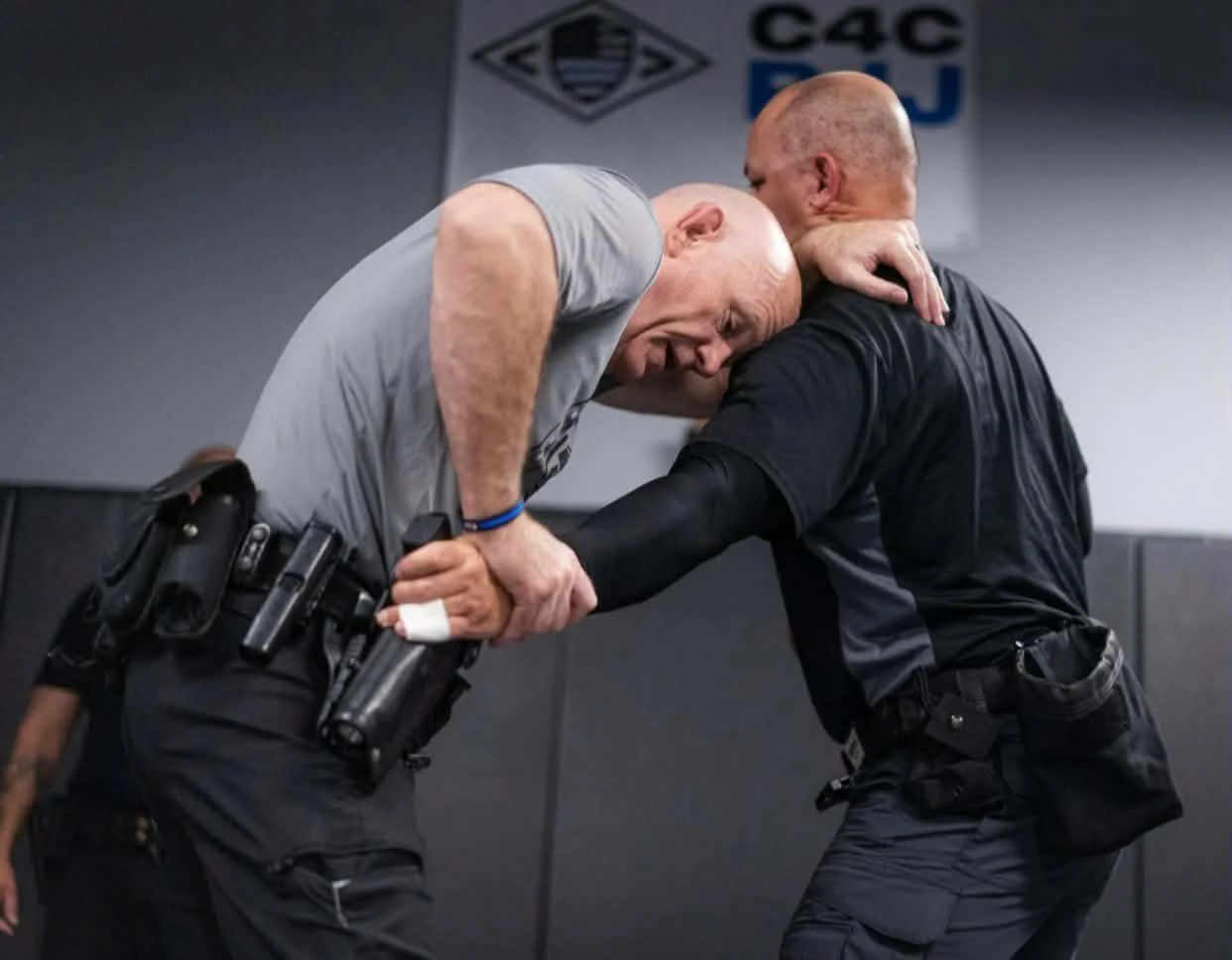
If you own a martial arts academy, there’s a good chance you’ve either run into this—or you’re one application away from it:
You fill out your insurance application honestly, check the box indicating you offer (or plan to offer) training for law enforcement or public safety—and the result is an immediate decline.
No follow-up. No clarification. Just “no.”
This has become one of the most frustrating—and misunderstood—issues in the martial arts insurance and combat sports insurance space.
Let’s break down why it happens—and more importantly—how to structure your coverage correctly so you can still operate, grow, and stay fully protected.
Who This Applies To
This issue impacts a wide range of gym owners, including:
Brazilian Jiu-Jitsu (BJJ) academies
MMA gyms
Kickboxing and Muay Thai schools
Traditional martial arts dojos
Self-defense training facilities
If you’re searching for BJJ gym insurance, MMA gym insurance, or liability insurance for martial arts schools—and you’ve ever considered hosting law enforcement or defensive tactics training—this applies directly to you.
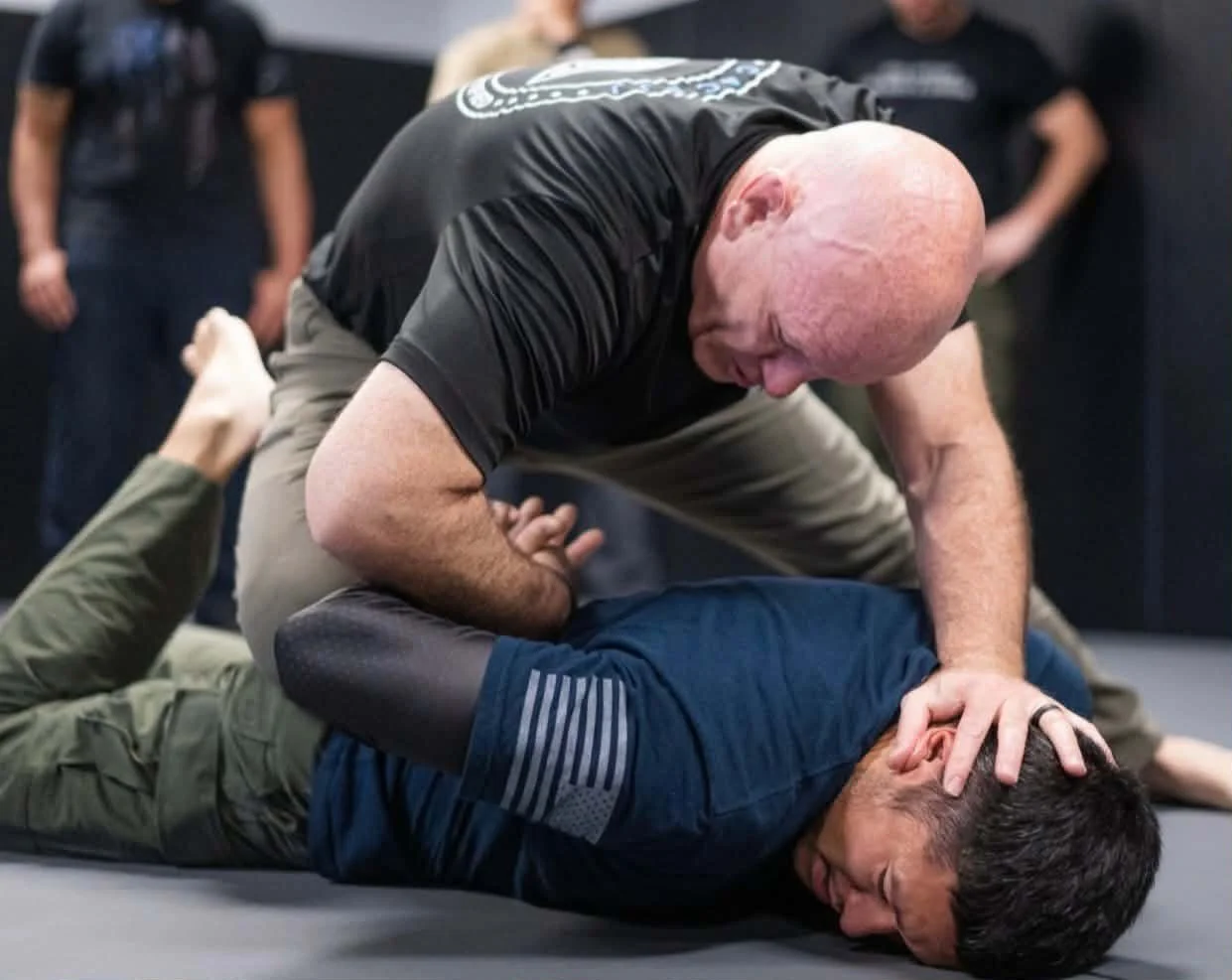
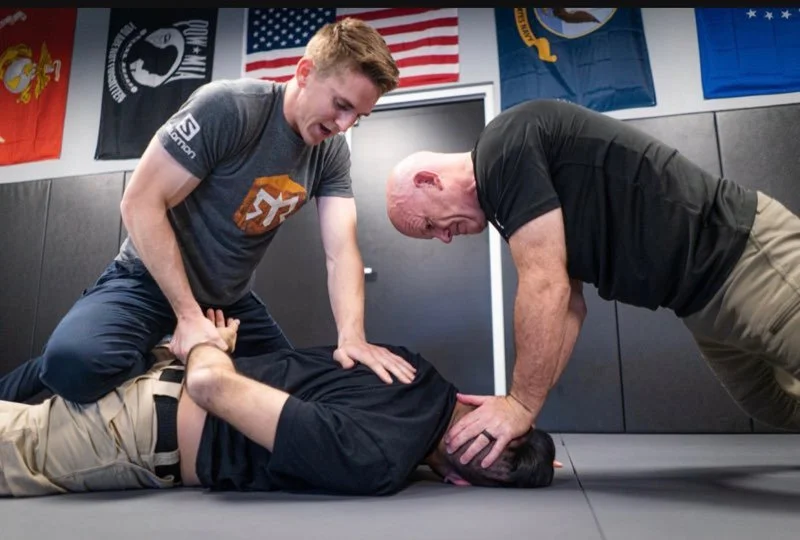
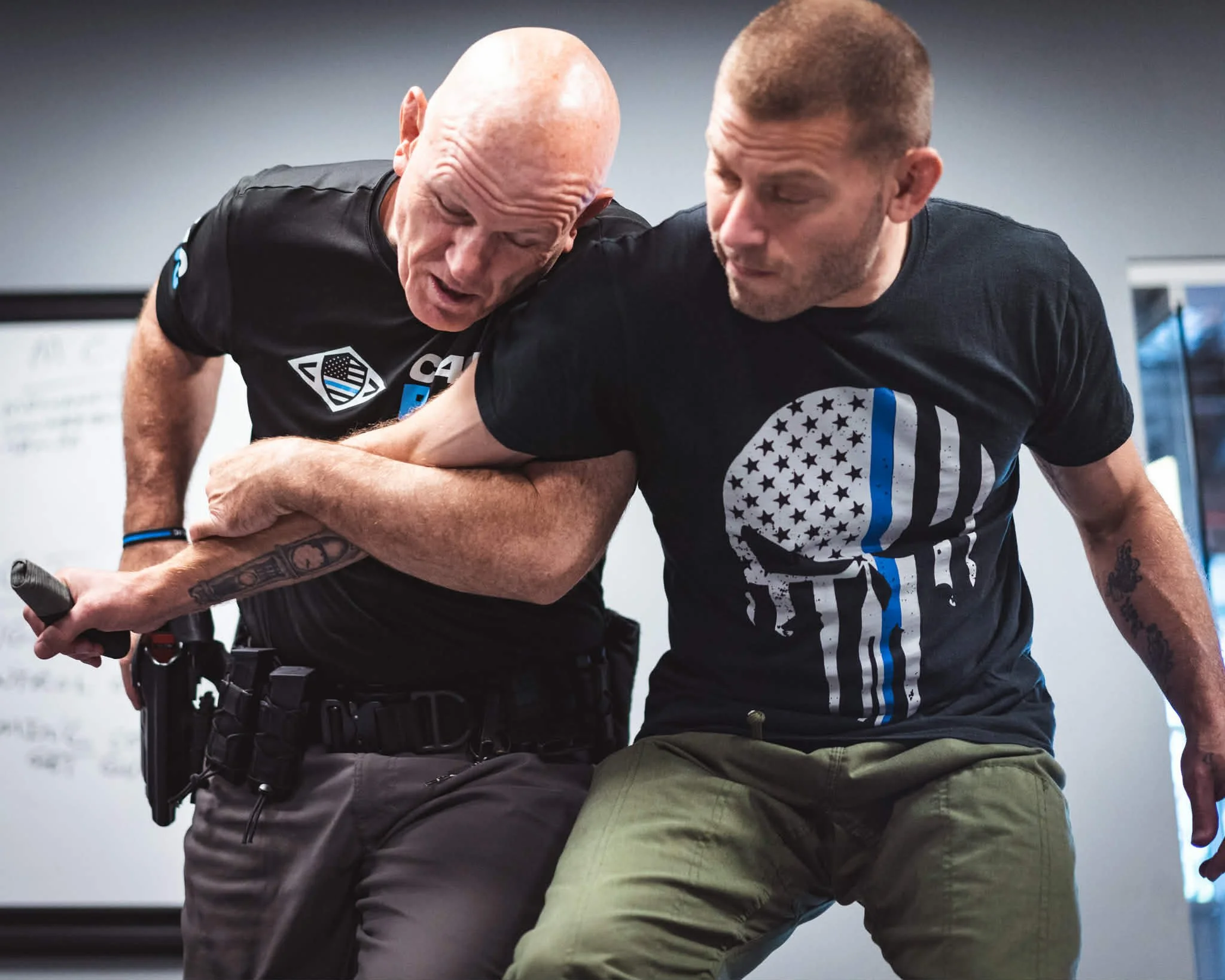
How Martial Arts Insurance Actually Works
Most martial arts school insurance policies are built specifically for combat sports and typically include:
General Liability (slip & fall, third-party injury)
Professional Liability (instruction-related claims)
Participant Liability (student injury during training)
Accident Medical Coverage (helps cover student injuries regardless of fault)
These policies are often written through specialized programs designed for high-contact activities like Brazilian Jiu-Jitsu, Boxing, Wrestling, and MMA. They’re built for risk—but not all risk.
Why Law Enforcement Training Is Typically Excluded
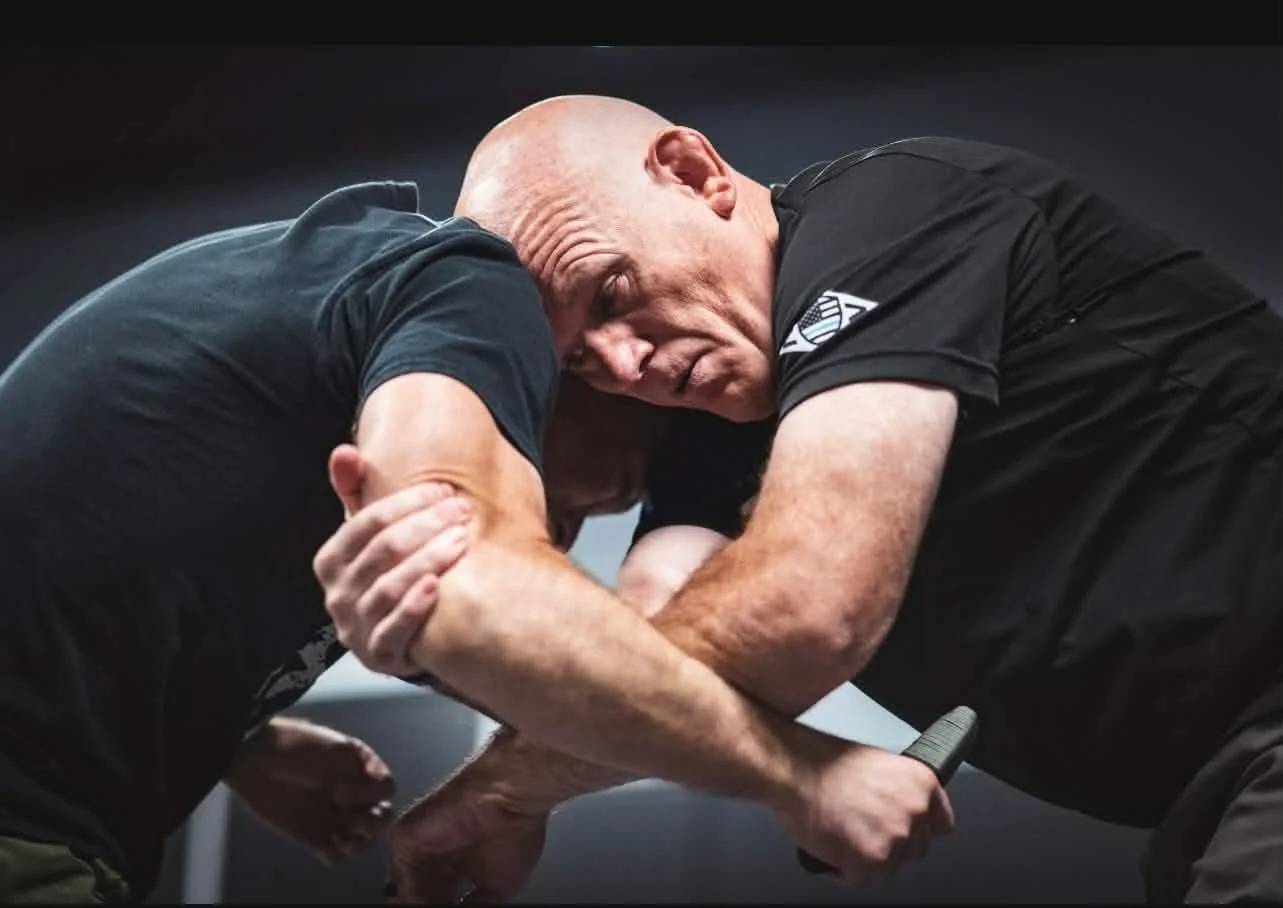
From an underwriting standpoint, law enforcement (LEO) training is not just “another class.” It’s a completely different exposure category.
Real-World Use-of-Force Application
Unlike regular students, law enforcement officers apply techniques in real-world situations. That creates a direct connection between your training and potential legal claims.
Higher Severity Claims
Injuries tied to use-of-force training can be more serious—and more litigated—than standard gym injuries.
Civil Rights & Liability Exposure
If an officer uses excessive force, attorneys may trace the claim back to the instructor, the training program, or even the facility.
Expanded Legal Risk
These cases can involve negligent training, improper instruction, or failure to prepare officers correctly.
Because of this, most carriers take a hard position: If your gym offers law enforcement training as part of its core operations, the policy is declined.

Most standard martial arts policies exclude LEO exposure entirely — but there's a proper structure that works.
The Common Mistake Gym Owners Make
Some gym owners try to “work around” this by simply checking “no” on the application—even if they do offer this type of training. That’s not a strategy. That’s a liability.
Misrepresentation can lead to:
Denied claims
Policy cancellation
Total loss of coverage when you need it most
The Correct Strategy: Separating the Risk
This is where proper structuring makes all the difference. At JiuJitsuInsurance.com, we’ve consistently built and executed a model that aligns with how underwriters actually evaluate risk.
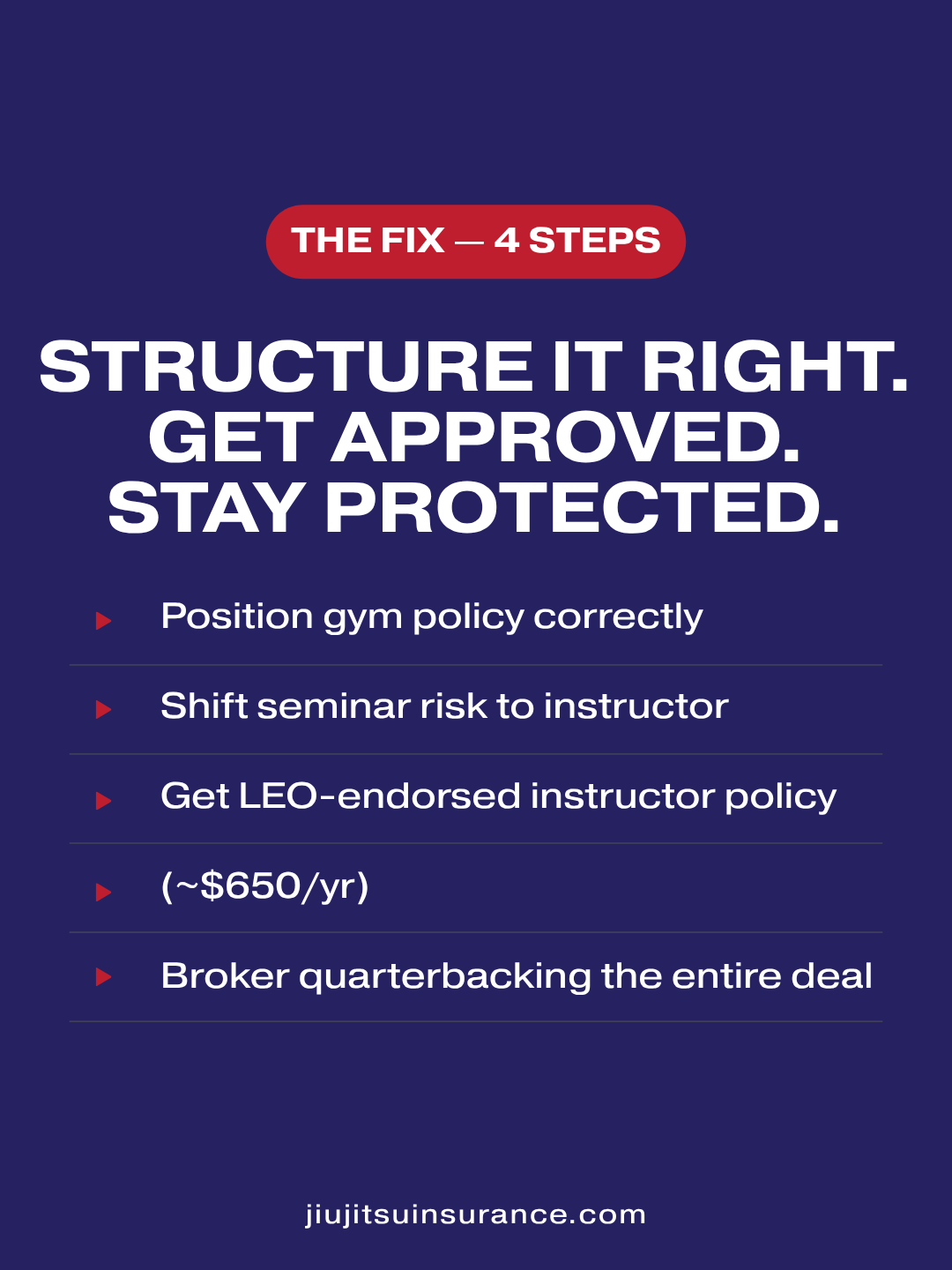
Step 1: Structure the Gym Policy Properly
We position your martial arts school policy correctly from the start and communicate clearly to the underwriter:
Your gym is not a law enforcement training facility
Your primary business is standard martial arts instruction
Coverage does not extend to law enforcement training exposure
Step 2: Allow Seminars—But Shift the Exposure
You can still host law enforcement seminars or defensive tactics training. But the risk must sit with the instructor or organization teaching it. That means:
They carry their own martial arts instructor insurance
Their policy includes law enforcement training coverage
They list your gym as Additional Insured
Step 3: Provide the Right Policy for Instructors
Most standard instructor policies won’t cover law enforcement training either. That’s why we offer:
Martial arts coach policies
With a law enforcement endorsement
Specifically designed for use-of-force and defensive tactics instruction
Typical cost: around $650 per year per coach or organization
Step 4: Quarterback the Entire Deal
At JiuJitsuInsurance.com, we quarterback the entire process:
We communicate directly with underwriters
We document that LEO exposure is excluded from the gym policy
We ensure instructors carry proper coverage
We align both policies so there are no gaps
Real-World Example
Let’s say your gym hosts a weekend defensive tactics seminar for a local police department.
If Structured Incorrectly:
Your gym policy absorbs the exposure
Carrier discovers LEO training
Policy could be canceled or claim denied
If Structured Correctly:
Instructor carries LEO-endorsed policy
Your gym is listed as Additional Insured
Your policy remains clean and compliant
Same seminar. Completely different risk outcome.










Frequently Asked Questions
-
Yes—but not under a standard gym liability policy. It must be structured with separately insured instructors.
-
Yes, if those seminars involve law enforcement or use-of-force training.
-
You risk denied claims, policy cancellation, and major liability exposure.
-
Waivers help—but they do not replace insurance, especially in high-risk categories like LEO training.
-
Yes. We can structure policies for both gym owners and instructors, including law enforcement endorsements when needed.
The Bottom Line
You don’t have to choose between getting insured or offering high-level training opportunities. You just need to structure it correctly.
If your gym is not primarily a law enforcement training facility—but you want the flexibility to host those seminars—there is a right way to do it. And when done properly, you can:
Get approved
Stay compliant
Protect your business
Expand your offerings safely
Need Help Setting This Up?
If you run a martial arts academy and want help with:
Martial arts insurance
BJJ gym insurance
Instructor coverage
Law enforcement training exposure
Or fixing a declined policy
We can build the structure the right way from the start. Because in this industry, it’s not just about having insurance—it’s about having it set up correctly


Protecting Yourself and Your Gym: Key Insights from Chris Martin on the 800-Help-BJJ Podcast
JiuJitsuInsurance.com founder Chris Martin discusses BJJ risks and protection on the 800-Help-BJJ podcast.
Highlights:
Personal 2017 stroke from carotid dissection in training—common from chokes/torque; watch for blurry vision, headaches, vertigo.
Accident injury insurance ($25–$35/mo): No martial arts exclusions, 24/7 cash payouts for covered injuries, fills deductible gaps, simple claims.
Gyms: Waivers don’t stop negligence suits (rising post-Del Mar $70M case); need proper liability + strong onboarding/risk management.
At JiuJitsuInsurance.com, we're passionate about helping the Jiu Jitsu community train smarter, safer, and longer. Recently, our founder Chris Martin joined Josh on the 800-BJJ-HELP podcast for an in-depth conversation about the realities of injuries in our sport, the gaps in traditional insurance, and practical ways to manage risks—for athletes and gym owners alike.

Chris Martin and JiuJitsuInsurance.com partnership with Fuji BJJ in 2026 at the EXPO in Kansas City.
If you're a grappler who's ever rolled with a high-deductible health plan (or no insurance at all), a gym owner dealing with liability concerns, or anyone curious about why "it's not if, but when" injuries happen in BJJ, this episode is a must-listen.
Chris Martin's Journey: From Stroke Survivor to Jiu Jitsu Insurance Advocate
Chris shared his personal story of a life-changing injury in 2017: a carotid artery dissection leading to an ischemic stroke during a north-south choke. What started as years of aggressive training and not tapping soon enough built up damage, culminating in partial paralysis and a long recovery. This wasn't a one-off; Chris has documented hundreds of similar cases in BJJ, including strokes, dissections, and long-term disabilities.
The key takeaway? BJJ's neck compression and torque (from chokes, lapel work, triangles, bow-and-arrows) can cause vertebral or carotid issues—often misdiagnosed as vertigo or dehydration by unaware medical pros. Chris emphasized awareness: watch for blurry vision, severe headaches, or unusual neurological signs, and seek prompt treatment (like CTA /w contrast scans) to prevent worse outcomes.
This experience shifted his focus from gym ownership to education and protection, leading to JiuJitsuInsurance.com.
Accident Injury Insurance: A No-Brainer for Grapplers
A core topic was supplemental accident injury insurance—cash payouts directly to you for injuries, no network restrictions, and no exclusions for martial arts like BJJ.
Why it matters: Many have employer health plans with high deductibles ($1,000s out-of-pocket) or none at all, especially competitors. These plans fill the "donut hole" with first-dollar coverage.
How it works: ~$25–$35/month premium for 24/7 coverage (on/off mats, not just BJJ). Payouts for fractures, MRIs , office visits , surgeries, PT, and more. Some clients pocket extra cash after bills (e.g., one client got $7,500 paid dorectly to him vs. his $2,000 deductible).
Even better with existing coverage: VA users or those with major medical often profit, as payouts come regardless. Includes built-in accidental death benefit for family protection.
Process: Treat anywhere, submit bills + simple claim form → check in 1–3 weeks, often before the bill arrives.
Chris stressed it's not just for BJJ—family members (e.g., kids in volleyball) claim more sometimes. It's affordable peace of mind: "We spend more on breakfast."
Disclaimer: Coverage details, payouts, and limitations vary by program. Always review your policy certificate and benefit statements for exact details.

Flyer for insurance programs that cover injuries on or off the jiujitsu mats.
Gym Owners: Beyond the "Rock-Solid" Waiver
Chris covered commercial liability for gyms (now serving 500+ nationwide). Waivers help but don't prevent lawsuits—negligence claims (e.g., Del Mar case, $70M settlement paid by insurance) often succeed if onboarding skips key steps.
Common mistakes:
Not having students initial assumption-of-risk sections (not just sign at bottom).
Allowing drop-ins without immediate waivers.
No risk management: poor student assessment before techniques, no incident reporting, or inadequate procedures.
Recommendations:
Heighten assumption-of-risk onboarding: Explain dangers (paralysis, breaks), discuss insurance gaps, offer accident injury brochures.
Include accident medical coverage in gym policies to help injured students (reducing lawsuit risk).
Proper liability defends you in court and covers settlements.
With BJJ's growth, lawsuits are rising—good insurance + procedures mitigate that.

JiuJitsuInsurance.com sign and banner at a fuji event.
Why This Matters for the Community
Nobody likes thinking about worst-case scenarios, but ignorance increases danger. Chris's mission: Educate so you train informed—tap when needed, get treated early, protect finances. Jiu Jitsu is life-changing; let's keep it sustainable.
Listen to the full episode here: 800-Help-BJJ Podcast – Chris Martin Interview(search your podcast platforms like Spotify/Apple for "800-Help-BJJ Chris Martin").
Ready to explore coverage?
Athletes: Get a quick quote for accident injury insurance → JiuJitsuInsurance.com Athlete Plans
Gyms: Secure commercial liability → Contact Us or submit via our form.
Train hard, train safe—because Jiu Jitsu is painful enough already. Your medical bills don't have to be.
Questions? Reach out—Chris is always accessible to the community. Oss!


Posted by the JiuJitsuInsurance.com Team

Jiu-jitsu Accident Insurance: Protect Athletes & Gym Owners
Learn how Jiu-jitsu athletes and gym owners can prevent financial stress from injuries with affordable accident insurance, real-life success stories, and risk management tips.

Why Jiu-jitsu Athletes Need Accident Insurance
Jiu-jitsu is one of the most physically demanding martial arts, and injuries are part of the sport. Many grapplers don’t have health insurance, and even those who do often have high-deductible plans that make seeking medical care intimidating.
I’ve seen firsthand how accidents on the mat—ranging from sprains and cuts to fractures and nerve injuries—can affect athletes. Accident and injury insurance ensures that medical bills don’t derail training, finances, or health.
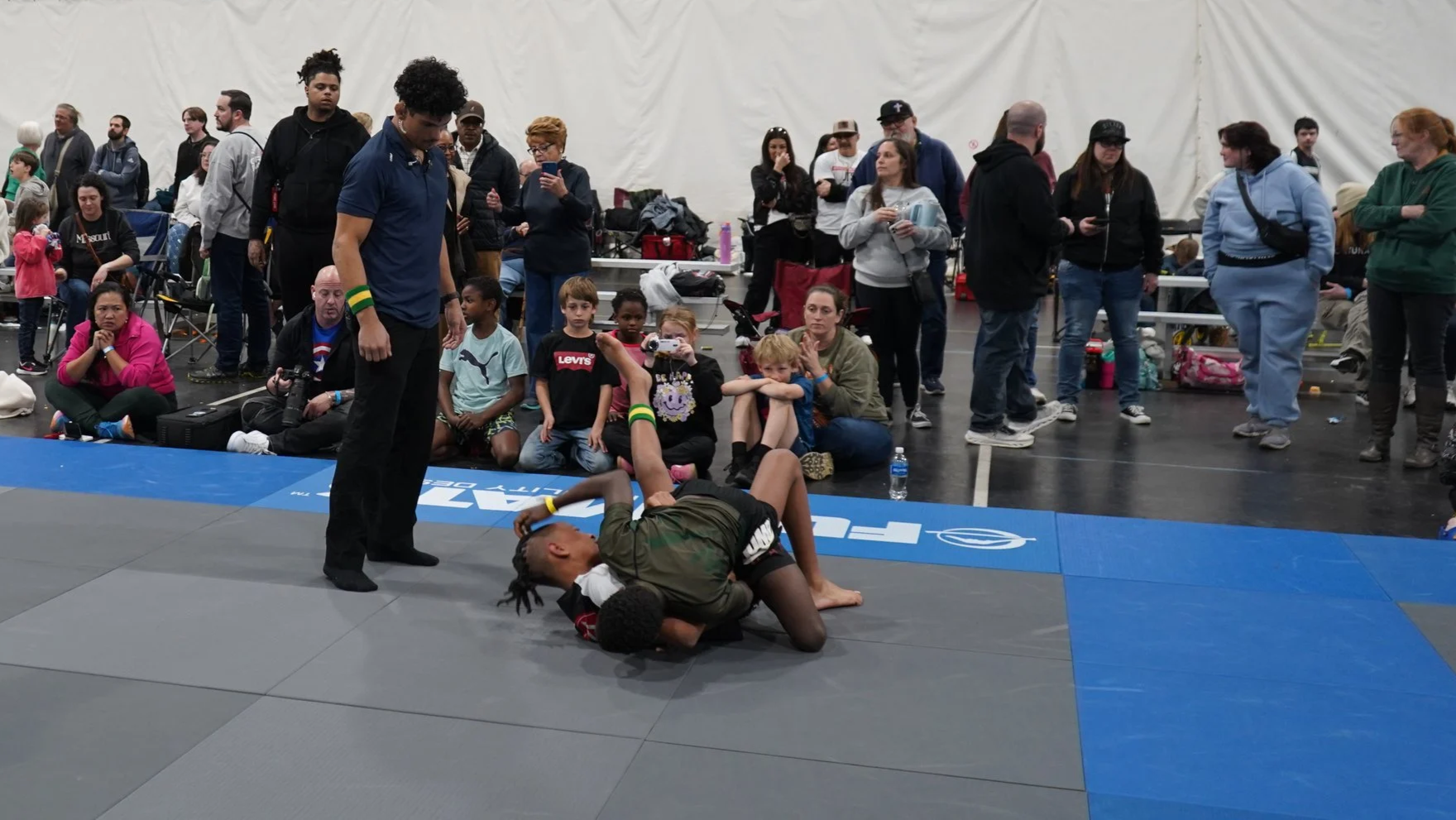
A jiu jitsu match at a local Fuji BJJ event.
The Risks for Grapplers Without Insurance
Many athletes either don’t have health insurance or have plans with high deductibles, which discourages them from seeking care for injuries. Without proper coverage, injuries can be ignored, leading to long-term damage or permanent setbacks.
Gym owners also face potential liability when members are uninsured or underinsured. Providing or encouraging accident insurance is one of the first steps toward responsible risk management in any martial arts gym.
How Accident & Injury Insurance Works
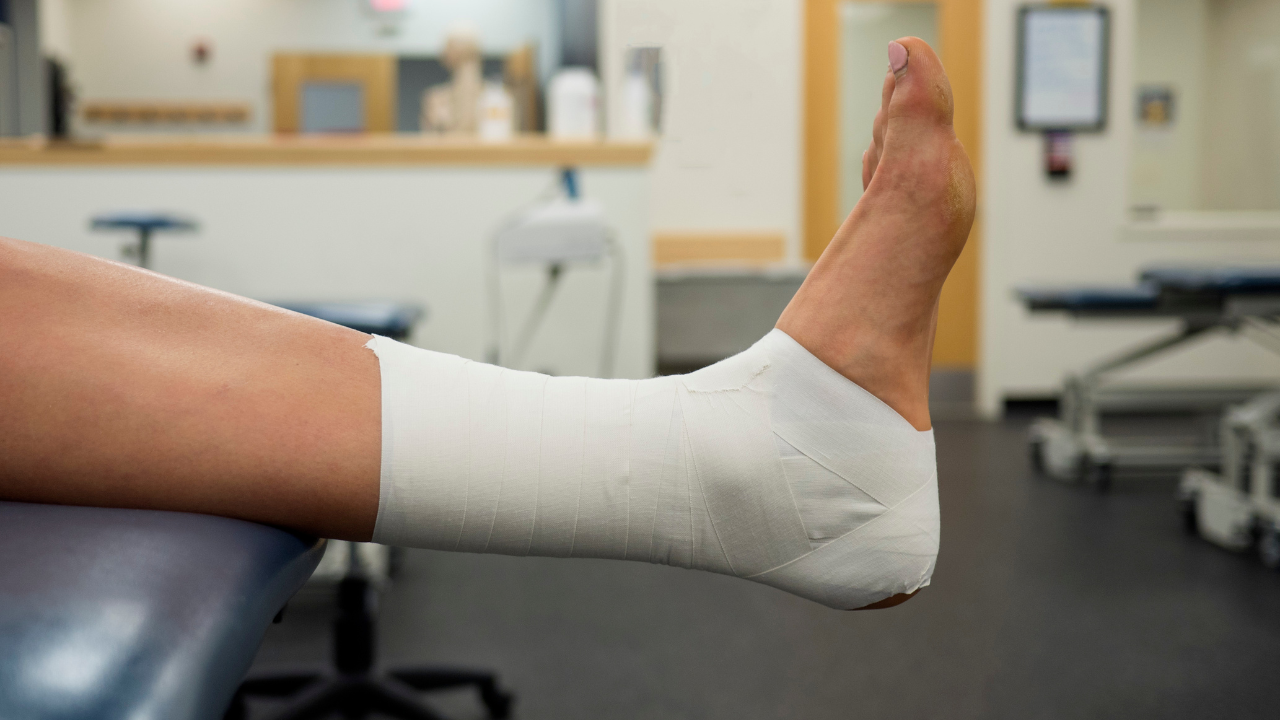
Accident insurance covers medical expenses from unexpected injuries, both on and off the mat. These types of fixed-benefit, indemnity-style programs have actually been around for decades — companies like Aflac built their entire model on paying cash benefits directly to policyholders when covered accidents or illnesses occur. Unlike traditional major medical insurance that pays doctors and hospitals directly, indemnity plans typically pay set dollar amounts to you when specific events happen — such as an ER visit, ambulance ride, surgery, X-rays, or hospitalization.
The challenge is that many people in the martial arts community simply aren’t educated on how these programs work. Because the premiums are often affordable and the coverage can apply 24/7 — not just during training, but from any new covered accident on or off the mats — athletes sometimes assume it sounds “too good to be true.” In reality, these plans are not a replacement for comprehensive health insurance, but a supplement designed to offset deductibles, copays, lost income, and out-of-pocket costs. When understood properly, they can be a powerful financial safety net — especially for self-employed athletes, gym owners, independent contractors, or anyone carrying a high-deductible health plan.
Here’s how it works:
Affordable coverage under $30/month
Freedom to seek treatment anywhere
Direct payout to the athlete, often exceeding standard insurance reimbursements
Real-Life Examples:
One member received $250 for a physician visit with only a $10 copay.
Another member received $7,000 for surgery, despite already having a high-deductible health plan.
“It’s one of the best investments I’ve ever made,” says a satisfied policyholder.
Disclaimer: Coverage details, payouts, and limitations vary by program. Always review your policy certificate and benefit statements for exact details.

Risk Management Tips for Gym Owners
Gym owners play a crucial role in athlete safety and liability reduction. In high-contact sports like Brazilian Jiu-Jitsu, where injuries are an inherent risk, proactive risk management planning is essential. During the onboarding process, gym owners should clearly communicate the physical risks involved and the potential financial consequences of injuries, including high out-of-pocket costs, deductibles, or the absence of medical insurance coverage. Educating athletes about these realities fosters transparency and shared responsibility. Additionally, gyms can strengthen their risk management strategy by informing members about available options—such as injury insurance programs or supplemental coverage—that help mitigate financial exposure. Taking time to address these issues upfront not only protects athletes but also demonstrates professionalism and due diligence on the part of the gym.
Here’s what we recommend:
Educate athletes on injury risks and safety protocols
Encourage or provide accident insurance for all members
Understand waiver limitations—they don’t fully protect your gym from lawsuits
“Jiu-jitsu is dangerous. Injuries will happen. Insurance ensures athletes and gyms are financially protected.”
Fuji Sponsorship Program for Athletes
Beyond insurance, we sponsor athletes to participate in Fuji Jiu-jitsu tournaments. The program offers:
Exposure for rising athletes
Tournament experience in a safe, organized environment
Representation for the insurance program within the Jiu-jitsu community
Athletes like Jigen Nagata showcase how sponsorship programs support competitors and spread awareness about insurance benefits.

Chris Martin and Jigen Nagata at the Fuji BJJ expo January 2026.
Conclusion: Protect Your Health & Your Gym
Accidents are inevitable in martial arts, but financial stress doesn’t have to be. Whether someone trains in Brazilian Jiu-Jitsu, MMA, boxing, or any other combat sport, the reality is that injuries can happen — and not just on the mats. That’s why these programs protect grapplers 24 hours a day, not only during training, competitions, or open mats, but from any new covered accident on or off the mats. If a student slips at work, gets hurt in a car accident, or suffers an injury outside the academy, coverage can still apply. This makes it an especially strong solution for athletes who don’t currently have health insurance, are between jobs, are self-employed, or who carry high-deductible major medical plans and don’t want a single ER visit to turn into a financial setback. The goal is simple: let athletes focus on recovery and getting back to training — not worrying about how they’re going to pay the bill. Jiu-jitsu accident insurance is an affordable way to:
Protect athletes from unexpected medical bills
Mitigate liability for gym owners
Ensure injuries don’t derail training or finances
“We are promoting this program for the pure good of grapplers—so they can train with peace of mind.”
WATCH the Podcast Episode
For more insights on Jiu-jitsu insurance, risk management, and sponsorship programs, watch the full podcast episode where I explain how the program works and share real-life examples from athletes and gyms.
Podcast guesting at I Suck At Jiu-Jitsu Show with Josh McKinney

From Mat to Courtroom: A Wake-Up Call for BJJ Coaches.
This article explores the importance of coach supervision and risk management in Brazilian Jiu-Jitsu, using a real-world lawsuits—Ray Perada Vs Atos—as cautionary examples. It emphasizes that waivers don’t protect against negligence and highlights best practices for injury prevention, student safety, and legal protection. A must-read for BJJ coaches, gym owners, and instructors looking to create a safer, more sustainable training environment.

A coach at M5 Jiu Jitsu does a good job supervising the training in the gym.
In Brazilian Jiu-Jitsu, injuries are part of the game—but when negligence is involved, serious harm can lead to lawsuits. And no waiver will fully protect your gym if you're not actively keeping students safe.
On August 15, 2017, Ray Perada was attending his tenth training session at a Jiu Jitsu gym in Long Beach. During a sparring round with a more experienced purple belt, he was caught in a chokehold. Before he could tap, the buzzer ended the match. Afterward, Ray showed clear signs of distress—he was out of breath, limping, and confused. No coach intervened. No medical attention was offered. This lawsuit highlights how critical proper supervision is during training. When early warning signs are missed or ignored, the consequences aren’t just physical—they can be legal and financial, too.
What Coaches Can Learn From This
While the court eventually dismissed claims against some of the parties, the case made one thing clear: coaches and gym owners have a duty of care to their students. You cannot hide behind a waiver while scrolling your phone during sparring sessions. You cannot leave pairings entirely up to the students and assume things will be fine.
You are the authority in the room—and with that comes responsibility.
Ways This Incident Could Have Been Prevented
Active Supervision During Sparring:
Live rounds aren’t a break for instructors. Coaches must stay engaged, alert, and mobile during sparring, watching for signs of distress or dangerous mismatches in pace, weight, or experience.Smarter Pairing Protocols:
Newer students should be paired thoughtfully—not just based on belt rank, but also on intensity levels and rolling habits. Coaches who know their students can avoid risky pairings.Education on Injury Symptoms:
All coaches should be trained to recognize the early signs of a concussion, oxygen deprivation, or neurological issues. Confusion, imbalance, or sudden fatigue are red flags—not just signs of being “tired.”Immediate Post-Round Check-Ins:
A 30-second check-in after each round, especially when a student looks shaken, can help catch problems before they escalate. “You good?” isn’t enough—ask questions and observe.Clear Injury Protocols:
Have a system in place. If someone shows signs of injury, stop the session, assess the student, and involve medical professionals if needed. Document it. Protect your people—and yourself.
We stopped by our client Gabriel Sousa’s gym in Apex, North Carolina to check out one of their classes—and we were impressed. The coaches did an excellent job managing the rolls and supervising sparring, which is a great example of effective risk management in a Jiu-Jitsu gym. Check out the video below to see how this academy prioritizes safety while maintaining high-level training:
Waivers Don’t Cover Negligence
Too many coaches rely on liability waivers as a false sense of security. While waivers are helpful, they do not protect you if you're found to be negligent—especially in a scenario where a student is clearly showing signs of injury and nothing is done.
If your student ends up hospitalized—or worse—and there’s video or testimony showing you were on your phone or failing to monitor the mats, you can be held accountable.

Jiu Jitsu waivers don’t get you “off the hook”, but everyone should have waivers.
The Bigger Picture: Culture Starts at the Top
Creating a culture of safety doesn’t make your gym “soft”—it makes it strong, sustainable, and professional.
The top black belts in the world understand that real leadership isn’t just about technical skill—it’s about protecting your students, guiding their growth, and minimizing unnecessary risks. Your responsibility as a coach doesn’t stop when sparring begins. Now is the time to take a hard look at your gym’s risk management plan, make any needed updates, and ensure your safety policies are clearly communicated to your coaches, staff, and students on a regular basis.
We stopped by Misfits Jiu Jitsu in St. Charles, Illinois to talk with Coach Brad about how he approaches risk management in his academy. Check out the video below to hear his strategies in action:
Final Thoughts
Ray Perada’s story is a serious wake-up call for the Jiu Jitsu community. Regardless of how you feel about the legal outcome, the facts are clear: a newer student showed signs of injury, and no one stepped in soon enough. Could it have been prevented with proper supervision or sideline coaching? Possibly—but by then, it was too late.
Now more than ever, Jiu Jitsu coaches need to take safety seriously—not just on the mats, but behind the scenes. This means creating a clear safety plan, supervising with intention, and being proactive about risk management.
It also means protecting yourself. If you’re teaching at a gym, ask for a copy of their liability insurance and make sure you’re actually covered by name. If you’re not sure—or if you’re teaching independently—you should have your own coach liability policy in place. We can help you get covered for less than $500 a year.
If you need guidance, templates, or a quote, don’t hesitate to reach out. Your students—and your career—are counting on you.

Protect yourself on and off the mats. Get affordable personal injury coverage for Jiu-Jitsu athletes starting at only $30/month from JiuJitsuInsurance.com

Del Mar Jiu-Jitsu Injury Case Concludes with $56M Payout: What It Means for our Industry.
The landmark $46 million verdict for Jack Greener, paralyzed during a training session at Del Mar Jiu-Jitsu, is now final with post-judgment interest pushing the total beyond $56 million. This case underscores the critical need for martial arts gyms and instructors to prioritize safety, review liability coverage, and implement robust risk management. Industry experts and legal analysts weigh in on how this ruling is reshaping liability standards and insurance requirements for combat sports. Read more about the implications for gym owners and instructors.

Chris Martin interviews Michael Phelps at Del Mar Jiu Jitsu club September 2024.
In November 2018, Jack Greener, a 23-year-old Brazilian jiu-jitsu student, sustained a catastrophic spinal cord injury during a class at Del Mar Jiu-Jitsu Club in California. Instructor Francisco Iturralde performed a maneuver that placed his full body weight onto Greener’s neck, resulting in crushed cervical vertebrae and temporary quadriplegia. Greener, who was weeks away from graduating college and beginning a career as a surf instructor, spent months hospitalized and suffered multiple strokes during his recovery.
In 2023, a San Diego jury awarded Greener over $46 million in damages. In May 2025, the California Supreme Court declined to review the case, finalizing the jury’s decision. With post-judgment interest included, the total compensation now exceeds $56 million.
The jury found that the instructor’s actions went beyond the assumed risks associated with jiu-jitsu training and constituted gross negligence. Legal professionals noted that while martial arts carry an inherent level of risk, instructors and gyms may face liability when those risks are significantly elevated by conduct outside normal practice.
Attorney Gabe D’Antonio, a Brazilian jiu-jitsu black belt wrote an analysis of the case detailing its implications for martial arts liability. He emphasized that participant safety must be proactively addressed and that gym owners should not assume traditional waivers or general liability coverage will fully protect them.
D’Antonio noted several areas of exposure:
Insurance Coverage Gaps: Many martial arts facilities maintain general liability policies that exclude participant injury claims—the exact type of incident at the center of the Greener case.
Risk Management Oversight: Instructors should follow structured safety protocols, regardless of rank or competition background.
Legal Accountability for Conduct: Courts are drawing a clearer line between assumed risk and negligent conduct, especially when techniques cause severe injury.
Chris Martin, CEO of JiuJitsuInsurance.com, has been closely following this and other legal actions involving injury claims in martial arts. Martin has conducted interviews with legal experts, gym owners, and others involved in recent lawsuits, including the Atos v. Perada case and other injury claims currently unfolding in California. This documentation is being released as part of a broader content series focused on emerging liability risks in the combat sports industry.
The Greener verdict is now one of the most significant legal judgments in martial arts injury litigation. According to legal observers and insurance providers, the ruling reflects a broader shift in how the courts evaluate instructor responsibility and gym owner liability in high-contact training environments.
Further industry analysis, insurance options, and case commentary are available through JiuJitsuInsurance.com and its affiliated blog.
Legal Precedent and Key Takeaways
According to legal experts, the affirmation of this verdict sends a clear message: instructors and martial arts facilities can be held liable when their actions go beyond what is reasonably expected in training.
What Gym Owners Need to Do Right Now
The team at JiuJitsuInsurance.com has published a detailed breakdown of what this verdict means for the martial arts community. The article highlights three critical actions for gym owners:
Enforce Standards — Regardless of Rank:
No one is exempt from basic safety and conduct standards. Even black belts must be held accountable to rules that prioritize student safety.Communicate Risks Clearly to Participants:
While BJJ and other martial arts involve contact and risk, gym owners must ensure those risks are disclosed in writing and acknowledged via signed waivers and clear instruction.Review Your Insurance Policies — Today:
Many gyms assume they’re covered, but often, standard general liability insurance excludes participant injuries— the exact kind of claim involved in this case. Gym owners are urged to consult with specialists to review their coverage and consider adding supplemental accident insurance, especially given the rise in litigation.
The Bigger Picture: This Will Not Be the Last Lawsuit
"This isn’t a one-off case," says Chris Martin, CEO of JiuJitsuInsurance.com. “We’ve already seen an uptick in lawsuits across California and other states. As more gyms open and more students join, these risks — and the financial consequences — only grow.”

Chris Martin after training Jiu Jitsu at Del Mar Jiu Jitsu club September 2024.
Martin emphasizes that instructors must understand the weight of their actions on the mat. “The line between a competitive roll and an unsafe one isn’t always clear — but courts are showing less tolerance for ambiguity when someone gets hurt.”
A Call to Action for the BJJ and Martial Arts Community
The Del Mar verdict is a harsh reminder that passion, tradition, and martial values are not legal defenses. The martial arts community is being called to evolve: not just in skill and technique, but in accountability, professionalism, and business practices.

Chris Martin leaving Del Mar Jiu Jitsu after interviewing the owner of the gym.
For gym owners, this means upgrading insurance, training staff, enforcing safety standards, and protecting their students — and their livelihoods.
For students, it’s a reminder to advocate for safe training, understand their rights, and ensure they’re covered in the event of injury.
If you operate a gym or train regularly, now is the time to review your insurance and risk policies. Learn more or request a free coverage review at JiuJitsuInsurance.com.
References
“Paralyzed Man Awarded $46M After Injury During Brazilian Jiu-Jitsu Lesson in Del Mar,” NBC San Diego, May 2025. Link
“$46M Verdict Cemented for Young Man Paralyzed During Del Mar Jiu-Jitsu Lesson,” Times of San Diego, June 2, 2025. Link
D’Antonio, Gabe. “The Del Mar Jiu-Jitsu Case: Implications for Martial Arts Liability and Insurance,” JiuJitsuInsurance.com, May 2025. Link
“Jiu-Jitsu Student Wins Huge Sum After Being Paralyzed During Lesson in California,” Daily Mail, June 2025. Link
“The Incident Unveiled: McDojo Breakdown Exposes $46 Million Lawsuit and Challenges Jiu-Jitsu Gym Owners to Prioritize Safety,” JiuJitsuInsurance.com, June 2025. Link
“Revamping Safety: Brazilian Jiu-Jitsu's New Era of Risk Management,” JiuJitsuInsurance.com, June 2025. Link
Protect yourself on and off the mats. Get affordable personal injury coverage for Jiu-Jitsu athletes starting at only $30/month from JiuJitsuInsurance.com.

5 Risk Management Lessons from A Misfit.
During our visit with Coach Brad at Misfits Jiu Jitsu in St. Charles, IL, we explored five key risk management strategies every BJJ gym owner should consider. From building a safety-first culture to having the right insurance in place, these tips can help protect your gym, your students, and your peace of mind.

How Brad Edmonson (owner Misfits Jiu Jitsu) Creates a Safer Culture on the Mats:
At JiuJitsuInsurance.com, we’re always on the lookout for gym owners who are doing things right—especially when it comes to safety and risk management. That’s why we stopped by Misfits Jiu Jitsu in St. Charles, Illinois to sit down with owner and instructor Brad, who shared some incredibly thoughtful strategies that every gym owner should consider.
We talked about injuries, mat culture, submissions, and more—and Brad didn’t hold back.
Here’s a breakdown of the 5 essential risk management strategies he shared during our conversation:
🥋 1. Always Be in Control of Body Weight
One of Brad’s core principles is simple: no uncontrolled falls.
“There should be no point where you’re not in control of falling body weight.”
This philosophy guides how takedowns and throws are taught at Misfits. Brad referenced a guideline from John Danaher black belt Placido Santos that’s stuck with him:
“You can drop to a knee—but you can't fall to a hip.”
This rule keeps students from committing to techniques that could result in dangerous, uncontrolled impact. It’s especially important for beginners, who are more likely to fall awkwardly or land incorrectly.
📚 2. Teach What’s Off-Limits
It’s not enough to simply ban dangerous moves—you have to teach students what’s not allowed and explain why.
Brad emphasized that if you're going to restrict techniques like guard pulls or high-amplitude throws, you should actively train students on safe alternatives from day one. He recommends teaching broad concepts (e.g., “always maintain control of your weight”) rather than just listing banned moves. This helps students internalize the why, not just the what.
⚠️ 3. Redefine How You Teach Submissions

Brad shows Alexandra what he shows his new jiu jitsu students.
Submissions are a major source of injury—especially when new students apply them without full understanding.
“Beginners aren’t in control of their bodies yet. Submissions should be taught in stages.”
Brad breaks submissions into control mechanics and finishing mechanics, and emphasizes positional understanding before pressure. By delaying full-force application and teaching students to recognize tension in limbs, he's seen a noticeable drop in injury rates.
🤝 4. Culture > Paper Rules
You can have the best safety rules in the world printed on a waiver—but if they’re not reinforced on the mats, they won’t matter.
“If you don’t call out dangerous behavior, your culture shifts—and not in a good way.”
At Misfits, culture is reinforced every day. That means conversations on the mat, correcting poor judgment in real time, and making sure everyone from white belt to black belt knows that safety is a shared responsibility.
At Misfits Jiu Jitsu, Coach Brad emphasizes the importance of easing beginners into the training process, creating an environment where live rolling isn’t intimidating, but instead fun, supportive, and educational. "Live training shouldn't be this big, scary thing," he says. At Misfits, the focus is on building a culture where teammates help each other, offer tips, and have fun while improving — not just overwhelming new students with intensity.
He uses a simple but powerful analogy: "If I were teaching you to play baseball, you’d start with tee-ball, not facing fastballs right away." Too many gyms throw beginners into full resistance sparring before they’ve had a chance to properly learn. At Misfits, Coach Brad ensures white belts get the repetitions they need, with guidance and encouragement.
“I always joke that I’m trying to train all my students to kill me,” Coach Brad laughs. “Them getting better forces me to get better.”
👊 5. Rethink the Role of the “Mat Enforcer”
This one may ruffle some feathers: Brad addressed the tradition of the “mat enforcer”—the tough senior student who gets sent in to “handle” reckless or overly aggressive newcomers.
But his take is different.
“A mat enforcer’s job isn’t to crush someone—it’s to show what relaxed, effective control looks like.”
At Misfits, enforcers are expected to set an example, not send a message. They diffuse intensity with technique, flow, and composure—not ego. The real win? When tough rounds end with a laugh and a “Nice move!” That builds camaraderie and trust, not intimidation.


Final Thoughts
Our visit with Brad was a reminder that risk management isn’t just policies and waivers—it’s leadership, culture, and consistency. The best gym owners are those who think beyond the insurance forms and cultivate safer spaces every day, on every roll.
Thanks to Brad and the team at Misfits Jiu Jitsu for having us—we left with some powerful lessons we’ll be sharing with the broader martial arts community.
Need help protecting your gym?
Visit JiuJitsuInsurance.com to get coverage tailored for martial arts schools, instructors, and competitors.
#BJJ #MartialArtsInsurance #MisfitsJiuJitsu #GymOwnerTips #RiskManagement #SafeTraining
Protect yourself on and off the mats. Get affordable personal injury coverage for Jiu-Jitsu athletes starting at only $30/month from JiuJitsuInsurance.com.

Why Jiu-Jitsu Schools Should Partner with Charter Schools
Looking for a way to grow your Jiu-Jitsu gym and make a positive impact on your community? Partnering with local charter schools might be the opportunity you’ve been waiting for. With a growing trend of schools funding extracurricular activities like martial arts, gyms that prepare properly can tap into this demand and gain new students. Here’s what you need to know about this exciting opportunity—and the essential insurance requirements to get started.

Charter Schools are offering money to martial arts schools to teach their students.



Charter schools are known for their flexibility in programming and their focus on student well-being. These schools often seek to enhance their educational offerings by incorporating activities that go beyond the traditional classroom experience. Martial arts programs, like Jiu-Jitsu, can help foster the personal growth of students, teaching valuable lessons in discipline, physical fitness, and conflict resolution. As a result, many charter schools are actively looking for local martial arts academies to send their students to for specialized training.
In states like California, where this trend is particularly strong, charter schools are using funding to partner with local martial arts academies. Gym owners nationwide should prepare for similar opportunities, as more schools begin seeking programs that enhance their students' overall well-being. However, positioning your gym as a preferred provider requires more than just offering great instruction.
Insurance Considerations for Charter School Partnerships
One critical factor for partnering with charter schools is meeting their insurance requirements. Schools typically require service providers to list the charter school as an Additional Insured on the gym’s liability insurance policy. This ensures the school is protected in case of incidents that occur during student training.
However, adding a school as an Additional Insured is not as simple as writing their name on the Certificate of Insurance (COI). Many insurance policies require a specific endorsement called an Additional Insured Endorsement (AIE), which may involve notifying the insurance company or paying additional premiums. Some policies include blanket endorsements that automatically cover such arrangements, but gym owners must confirm that all documentation is complete and accurate.
Preparing Your Gym for Success
To ensure compliance, work closely with your insurance agent to understand your policy's terms and secure the appropriate endorsements. Proper planning not only protects your gym but also makes it an attractive partner for charter schools.
With the growing popularity of these partnerships, now is the time to act. Reach out to local charter schools, showcase your program's benefits, and consult your insurance professional to ensure you're ready to take advantage of this expanding market.

Running a successful Jiu-Jitsu gym isn’t just about teaching techniques and building a community—it’s also about protecting your business and your members. From commercial liability to accident coverage, having the right insurance programs in place is essential for safeguarding your gym against unexpected risks. In this next post, we’ll explore the must-have insurance policies every Jiu-Jitsu gym owner should consider. Click here to learn more and ensure your gym is properly protected.

Protect yourself on and off the mats. Get affordable personal injury coverage for Jiu-Jitsu athletes starting at only $30/month from JiuJitsuInsurance.com.

McDojo Breakdown: $46M Lawsuit Warns Jiu Jitsu Gym Owners.
In April 2023, the McDojo Breakdown YouTube channel posted a video entitled “The Incident”, which examines the $46 million dollar lawsuit resulting from a tragic 2018 accident at Del Mar Jiu-Jitsu Club in which a student was paralyzed. In addition to a more thorough explanation of the case, McDojo Breakdown cites two key definitions, and issues a challenge to jiu jitsu gym owners and we provide some suggestions based around safety for Jiu Jitsu gym owners moving forward.
In April 2023, the McDojo Breakdown YouTube channel posted a video entitled “The Incident”, which examines the $46 million dollar lawsuit resulting from a tragic 2018 accident at Del Mar Jiu-Jitsu Club in which a student was paralyzed. In addition to a more thorough explanation of the case, McDojo Breakdown cites two key definitions, and issues a challenge to jiu jitsu gym owners.
The two relevant definitions are:
Negligence - failure to use reasonable care resulting in damage or injury to another.
Intent - intention or purpose.
The challenge for gym owners is this: How will you move forward with intent towards keeping your students safer, and avoiding your own negligence case? And what have you learned from this case that you will use to make your students safer? At Jiu Jitsu Insurance, we believe that every gym owner should be asking themselves these questions, and documenting their answers in a risk management plan. This lawsuit reminds all of us that tragic accidents do happen, even despite the best efforts and intentions of coaches and gym owners. In a worst case scenario where you are taken to court for a similar case, there will be a heavy focus on the details of your risk management plan, both during the trial, and on applications for the insurance companies defending you. The court and the insurance companies will want to know not only that you have a strong risk management plan in place, but that all of your coaches, volunteers, and employees are aware of the plan, and that it is reviewed on a regular basis. Our main recommendations for jiu jitsu gym owners are as follows:
Have a strong risk management plan in place, and make sure to review it regularly with all staff and volunteers.
Make sure that your insurance policies are up to date. Even if you think they are, it’s worth it to double check - some insurance payments were paused during COVID, which led to some gym owners forgetting to restart their payments, leaving them without the essential coverage they thought they had.
Know exactly what your gym insurance policy covers.
Does your liability insurance cover the specific activities in which students participate in your gym? Not all policies cover jiu jitsu or mixed martial arts activities. Are open mat participants covered under your policy? What about coaches and other staff?
Our final and most important recommendation for jiu jitsu gym owners is this: never assume!
Don’t assume that your policy is up to date or that your premiums are paid, take the time to check. Don’t assume that everyone who needs coverage (coaches, employees, volunteers, open mat participants) is covered—make sure to check. Don’t assume that all of your gym’s activities are covered—always, always check.
If you need more information on risk management plans, policy details, or any other questions about insurance for your jiu jitsu school, give Jiu Jitsu Insurance a call. Learn from the tragedy of the Del Mar Jiu-Jitsu Club case—make sure you are protecting your students, your school, and yourself.
Here are a few examples of mistakes bjj gym owners make when buying liability insurance for their gym.
Protect yourself on and off the mats. Get affordable personal injury coverage for Jiu-Jitsu athletes starting at only $30/month from JiuJitsuInsurance.com

Medical Bills in Jiu Jitsu: Liability & Insurance Explained
The article explores the responsibility for medical bills when a training partner is injured in jiu-jitsu from a question that came up on the Chewjitsu YouTube channel. It acknowledges that accidents and injuries are inevitable in the sport, emphasizing the need for risk management and safe training practices. The article suggests that grapplers should have specific injury policies and supplemental insurance programs to cover medical expenses and time off work. Having personal injury insurance for jiu-jitsu is highly recommended to ensure adequate coverage and protect against financial burdens resulting from injuries sustained during training.
Who's responsible for medical bills when we injure a training partner in jiujitsu?
That is an excellent question proposed on the Chewjitsu’s podcast YouTube channel:
“A lot of people have sent me messages recently (mostly white belts and a few blue belts) that said that recently had a situation where they were rolling and then their training partner got injured during that roll. And they feel terrible about it, they feel awful and responsible for it and they don’t know how to proceed. Because they’re like “Man I feel awful about the situation, what should I do? Am I responsible for this, should I pay for their medical bills? What should I be doing now that this person got injured because I’ve taken them off the mats for you know 2 weeks, 3 months, whatever it might be depending on the situation”
Am I responsible for medical bills?
Chewy does a good job of putting the perspective on the assumption of risk. He understands that for the most part, we’re all there to train and accidents or injuries are going to happen. He does a great job of summarizing the fact of the sport as a whole: “it’s not a matter of if, it’s a matter of when somebody’s going to get hurt in their training environment.”
Of course, we can work to control and mitigate risks. That is very important in any Jiu Jitsu school, controlling the environment to prevent injuries. Still, Chewy is absolutely right, people are going to get hurt in the gym.
From a business owner's standpoint, the gym owner needs to look at this from a risk management perspective. The fact is Jiu Jitsu is highly competitive and the chances of injury can be higher when compared to other sports. This is especially true when compared to sports with less contact or sudden movements. It is also equally important for each individual participant that gets on the mat to understand these realities of the sport. Accidents and injuries are going to happen, and they should look to train as safely as possible. Knowing how to pay for those medical bills when and if we get injured is also important.
How can insurance help when injuries happen in jiu jitsu?
Medical services such as physiotherapists and doctors can be pricey, not to mention the inability to work that may arise. Getting hurt and treating injuries costs money. My suggestion for every single grappler is to have specific injury policies to cover this.
These supplemental insurance programs apply on and off the mats, covering practitioners even when they are not training. They provide coverage when you are at home, or on the job to help offset the cost associated with medical bills and time off of work.
Even if you have other insurance this accident injury program works as a supplemental payer and will still apply. Therefore, we believe every grappler on the mat should have a Jiu Jitsu personal injury insurance policy. In fact, training without health insurance is a risk.

Is training BJJ without health insurance a bad idea?
We do not think you should stop training jiu jitsu just because you don’t have health insurance. Instead this article provides tips to treating injuries and covers ways for you to pay those bills without traditional health insurance.
Protect yourself on and off the mats. Get affordable personal injury coverage for Jiu-Jitsu athletes starting at only $30/month from JiuJitsuInsurance.com

Revamping Safety: A New Era of Risk Management in BJJ.
The Brazilian Jiu Jitsu (BJJ) industry has undergone a significant transformation in the aftermath of a groundbreaking $46 million lawsuit against Del Mar Brazilian Jiu Jitsu. This legal case has prompted gym owners to reassess their operational practices and prioritize risk management within their training environments. In response to the evolving landscape, this article emphasizes the importance of comprehensive risk management plans, explores the necessity of adapting protocols and procedures, and highlights the insights of renowned instructor John Danaher on creating a safe training environment through the concept of control. By incorporating these strategies, gym owners can navigate this new era and foster a safer Brazilian Jiu-Jitsu community.
The landscape of the Brazilian Jiu Jitsu (BJJ) industry experienced a seismic shift following the recent $46 million lawsuit against Del Mar Brazilian Jiu Jitsu. The repercussions of this landmark case have been far- reaching, impacting how gym owners operate and how they perceive and manage risks within their training environments. It has raised questions about established practices, and heightened scrutiny, and compelled gym owners to revisit their risk management plans.
Importance of Risk Management in Brazilian Jiu-Jitsu Gyms
We are keenly aware of the significant role that risk management plays in Brazilian Jiu-Jitsu gyms. Our perspective is that a comprehensive risk management plan must be thoroughly conceptualized, well documented, and regularly reviewed with all gym personnel, including coaches and other employees. This approach highlights the complex responsibilities of gym owners in devising, continually refining, and effectively communicating risk management strategies.
Creating a conducive training environment that is safe, healthy, and beneficial for trainers and trainees alike is largely the responsibility of the owners. Understanding that risk awareness is a collective duty beyond simple knowledge and adherence is essential. In this setting, coaching staff and gym employees are equally vital in ensuring the successful implementation of these risk management plans.
A New Era of Protocols and Procedures
The recent Del Mar lawsuit has instigated a transformational shift, encouraging gym owners to reconsider their conventional operational practices. While previously employed strategies may have been successful, adaptation and innovation are now paramount. This legal development has required a comprehensive review of gym policies, leading to an amplified focus on potential juror viewpoints.
At JiuJitsuInsurance.com, we strongly believe that Brazilian Jiu-Jitsu gym owners need to reassess their operations in light of this lawsuit. The legal action has ushered in new protocols and procedures that demand consideration. Understanding the judicial viewpoint from which gym operations might be assessed has never been more crucial.
Without question, this emerging era of protocols and procedures underscores the significance of sensible risk management in Brazilian Jiu-Jitsu gyms. As the industry grapples with these changes, gym owners, coaches, and trainers must equip themselves with the necessary knowledge, strategies, and resources to manage risks responsibly and effectively.
Utilizing Outside Resources for Risk Management
In the wake of the Del Mar lawsuit, now's a great time to draw wisdom from others in the sport for risk management. The Jiu-Jitsu community has access to a multitude of resources, many of them available right at our fingertips. For instance, YouTube offers extensive content from seasoned practitioners who share invaluable insights into reducing risks at the gym. A standout voice amidst these is that of John Danaher, renowned Brazilian Jiu-Jitsu and mixed martial arts instructor and coach from New Zealand, recognized for his authoritative and strategic approach to injury prevention.
John Danaher on Reducing Injury Risk in Brazilian Jiu Jitsu
John Danaher's perspective on risk management in Brazilian Jiu-Jitsu gyms sheds light on how the culture and environment within these spaces play a critical role in mitigating injury risk. His philosophy pivots on a singular keyword - 'control.’
John Danaher says that there is one word he uses to describe how you can manage the culture and the environment in your gym to reduce the risk of student injury. The more controlled the movement and even the minds of Jiu-Jitsu practitioners, the lower the injury rate.
In this ethos, control is twofold; it refers to the physical control of movement during training, but it also emphasizes mental control, specifically the ability to regulate emotions, competitiveness, and the overall mindset during a match or practice.
How Control Impacts Injury Rates
John Danaher elaborates on control: "If you make control rather than outcome the central focus of both yourself and your training partners, you will find injury rates, particularly small-scale injury and severe injuries, go down over time."
This indicates that a shift in focus can make a world of difference. Prioritizing control of the body and mind over the outcome of a match or session results in fewer injuries over time. This means fostering a gym culture that prizes mutual respect and self-control, understanding that these are the building blocks of a safe training environment.
Gym culture plays an outsized role in injury prevention. If both gym owners and practitioners committed to fostering an environment where control and safety are at the helm, the impact on injury rates will be profound. The idea is not just about winning or mastering techniques but about learning, growing, and practicing in a way that values every individual's safety and well-being.
By integrating such strategies and philosophies into their risk management plans, gym owners can mitigate the likelihood of incidents and cultivate a culture that puts safety first. John Danaher's insights can serve as a guidepost in this endeavor, helping owners and coaches shape the ethos of their gyms.
Turning Risk into Control: The Future of Brazilian Jiu-Jitsu Gyms
The Del Mar Brazilian Jiu Jitsu lawsuit marks a turning point in the industry, compelling gym owners to reevaluate their risk management plans. John's assertion that "control rather than outcome" must be the central focus in the gym culture for injury rates to reduce over time rings louder now more than ever. Gym owners need to be proactive in creating safer environments for their students and staff. This not only ensures their well-being but also reduces legal risks. Should you need guidance on liability insurance or other methods to minimize risk in your gym, do not hesitate to reach out.
Together, we can create a safer Brazilian Jiu-Jitsu community.

The Del Mar Jiu-Jitsu Case: Implications for Martial Arts Liability & Insurance.
This article delves into the significance of the Del Mar Jiu-Jitsu case and its implications for martial arts liability and insurance. Attorney Gabe D'Antonio's comprehensive overview of the jury verdict provides valuable insights into the reasoning behind the ruling. Moreover, the article highlights essential risk management strategies for gym owners, emphasizes the importance of appropriate insurance coverage, and stresses the need for gyms to regularly review and update their risk management plans.
Protect yourself on and off the mats. Get affordable personal injury coverage for Jiu-Jitsu athletes starting at only $30/month from JiuJitsuInsurance.com

Martial Arts Liability: Lessons from Del Mar Jiu Jitsu Case.
This article delves into the significance of the Del Mar Jiu-Jitsu case and its implications for martial arts liability and insurance. Attorney Gabe D'Antonio's comprehensive overview of the jury verdict provides valuable insights into the reasoning behind the ruling. Moreover, the article highlights essential risk management strategies for gym owners, emphasizes the importance of appropriate insurance coverage, and stresses the need for gyms to regularly review and update their risk management plans.
On May 4th, 2023, Attorney Gabe D'Antonio of Gordon & Rees released a comprehensive paper on the $46 million jiu-jitsu lawsuit. In his well-written overview, Attorney D'Antonio, who is an avid practitioner of jiu-jitsu alongside his legal practice, offers insights into the jury verdict, outlining its implications for the sport now and in the future. Titled "What Del Mar Jiu-Jitsu Case Means for Martial Arts Liability," this article is a valuable resource for gym owners seeking a deeper understanding of the ruling. You can read the full article by clicking here >>.
What Can BJJ Gym Owners Do Now To Manage This Risk?:

As a prominent case within the Jiu Jitsu community, the Del Mar Jiu-Jitsu lawsuit stands as a reminder that legal battles like this can and do happen in our community, and should not be taken lightly. It also carries a significant message for BJJ gyms: a call to action to thoroughly evaluate and review their risk management plans moving forward. This lawsuit serves as a wake-up call, urging gym owners to prioritize the safety of their participants and take proactive measures to protect against potential liabilities. Within his article, Attorney Gabe D'Antonio emphasizes two crucial risk management strategies that gym owners can implement immediately, to reduce potential liabilities at their facilities:
Acknowledging Potential Bodily Harm: Gym owners and operators must never downplay or ignore the physical injuries that can arise from martial arts training. Gym owners can set a precedent for safety and responsible training by recognizing and communicating the inherent risks to participants.
Enforcing Discipline and Compliance: Attorneys D'Antonio urges gym owners to be confident when removing students or instructors who fail to follow instructions and the rules, regardless of their belt rank. Gyms can ensure a safer training environment for all participants by maintaining strict discipline and enforcing compliance when it comes to training safely.
Attorney Gabe D'Antonio's two recommendations serve as an excellent starting point for gyms that are in the process of reviewing or creating a comprehensive risk management plan. By emphasizing the importance of acknowledging potential bodily harm and enforcing discipline and compliance, these guidelines place a strong focus on the safety and well-being of BJJ participants. Having a well-developed and regularly reviewed risk management plan is absolutely crucial for ensuring the safety of all participants on the BJJ mats and it should not be overlooked, as in any legal case involving injuries in mixed martial arts, both the defendants and the gym itself will be scrutinized.
A comprehensive risk management plan not only safeguards the well-being of participants but also serves as a vital tool in legal trials, emphasizing the gym's commitment to safety and minimizing potential liabilities.
The Importance of Keeping Gym Insurance Policies Up to Date:
In addition to discussing risk management strategies in the paper, D'Antonio summarizes the entire situation with a warning to the martial arts community, stating that the long-term effects of the Greener case on the legal practice and martial arts community are yet to be fully understood. He concludes that while it is of hope that this case is an isolated incident, a more realistic expectation is an increase in litigation arising, and advises that BJJ gym owners should have their liability insurance programs reviewed yearly to ensure proper coverage for their unique risks.
Subsequently, Brazilian Jiu-Jitsu Academies should double-check to ensure that their commercial insurance policy provides appropriate coverage for participants in those insurance policies. For example, it is not uncommon for insurance companies to issue general liability insurance to BJJ gym owners and exclude liability for the participants. The problem is that although that type of insurance coverage may be easy to find or cheap to purchase, that contract exposes the gym owner to lawsuits that arise from allegations similar to those from the Jack Greener case. Neglecting participant liability coverage could result from various factors:
Lack of Specialization: Insurance agents or brokers who lack expertise in sports or martial arts insurance may overlook the specific needs and risks associated with BJJ or MMA gyms, inadvertently omitting participant liability coverage from the policy.
Miscommunication: Poor communication between gym owners and insurance agents can lead to errors. If the gym owner fails to express their need for participant liability coverage clearly, or if the agent overlooks critical aspects of the gym's operations, the resulting policy may not provide the necessary coverage.
Assumptions or Generalizations: Insurance agents may make assumptions or rely on generalizations about coverage requirements for businesses in specific industries. In the case of BJJ or MMA gyms, they might mistakenly assume that general liability policies cover participant injuries without thoroughly understanding the unique risks involved.
Policy Exclusions: The insurance policy may contain exclusions or limitations easily overlooked or misunderstood. Complex language or buried information in the policy documentation could result in the gym owner and agent missing key details.
Lack of Risk Assessment: With a comprehensive risk assessment for the gym, insurance agents may fully grasp the potential risks associated with participant injuries, leading them to pay attention to the need for specific participant liability coverage.
To prevent such oversights, gym owners should seek insurance professionals specializing in sports and recreation, particularly martial arts or combat sports like the insurance brokers at JiuJitsuInsurance.com. Our insurance specialists who also train in the martial art better understand the unique risks involved and can provide appropriate coverage options that address participant liability concerns like these.
Common Mistakes When Choosing Insurance Coverage.
Owning a jiu jitsu gym comes with significant responsibility. Protecting your business from lawsuits and claims is crucial. Purchasing a commercial general liability insurance plan can help. But, selecting the right coverage can be complex, and mistakes can be costly. In this article, we'll explore common mistakes jiu jitsu gym owners make when choosing insurance coverage and provide guidance on how to avoid them.
Protect yourself on and off the mats. Get affordable personal injury coverage for Jiu-Jitsu athletes starting at only $30/month from JiuJitsuInsurance.com

Common Insurance Mistake Jiu Jitsu Gym Owners Make.
Owning a jiu jitsu gym comes with significant responsibility. Protecting your business from lawsuits and claims is crucial. Purchasing a commercial general liability insurance plan can help. But, selecting the right coverage can be complex, and mistakes can be costly. In this article, we'll explore common mistakes jiu jitsu gym owners make when choosing insurance coverage and provide guidance on how to avoid them.
Running a jiu jitsu gym comes with significant responsibility, and protecting your business from potential lawsuits or claims resulting from injuries sustained by gym-goers or visitors is crucial for business planning. One way that BJJ schools manage such risks is by investing in commercial general liability insurance programs. However, it's essential to note that not all policies provide the same level of coverage. As a jiu jitsu gym owner, it's imperative to identify the specific coverage you need to operate your gym and avoid mistakes while purchasing it. In this article, we will highlight one of the most common errors we've seen gym owners make when selecting insurance coverage for their jiu jitsu academy.
What's the #1 insurance mistake BJJ gym owners make?
The most significant mistake that jiu jitsu gym owners make is purchasing a bare minimum "general liability policy" that may not extend to participants in their gym's activities. Although general liability insurance can cover third-party injuries or property damage caused by the gym or its employees, it may not cover injuries sustained by participants in jiu jitsu training or competitions.

This is an example of an insurance policy for a “health club” who is offering BJJ, but it does not include liability coverage for the martial arts activities. *Sent to us by a gym owner who received this quote from another agent.
What is participant liability insurance coverage for BJJ?
Not all commercial liability policies provide participant liability insurance coverage. Participant liability coverage is designed to protect businesses that offer sports or fitness activities, such as jiu jitsu schools, against liability claims arising from injuries sustained by participants in those activities.
Gym owners should know that while some commercial liability policies may offer some form of participant liability coverage, it is not always included by default. Businesses that offer sports or fitness activities should check with their insurance provider to determine whether their commercial liability policy includes participant liability coverage. If not, they should consider purchasing it as an additional coverage or as a separate policy to ensure that their gym and participants are adequately protected.
It is crucial to ensure that your jiu jitsu gym has the appropriate insurance coverage to protect against potential lawsuits or claims arising from injuries sustained by gym-goers or visitors. As such, it is essential to review your policy regularly, preferably annually, to make sure that it covers all the activities in your gym adequately.
At JiuJitsuInsurance.com, we understand the unique insurance needs of jiu jitsu gyms and can assist you in reviewing your insurance policy to ensure that it provides the coverage you need for the activities in your gym. We can help you identify any gaps in your coverage and recommend appropriate insurance products to fill those gaps, including participant liability coverage.
At the end of the day protecting your jiu jitsu gym and its participants should be a top priority, and a regular review of your insurance coverage is a critical part of that process. Contact us at JiuJitsuInsurance.com today to get assistance in reviewing your policy and ensure that you have the appropriate coverage.
What else should a bjj gym owner know about insurance?
If you are a gym owner getting ready to review your liability insurance program, then you will want to check out this next article where we will explore three important endorsements for your jiu jitsu school. Click here >>>
Protect yourself on and off the mats. Get affordable personal injury coverage for Jiu-Jitsu athletes starting at only $30/month from JiuJitsuInsurance.com

Win or Learn - Lessons Learned from a BJJ Lawsuit.
Valuable lessons can be learned from the Jack Greener lawsuit, which has shed light on the importance of risk management in the jiu jitsu gym. By following the guidelines in this article and developing a comprehensive risk management plan, gym owners can create a safer and more effective training environment for their students while also reducing liability at their gym.
Jiu-jitsu is a highly physical and demanding sport that requires rigorous training and discipline. However, the risk of injury is always present, and instructors must prioritize their students' safety. Fortunately, valuable lessons can be learned from the Jack Greener lawsuit, which has shed light on the importance of risk management in the jiu-jitsu gym.
Recently, Rener Gracie shared his findings from the Jack Greener case with the jiu-jitsu community. The case highlighted some critical lessons that can be applied from a risk perspective in the jiu-jitsu gym. One of the most important takeaways is the need to properly train and prepare students for the moves they will be experiencing. This legal case seemed to favor the idea that students should be taught the jiu-jitsu technique before it is used on or against them during full-intensity live sparring. This technique awareness helps to minimize the risk of injury even if the BJJ move is performed incorrectly. Additionally this case sends a message to BJJ instructors that they should be cautious in training with lower belts and while rolling should only attempt specific techniques if they have complete control over themselves, and their students.
The Jack Greener lawsuit has also identified several "rules of thumb" that coaches should consider regarding student safety in BJJ gyms. These include prioritizing student safety as a jiu-jitsu coach and assessing and minimizing all risks, especially when working with white belts.
Coaches should also avoid being overly aggressive during sparring sessions, as it is a time for learning, not winning. When performing moves that put the neck and spine at risk, instructors must have control over their students as well as when applying spinal submissions or movements, they must also maintain control over themselves.
To create a safer training environment for their BJJ students, gym owners should create or review their risk management plan. This plan should outline how the gym will execute risk management strategies to ensure the safety of its students. The four key focus areas for the risk management plan should be risk identification, risk assessment, risk mitigation, and activity monitoring. By identifying potential risks, assessing their likelihood and potential impact, and taking steps to mitigate them, gym owners can create a safer training environment for their students. Additionally, monitoring all gym activities can help identify and address any potential risks before they become a serious problem.
Recently, Chris Martin, an agent at JiuJitsuInsurance.com who helps gym owners find insurance for their jiu-jitsu gyms, appeared on the "Enter The Guard" podcast. He further discussed these critical lessons and the importance of risk management in the jiu-jitsu gym and explained that jiu-jitsu instructors must prioritize their students' safety and take the necessary precautions to ensure they can train effectively without risking injury.
By following these guidelines and developing a comprehensive risk management plan, gym owners can create a safer and more effective training environment for their students while reducing liability at their gym.
WHAT WILL INSURANCE FOR MY BJJ SCHOOL COST?
If you are opening up a BJJ school you might want to know what it might cost to pay for your gym insurance. This video is a breakdown of what you can expect to budget for the coverage you need when you open a school. Read more >>
Protect yourself on and off the mats. Get affordable personal injury coverage for Jiu-Jitsu athletes starting at only $30/month from JiuJitsuInsurance.com

3 Essential Insurance Add-Ons for Jiu Jitsu Gym Owners
In this article, we will explore the importance of having proper insurance coverage for your Jiu Jitsu gym, and why adding endorsements to your policy is crucial for protecting your business. We'll discuss three common endorsements that Jiu Jitsu gym owners should consider adding to their policies, and how these endorsements can provide additional coverage for specific risks and situations. By the end of this article, you'll have a better understanding of how to protect your Jiu Jitsu gym with the right insurance coverage, and how to ensure that your business is fully protected against potential risks and liabilities that are not always covered in every bjj gym insurance policy.
Starting your own Jiu Jitsu gym can be an exciting and rewarding venture, but it also comes with its own set of risks and challenges. One of the most important aspects of running a successful Jiu Jitsu gym is having the right insurance coverage in place to protect yourself and your business.
However, many Jiu Jitsu coaches who open their own gyms may not have a clear understanding of what type of insurance they need, and how to properly add endorsements to their policies. This lack of knowledge and understanding can leave gym owners at risk, and potentially facing legal and financial liabilities.
In this article, we will explore the importance of having proper insurance coverage for your Jiu Jitsu gym, and why adding endorsements to your policy is crucial for protecting your business. We'll discuss three common endorsements that Jiu Jitsu gym owners should consider adding to their policies, and how these endorsements can provide additional coverage for specific risks and situations. By the end of this article, you'll have a better understanding of how to protect your Jiu Jitsu gym with the right insurance coverage, and how to ensure that your business is fully protected against potential risks and liabilities that are not always covered in every bjj gym insurance policy.
What is an insurance company endorsement?
In the context of a Jiu Jitsu business liability insurance policy, an endorsement is a modification to an existing policy that adds, removes, or changes coverage. This specific provision extends or modifies the terms and conditions of the policy to provide additional coverage for certain risks.
Endorsements are typically written documents that are attached to the policy and become part of the policy's terms and conditions. They can be added to a policy at any time, but usually require an additional premium to be paid and reporting to your insurance broker to add them.
As a Jiu Jitsu gym owner, it's important to have the right insurance coverage to protect yourself and your business. That's why in this article, we will discuss three crucial endorsements that every Jiu Jitsu gym owner should consider adding to their policy.
The three endorsements that we will be discussing in this article include adding 1099 independent coaches to your gym policy, getting insurance coverage for in-house events, and adding a hired and non-owned auto liability endorsement for driving students to and from events or outside the gym activities.
1) Hired and Non-Owned Automobile Insurance: If a Jiu Jitsu gym owner regularly transports athletes or spectators using vehicles, it's crucial to have the right insurance coverage in place. Purchasing hired and non-owned automobile liability coverage can be a smart option to protect against third-party claims that may arise from accidents during transportation to events or competitions.
By adding hired and non-owned automobile liability coverage to your insurance policy, you can ensure that your Jiu Jitsu gym is fully protected against the risks associated with vehicle transportation. This coverage can be an essential risk management tool for gym owners who frequently transport people, and can provide peace of mind knowing that your business is covered in the event of an accident or other incident.
2) Coverage for 1099 independent coaches: If you're a Jiu Jitsu gym owner who hires independent contractors to teach classes, you need to have the right insurance coverage in place to protect your business. Adding endorsements for 1099 employees to your insurance policy can provide coverage for accidents or injuries that may occur during classes taught by independent contractors.
These endorsements are crucial for mitigating potential liabilities and protecting your business from costly legal and financial risks. Additionally, having the right insurance coverage can help attract high-quality independent contractors to your gym.
3) Adding coverage for in-house events: As a Jiu Jitsu gym owner, it's crucial to have the right insurance coverage in place to protect your business and your students. This includes having endorsements for in-house Jiu Jitsu exhibitions or tournaments.
Endorsements for in-house events can provide coverage for potential liabilities that may arise during exhibitions or tournaments, such as injuries to participants, spectators, or damage to property. Without the right insurance coverage, gym owners could be exposed to costly legal and financial liabilities that could potentially put their business at risk.
In conclusion, as a Jiu Jitsu gym owner, it's crucial to have the right insurance coverage in place to protect your business and your students. Adding endorsements for hired and non-owned automobile liability, 1099 employees, and in-house Jiu Jitsu exhibitions or tournaments to your insurance policy can provide coverage for potential liabilities that may arise during these activities.
However, it's important to note that every insurance policy is different, and it's essential to speak with your insurance agent to make sure you have the right coverage in place for your gym's specific needs. Your insurance agent can help you understand the coverage limits and exclusions of your policy and provide guidance on which endorsements may be necessary to adequately protect your business.
Ultimately, taking the time to ensure you have the right insurance coverage in place can help protect your gym from potential legal and financial liabilities, attract high-quality talent to your gym, and build a strong, loyal community of students and participants. Don't hesitate to speak with your insurance agent about adding these crucial endorsements to your policy today.
DO I NEED SEXUAL ABUSE AND MOLESTATION INSURANCE FOR MY JIU JITSU GYM?

Jiu Jitsu gym owners may need sexual abuse and molestation (SAM) insurance coverage to protect their gyms against financial losses resulting from lawsuits and claims related to sexual abuse, physical abuse, or other forms of misconduct that occur within their business. Find out if you need this type of insurance for your BJJ School. Read more >>




Protect yourself on and off the mats. Get affordable personal injury coverage for Jiu-Jitsu athletes starting at only $30/month from JiuJitsuInsurance.com

Do we need Incident reporting at our BJJ gym?
In this blog post, we will explore why it's important that a Jiu Jitsu gym has a system for incident reporting, and how this system can help to create a safe and supportive training environment for all students.
Jiu Jitsu is a martial art that requires discipline, respect, and a commitment to learning. As with any physical activity, there is always a risk of injury, and it's important to have a system in place to address incidents that occur in the gym. Incident reporting is a critical aspect of maintaining a safe and supportive training environment. By having a clear protocol for reporting accidents or injuries, gym owners and instructors can quickly identify and address any potential safety issues. This not only helps to protect the students, but also helps to prevent future incidents from occurring. In this blog post, we will explore why it's important that a Jiu Jitsu gym has a system for incident reporting, and how this system can help to create a safe and supportive training environment for all students.
In addition to maintaining a safe and supportive training environment, having a system for incident reporting is also important from a legal perspective. In the event of an accident or injury, a gym may be subject to legal action. In these situations, having accurate and detailed records of past incidents can be crucial in defending against lawsuits.
Without a system for incident reporting, it can be difficult to remember the details of past incidents. Over time, memories can fade, and important details may be forgotten. By implementing a system for incident reporting, gym owners and instructors can ensure that accurate and detailed records are kept for every incident that occurs. This information can be crucial in defending against legal action and protecting the gym and its students.
Furthermore, a system for incident reporting can also help to identify potential safety issues and areas for improvement. By reviewing incident reports, gym owners and martial arts instructors can identify patterns or trends in the types of incidents that occur. This can help to identify areas where additional training or safety measures may be needed to prevent future incidents.
An incident report is a formal document that provides a detailed account of an accident or injury that has occurred in the gym. It is important to document incidents as soon as possible, ideally immediately following the incident while the details are still fresh in everyone's minds. This ensures that accurate and detailed information is captured, which can be used to address the issue and prevent future incidents from occurring.
When documenting an incident, the report should include the following information:
Date and time of the incident.
Location of the incident.
Names and contact information of all individuals involved in the incident, including witnesses.
Description of the incident, including what happened, how it happened, and what injuries were sustained.
Any actions taken immediately following the incident, such as administering first aid or contacting emergency services.
Contact information for any medical professionals who treated the injured party.
Any relevant photos or videos of the incident or injuries.
A conclusion or summary of the incident, including any follow-up actions that were taken or that need to be taken in the future.
It is important to be as detailed and accurate as possible when documenting an incident. The report should be objective and avoid assigning blame or making assumptions about what happened.
By documenting incidents in a clear and detailed manner, gym owners and instructors can help to create a safer and more supportive training environment for their students. This information can also be used to identify patterns or trends in incidents, allowing gym owners and instructors to take proactive measures to prevent future incidents from occurring.
In summary, having a system for incident reporting is not only important for maintaining a safe and supportive training environment, but also for protecting the gym from legal action and identifying areas for improvement. By implementing a system for incident reporting, gym owners and instructors can help to ensure the safety and well-being of their students, while also protecting themselves from potential legal action.
Protect yourself on and off the mats. Get affordable personal injury coverage for Jiu-Jitsu athletes starting at only $30/month from JiuJitsuInsurance.com

Does My Jiu Jitsu Gym Need Sexual Abuse Insurance?
Jiu Jitsu gym owners may need sexual abuse and molestation (SAM) insurance coverage to protect their gyms against financial losses resulting from lawsuits and claims related to sexual abuse, physical abuse, or other forms of misconduct that occur within their business. Find out if you need this type of insurance for your BJJ School.

Jiu Jitsu gym owners may need sexual abuse and molestation (SAM) insurance coverage to protect their gyms against financial losses resulting from lawsuits and claims related to sexual abuse, physical abuse, or other forms of misconduct that occur within their business. This type of insurance provides coverage for the costs of legal defense, settlements, and judgments in the event of a lawsuit against coaches, owners, or employees at your gym.
Jiu Jitsu gyms often involve close physical contact and a power dynamic between instructors and students, which can create an environment that is susceptible to abuse. Even with thorough background checks, policies, and procedures in place, abuse can still occur, and gym owners must be prepared to respond to such incidents. Having abuse (SAM) insurance in place can help mitigate the financial risk and protect the gym's assets in the event of a lawsuit.
Examples of abuse or misconduct that could occur in a Jiu Jitsu gym include:
Physical abuse such as hitting, slapping, or choking.
Sexual abuse or harassment, including unwanted touching or sexual advances.
Verbal abuse, including yelling, screaming or shouting insults.
Emotional abuse, including bullying or intimidating behavior.
Discrimination based on race, gender, sexual orientation, or religion.
Unprofessional conduct, such as using drugs or alcohol while training.
Negligence, such as failing to properly supervise students or provide a safe training environment.
It's important to note that any type of abuse or misconduct is unacceptable and should be reported immediately to the appropriate authorities. In the meantime, a Jiu Jitsu gym owner can take several steps to mitigate the risk of abuse in their gym, including:
Develop and implement clear policies and procedures regarding abuse and misconduct, and make sure that all staff, students, and volunteers are aware of these policies.
Conduct thorough background checks on all instructors and employees, and consider using additional screening tools, such as fingerprinting and sex offender registry checks.
Provide training for instructors and staff on how to recognize and report abuse and misconduct.
Encourage open communication with students and parents, and provide clear guidelines for reporting abuse and misconduct.
Ensure that there is adequate supervision of students and staff during training sessions and events, and limit one-on-one training sessions as much as possible.
Regularly review and update policies and procedures, and be proactive in identifying and addressing potential risk factors.
Have abuse insurance coverage in place to provide financial protection in the event of a lawsuit or claim related to abuse or misconduct.
By taking these steps, a Jiu Jitsu gym owner can help create a safe and positive environment for students and staff, and reduce the risk of abuse and misconduct.
Does it really happen?
High-profile cases involving allegations of abuse in Jiu Jitsu have been widely reported in the media and can be easily found through online searches and news articles. I would advise conducting a search using keywords such as "Jiu Jitsu abuse court cases" or "Jiu Jitsu misconduct lawsuits" to find more information on these cases.
If a Jiu Jitsu gym owner is accused of misconduct and does not have insurance to cover the cost of legal defense, they may face significant financial consequences. They will have to bear the cost of legal representation and any damages that may be awarded in a court of law. In some cases, they may also have to pay out of pocket for settlements, court fees, and other related expenses.
The lack of insurance coverage can also have a negative impact on the reputation of the gym, making it more difficult to attract new students or retain existing ones. In severe cases, it can lead to the closure of the gym and financial ruin for the owner.
It's important for gym owners to have appropriate liability insurance in place, not only to protect against the cost of legal defense, but also to ensure that they are adequately covered in the event of any claims of abuse or misconduct.
Getting the coverage:
Not all liability insurance policies cover abuse. While some insurance policies may provide coverage for abuse or misconduct, it is not a standard inclusion in all policies. The coverage for abuse and misconduct may vary depending on the specific policy, the type of insurance, and the insurance company.
Typically this kind of insurance (SAM) is not included in standard insurance packages but can be added to a “business owner package” of gym insurance for only a couple hundred dollars per year. When applying for the sexual abuse and molestation (SAM) insurance coverage for your gym the insurance company you are applying with might ask you the following questions on your enrollment, and they expect you to answer "Yes" if they are going to provide you with this type of protection:
Does your staff (paid and volunteer) employment application include questions about whether the individual has ever been convicted of any crime, including sex-related or child abuse related offenses?
Do you routinely conduct background checks on all employees and volunteers working with youth?
Do you have written procedures in place to prevent situations where participants are alone with an individual staff member?
If you are not already practicing the above employment diligence at your gym then we suggest that you use the information in this article or request assistance from your attorney to create best practices for your gym that incorporate the steps necessary to mitigate the risk and insure that you are protected legally.
All in all, it is important to carefully review the terms and conditions of any insurance policy to determine what is covered, including any exclusions or limitations that you might find in a commercial insurance policy for your jiu jitsu gym because SAM insurance is not always included in every plan. It is also a good idea to consult with a licensed insurance professional for guidance and clarification on what types of incidents may be covered as you shop out your commercial insurance program.
Protect yourself on and off the mats. Get affordable personal injury coverage for Jiu-Jitsu athletes starting at only $30/month from JiuJitsuInsurance.com

What will INSURANCE for my bjj school cost?
If you are opening up a BJJ school you might want to know what it might cost to pay for your gym insurance. This video is a breakdown of what you can expect to budget for the coverage you need when you open a school.
A jiu jitsu gym owner will typically need a combination of insurance policies for their gym such as general liability insurance which covers third-party claims for property damage or bodily injury that occurs on the gym's premises, professional liability insurance that covers claims arising from professional mistakes or negligence, business property insurance that covers damage or loss of the gym's physical property such as equipment and facilities, and more.
The cost of insurance for a Jiu Jitsu gym can vary depending on a number of factors, including the size and location of the gym, the number of members, and the type of insurance coverage needed. On average, gym owners can expect to pay anywhere from $500 to $2,500 per year for insurance coverage, although costs may be higher or lower depending on the individual business.
It's important for gym owners to carefully consider their specific insurance needs and risks of their gym as not all activities are always covered when you buy commercial insurance. It's a good idea to work with a trusted insurance broker to find a comprehensive insurance package that fits their budget and provides adequate protection.
A typical business insurance program for a bjj gym owner will cover a wide variety of risks for your gym for only about $11 - $12 per year per gym member. In addition to calling an insurance agent you will want to check with the landlord to make sure that if they have any specific requirements that the insurance policy you are looking to buy meets those requirements.
Essential Insurance Add-Ons for Jiu Jitsu Gym Owners.
In this article, we will explore the importance of having proper insurance coverage for your jiu jitsu gym, and why adding endorsements to your policy is crucial for protecting your business. We'll discuss three common endorsements that jiu jitsu gym owners should consider adding to their policies, and how these endorsements can provide additional coverage for specific risks and situations. By the end of this article, you'll have a better understanding of how to protect your jiu jitsu gym with the right insurance coverage, and how to ensure that your business is fully protected against potential risks and liabilities that are not always covered in every bjj gym insurance policy. Read more >>
Protect yourself on and off the mats. Get affordable personal injury coverage for Jiu-Jitsu athletes starting at only $30/month from JiuJitsuInsurance.com

The basics of insurance and waivers for a bjj gym.
If you want to know what information needs to be included in a participation waiver for a bjj school then this is a good article for you to read. Additionally, we cover the basics of insurance coverage that a Jiu Jitsu school owner should have.
One of the biggest misconceptions that we hear from jiu jitsu gym owners is that they think that because their students have filled out a waiver to participate at their gym then they are completely protected. That is not necessarily the case. Waivers may not always protect the gym or its instructors from liability in the event of an injury or accident. Waivers also will not protect you from defense costs in fighting claims in court. Additionally, many landlords and lenders may require proof of insurance before allowing a gym to operate on their property. Simply put, if you are planning to open up a jiu jitsu studio it has to be a top priority to make sure you have a rock solid waiver as well as special insurance policies that pay for any defense costs or judgements related to activities at your business or its employees.
In this article we will provide you with some basic guidelines to follow when creating or reviewing your jiu jitsu schools waiver as well as cover the basics of the type of insurance coverage you will want to evaluate for your gym as well.
What should the waiver say?
A waiver for a jiu jitsu school should clearly state that the participant is aware of the risks associated with the sport and is voluntarily choosing to participate. The waiver should also release the school, its instructors, and any other associated parties from liability for any injuries or accidents that may occur as a result of participation in the sport.
Here are some key points that a waiver for a jiu jitsu school should cover:
A statement acknowledging that jiu-jitsu is a contact sport and that there is a risk of injury.
A release of liability for the school, its instructors, and any associated parties for any injuries or accidents that may occur as a result of participation in jiu-jitsu.
A statement that the participant is participating voluntarily and is not under duress.
Any medical or health related information that the participant should inform the school before participating.
A statement that the participant understands and agrees to abide by the school's rules and regulations.
It's also recommended to have a legal or insurance professional to review and approve the waiver. It's also important to note that waivers alone may not always be enough to protect the school or its instructors from liability, and insurance is still recommended.
What types of insurance should I have for my bjj gym?
It is generally recommended to have insurance for a jiu jitsu gym, even if students sign waivers. In addition, as a Jiu Jitsu gym owner, ensuring the safety and well-being of your students and staff should be a top priority, especially with combat sports.
In addition to having the students sign a waiver after reviewing the assumed risks with them, another way to protect your business is by having the right insurance coverage in place.
With so many different types of insurance available, it can be overwhelming for a gym owner to determine which policies are essential for your gym. In this section, we will discuss the specific types of insurance that all Jiu Jitsu gym owners should consider in order to protect their business, students, and staff.
To start, it is best to consult with an insurance agent or attorney to determine the specific insurance coverage that you should have based on your activities and exposure to possible risk. In addition you will need to speak with the landlord on the property that you are renting from to find out what requirements they have for you before buying your plan.
Many times you can purchase business owner policy (BOP) for a Jiu Jitsu gym which typically includes coverage for a variety of risk, such as:
Property coverage: This includes coverage for damage to the gym building and equipment due to fire, theft, and other perils.
General liability coverage: This protects the gym against lawsuits and claims arising from accidents that occur on the property.
Business interruption coverage: This provides financial assistance for the gym owner in the event that the gym must close temporarily due to a covered loss, such as a fire.




Accidental Medical Coverage: Medical payment coverage can be added to your jiu-jitsu school’s liability insurance policy to help cover the costs associated with medical expenses for bodily injury caused by an accident, regardless of fault.
Products and completed operations coverage: This provides protection for lawsuits resulting from products sold or services provided by the gym.
Professional liability, or “errors and omissions” (E&O) insurance: protects you and your staff against claims of negligence.
Abuse & Molestation Coverage: Covers defense and possible judgments for misconduct of teachers, or even abuse.
Umbrella liability coverage: This provides extra liability coverage for the gym, beyond what is provided by the general liability policy.
Equipment Coverage: provides protection for gym equipment such as mats, or merchandise lost from damage.
It is important to note that the specific coverage included in a package for a Jiu Jitsu gym can vary depending on the size and type of the gym, as well as the specific activities the gym offers. It's always best to work with a licensed insurance agent to determine the coverage that is right for your business.
In conclusion, having waivers and liability insurance for your BJJ gym is an essential step in protecting both you and your students. It helps to ensure that your gym runs smoothly and reduces the risk of any potential legal issues. It’s important to take the necessary steps to safeguard your business and your students, so make sure you have the right coverage in place. With a solid foundation in place, you can focus on what really matters - providing a safe and enjoyable training environment for all of your students.
WIN OR LEARN - LESSONS LEARNED FROM A BJJ LAWSUIT.
Valuable lessons can be learned from the Jack Greener lawsuit, which has shed light on the importance of risk management in the jiu jitsu gym. By following the guidelines in this article and developing a comprehensive risk management plan, gym owners can create a safer and more effective training environment for their students while also reducing liability at their gym. Read more >>
Protect yourself on and off the mats. Get affordable personal injury coverage for Jiu-Jitsu athletes starting at only $30/month from JiuJitsuInsurance.com

Liability Insurance Mistakes BJJ Gym Owners Must Avoid.
Here are a few examples of mistakes bjj gym owners make when buying liability insurance for their gym.
Jiu-jitsu gym owners make several mistakes when it comes to buying liability insurance, which can result in inadequate coverage or unnecessary expenses. In this article we will cover what some of those mistakes are as well as provide you with some tips for shopping out the right type of insurance coverage for your jiu jitsu, or mixed martial arts gym.
In the meantime, feel free to text, email, or message one of our insurance brokers who can guide you in the right direction and make insurance recommendations based on your specific needs and activities at your martial arts school.
Some common mistakes jiu jitsu gym owners make when buying liability insurance:
Not understanding the coverage: Gym owners may not fully understand the coverage provided by their insurance policy, which can result in gaps in coverage or purchasing unnecessary coverage. It's important to have a clear understanding of what your policy covers and what it doesn't. One example of this is assuming that your gym liability insurance also covers your in-house scrimmages, tournaments, or competitions. This is not often the case which is why it is important understand what you have so that you can pick up supplemental coverage to cover your Jiu Jitsu events if needed.
Not having enough coverage: Gym owners may purchase liability insurance with lower limits than what they actually need, which can result in inadequate coverage in the event of a claim.
Not regularly reviewing and updating the policy: Gym owners may purchase a policy and then forget about it, which can result in coverage that doesn't reflect the current risks and exposures of the gym. We see this alot with BJJ gyms who start out just offering jiu jitsu classes but add fitness kickboxing, or mma classes a few years later without updating their insurance policy.
Not shopping around: Gym owners may purchase insurance from the first company they find, without shopping around to compare prices and coverage options. Luckily, here at JiuJitsuInsurance.com we are a brokerage which means that we do all the shopping around for you because we represent multiple insurance companies, not just one.
Not considering specific risks: Gym owners may not consider the specific risks associated with jiu-jitsu training, such as injuries from grappling and joint locks, which can result in inadequate coverage. For example, just having a general “martial arts policy” will not guarantee you coverage for all your martial arts. We can not stress enough the importance of an annual policy review (see #3 above)! If you email us a copy of your gym insurance policy then we can let you know what it covers, or does not.
Not checking the reputation of the insurance company: Gym owners may purchase insurance from an insurance company with a poor reputation for handling claims, which can make it difficult to get claims approved, or paid out.
It's crucial that gym owners understand what kind of coverage they need, how much have, and to shop around for the right coverage to cover their business. The gym owner should also review and update their policy regularly, and consider the specific risks associated with jiu-jitsu training. Additionally, it's important to check the reputation of the insurance company, as well as the claims process and the history of the company. On the other hand, why do all the shopping and due diligence yourself when one of our brokers can do it all for you?
Protect yourself on and off the mats. Get affordable personal injury coverage for Jiu-Jitsu athletes starting at only $30/month from JiuJitsuInsurance.com