

Jiu-jitsu Accident Insurance: Protect Athletes & Gym Owners

Why Jiu-jitsu Athletes Need Accident Insurance
Jiu-jitsu is one of the most physically demanding martial arts, and injuries are part of the sport. Many grapplers don’t have health insurance, and even those who do often have high-deductible plans that make seeking medical care intimidating.
I’ve seen firsthand how accidents on the mat—ranging from sprains and cuts to fractures and nerve injuries—can affect athletes. Accident and injury insurance ensures that medical bills don’t derail training, finances, or health.

A jiu jitsu match at a local Fuji BJJ event.
The Risks for Grapplers Without Insurance
Many athletes either don’t have health insurance or have plans with high deductibles, which discourages them from seeking care for injuries. Without proper coverage, injuries can be ignored, leading to long-term damage or permanent setbacks.
Gym owners also face potential liability when members are uninsured or underinsured. Providing or encouraging accident insurance is one of the first steps toward responsible risk management in any martial arts gym.
How Accident & Injury Insurance Works
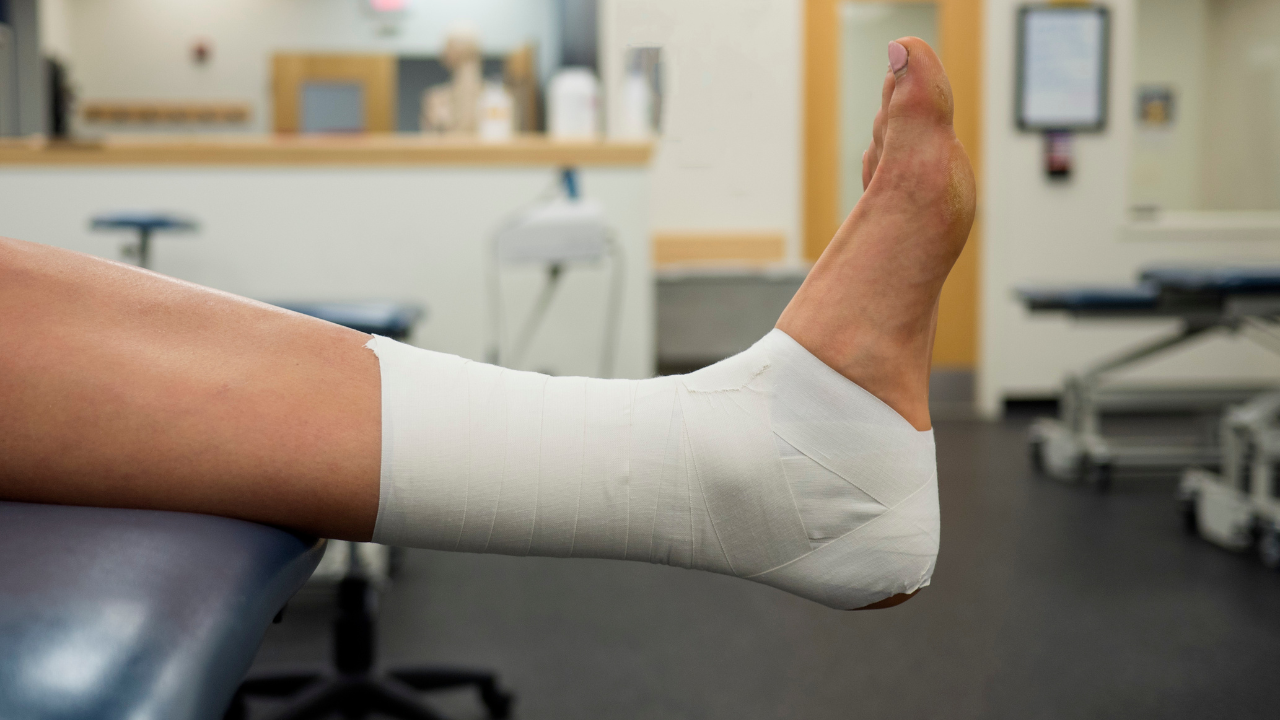
Accident insurance covers medical expenses from unexpected injuries, both on and off the mat. These types of fixed-benefit, indemnity-style programs have actually been around for decades — companies like Aflac built their entire model on paying cash benefits directly to policyholders when covered accidents or illnesses occur. Unlike traditional major medical insurance that pays doctors and hospitals directly, indemnity plans typically pay set dollar amounts to you when specific events happen — such as an ER visit, ambulance ride, surgery, X-rays, or hospitalization.
The challenge is that many people in the martial arts community simply aren’t educated on how these programs work. Because the premiums are often affordable and the coverage can apply 24/7 — not just during training, but from any new covered accident on or off the mats — athletes sometimes assume it sounds “too good to be true.” In reality, these plans are not a replacement for comprehensive health insurance, but a supplement designed to offset deductibles, copays, lost income, and out-of-pocket costs. When understood properly, they can be a powerful financial safety net — especially for self-employed athletes, gym owners, independent contractors, or anyone carrying a high-deductible health plan.
Here’s how it works:
Affordable coverage under $30/month
Freedom to seek treatment anywhere
Direct payout to the athlete, often exceeding standard insurance reimbursements
Real-Life Examples:
One member received $250 for a physician visit with only a $10 copay.
Another member received $7,000 for surgery, despite already having a high-deductible health plan.
“It’s one of the best investments I’ve ever made,” says a satisfied policyholder.
Disclaimer: Coverage details, payouts, and limitations vary by program. Always review your policy certificate and benefit statements for exact details.


Risk Management Tips for Gym Owners
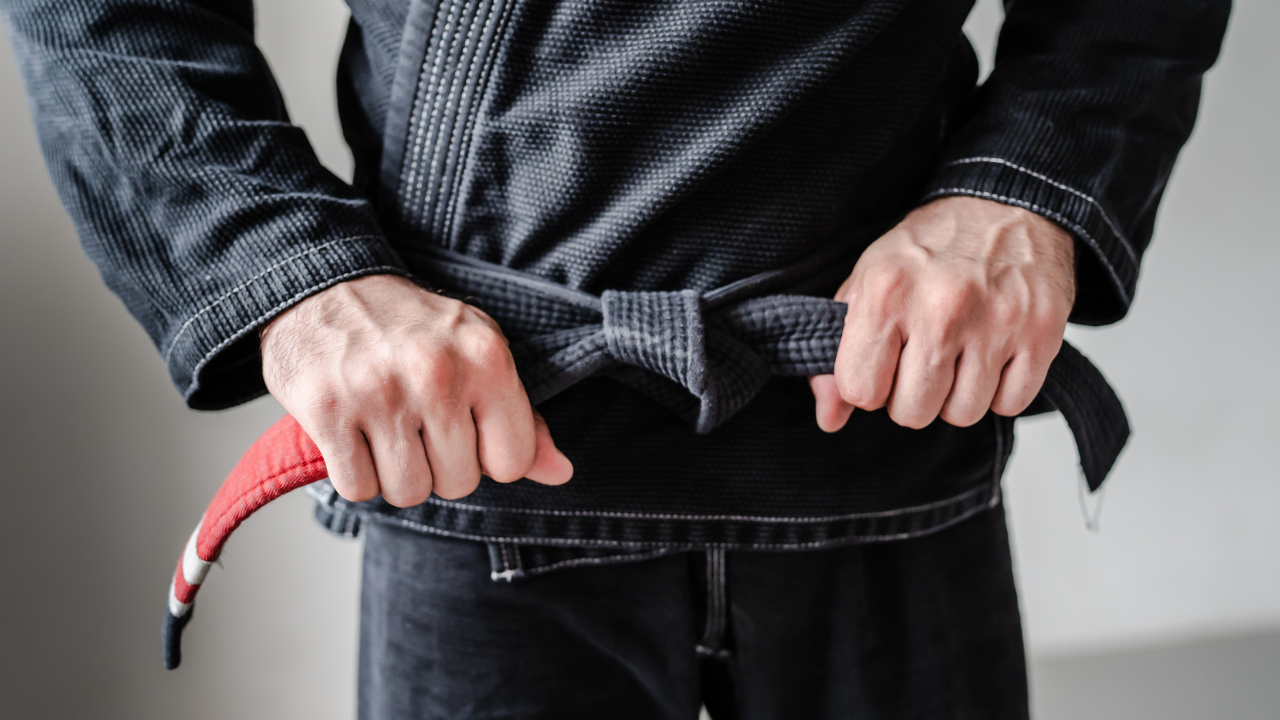
Gym owners play a crucial role in athlete safety and liability reduction. In high-contact sports like Brazilian Jiu-Jitsu, where injuries are an inherent risk, proactive risk management planning is essential. During the onboarding process, gym owners should clearly communicate the physical risks involved and the potential financial consequences of injuries, including high out-of-pocket costs, deductibles, or the absence of medical insurance coverage. Educating athletes about these realities fosters transparency and shared responsibility. Additionally, gyms can strengthen their risk management strategy by informing members about available options—such as injury insurance programs or supplemental coverage—that help mitigate financial exposure. Taking time to address these issues upfront not only protects athletes but also demonstrates professionalism and due diligence on the part of the gym.
Here’s what we recommend:
Educate athletes on injury risks and safety protocols
Encourage or provide accident insurance for all members
Understand waiver limitations—they don’t fully protect your gym from lawsuits
“Jiu-jitsu is dangerous. Injuries will happen. Insurance ensures athletes and gyms are financially protected.”
Fuji Sponsorship Program for Athletes
Beyond insurance, we sponsor athletes to participate in Fuji Jiu-jitsu tournaments. The program offers:
Exposure for rising athletes
Tournament experience in a safe, organized environment
Representation for the insurance program within the Jiu-jitsu community
Athletes like Jigen Nagata showcase how sponsorship programs support competitors and spread awareness about insurance benefits.
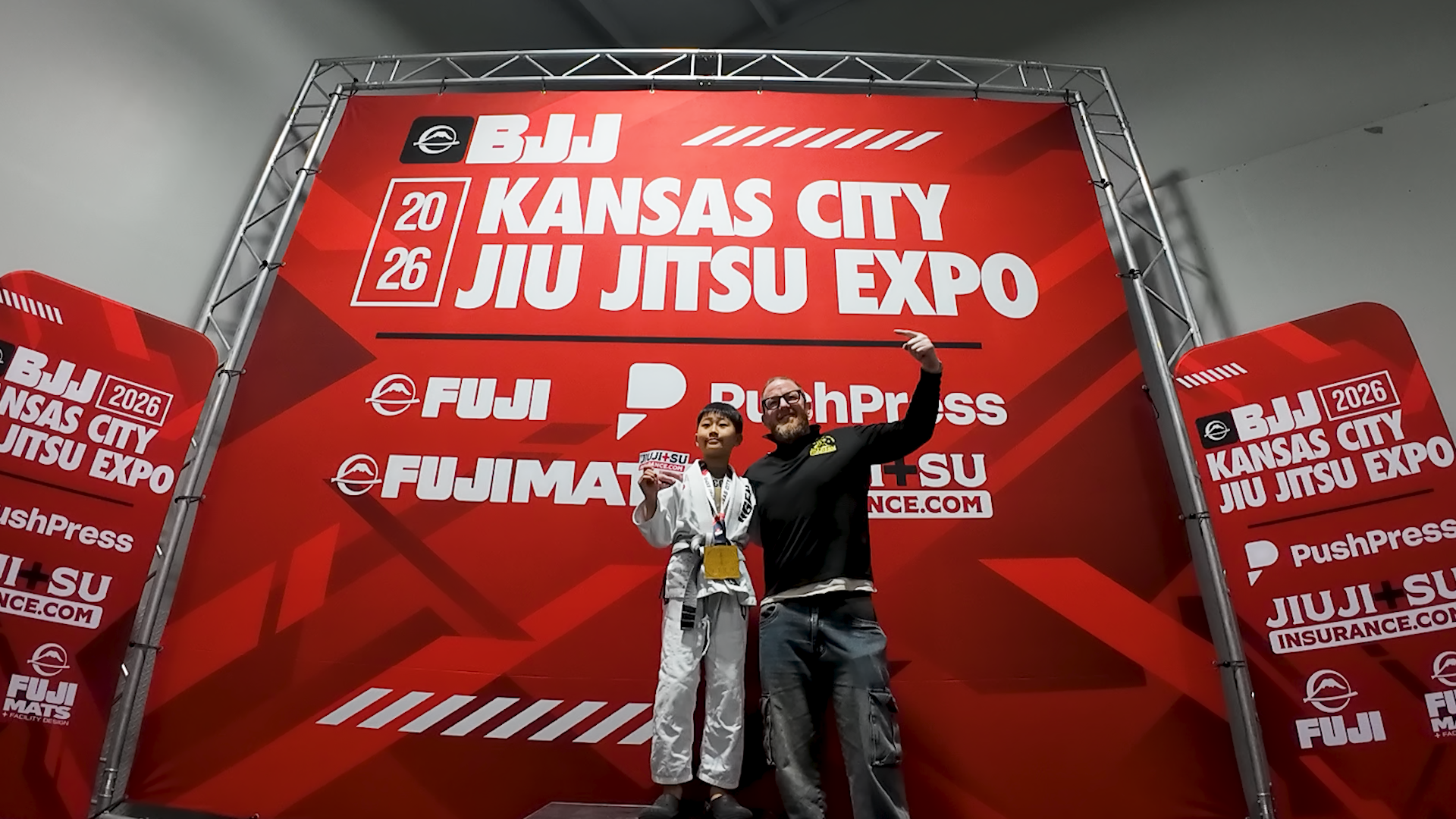
Chris Martin and Jigen Nagata at the Fuji BJJ expo January 2026.

Conclusion: Protect Your Health & Your Gym
Accidents are inevitable in martial arts, but financial stress doesn’t have to be. Whether someone trains in Brazilian Jiu-Jitsu, MMA, boxing, or any other combat sport, the reality is that injuries can happen — and not just on the mats. That’s why these programs protect grapplers 24 hours a day, not only during training, competitions, or open mats, but from any new covered accident on or off the mats. If a student slips at work, gets hurt in a car accident, or suffers an injury outside the academy, coverage can still apply. This makes it an especially strong solution for athletes who don’t currently have health insurance, are between jobs, are self-employed, or who carry high-deductible major medical plans and don’t want a single ER visit to turn into a financial setback. The goal is simple: let athletes focus on recovery and getting back to training — not worrying about how they’re going to pay the bill. Jiu-jitsu accident insurance is an affordable way to:
Protect athletes from unexpected medical bills
Mitigate liability for gym owners
Ensure injuries don’t derail training or finances
“We are promoting this program for the pure good of grapplers—so they can train with peace of mind.”
WATCH the Podcast Episode
For more insights on Jiu-jitsu insurance, risk management, and sponsorship programs, watch the full podcast episode where I explain how the program works and share real-life examples from athletes and gyms.
Podcast guesting at I Suck At Jiu-Jitsu Show with Josh McKinney
