Does Your Brazilian Jiu-Jitsu Academy Need a Curriculum?
A New Study, an Ecological Coach, and a Conversation Every Owner Should Have
The Million-Dollar Question in Brazilian Jiu-Jitsu
In the world of Brazilian Jiu-Jitsu, academies find themselves debating a topic that reaches far beyond techniques, belts, or competition rules. Today, one of the biggest conversations in coaching revolves around a deceptively simple question: Does your academy actually need a formal curriculum?
The answer matters—not just for your students' development, but for your academy's sustainability, reputation, and most importantly, for injury prevention. Recent research has shed light on this question, and the findings are compelling.
Key Finding: According to recent literature, structured curricula significantly reduce injury rates among BJJ practitioners while improving skill acquisition and retention.
Understanding the Research
A comprehensive literature review titled “Injury Prevalence in Brazilian Jiu-Jitsu and Mitigation Strategies for Brazilian Jiu-Jitsu Practitioners and Instructors: A Literature Review" published in The Sport Journal has become essential reading for academy owners and instructors.
The research doesn't solely rely on anecdotal evidence or common ideas discussed in passing. Instead, it raises critical questions that every serious academy owner and coach should be asking themselves.
Among the ideas discussed was a central theme: injury prevention isn't an accident—it's the result of deliberate, structured programming. The article doesn't conclude with prescriptive rules. Instead, it raises important questions for those who spend our days on the mat with our students and in conversation with our business partners.
What Makes a Great BJJ Curriculum?
Of course, not all curricula are created equal. A well-designed program should:
Progress logically from fundamentals to advanced techniques
Incorporate injury mitigation strategies at every belt level
Balance drilling, rolling, and strength training appropriately
Adapt based on student feedback and outcomes
Include periodization like many modern training programs do
The Primal MKE Approach: An Ecological Coaching Model
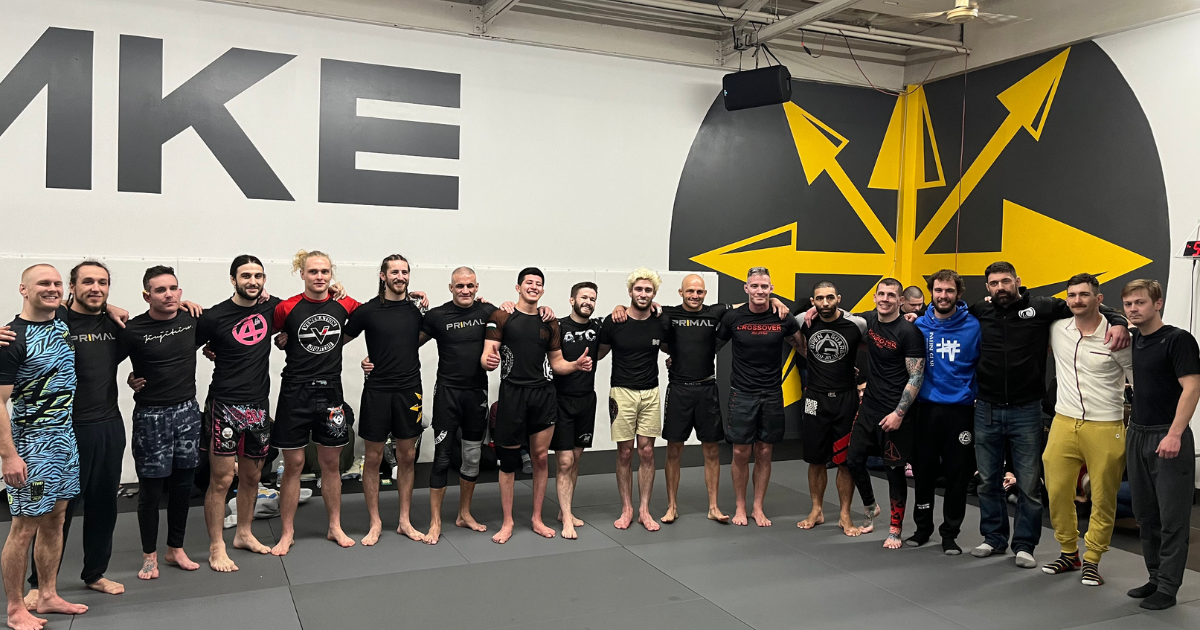
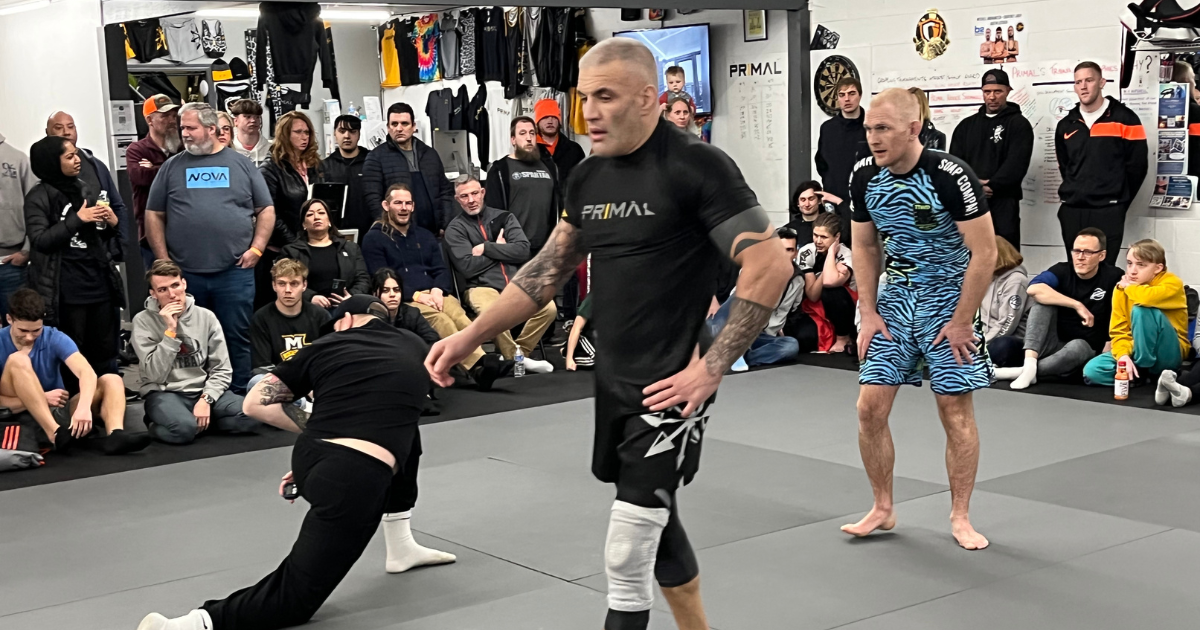
One excellent example of strategic curriculum design comes from Scott Sievwright of Primal MKE in Milwaukee. His approach emphasizes ecological coaching—meaning he designs training experiences that adapt to the individual needs, experience level, and specific goals of each student and group.
As he explains,
“Drilling is effective, but only if we're drilling the right things at the right time, with the right people, for the right reasons."
This philosophy reflects what modern sports science tells us: one-size-fits-all training is inefficient and potentially dangerous. A structured curriculum doesn't mean rigid and inflexible—it means intentional.

Curriculum vs. No Curriculum: The Real Differences
Academies without a formal curriculum often rely on:
Instructor intuition and experience alone
Whatever techniques the instructor feels like teaching that day
Ad-hoc responses to student injuries rather than prevention
Inconsistent progression between belt levels
In contrast, academies with structured curricula benefit from:
Systematic skill development from white belt to black belt
Reduced injury rates through progressive conditioning and technique training
Consistency across multiple instructors and class times
Better student retention and advancement
Improved reputation in the community
Lower insurance claims and liability exposure
The Injury Prevention Conversation
This brings us to an uncomfortable truth: many BJJ injuries are preventable. When academies take curriculum seriously, they're taking injury prevention seriously.
The question isn't just “Should we have a curriculum?" but rather “Can we afford not to?"
Consider this: Serious injuries lead to lawsuits, insurance claims, student dropout, and reputational damage. A well-designed curriculum is both a safety tool and a business investment.
Building Your Academy's Curriculum
If you're convinced that your academy needs a curriculum (and you should be), here's where to start:
Define your academy's philosophy - What are your core values? What do you want students to achieve?
Assess your student population - What are their goals? Belt levels? Age ranges?
Create a technical progression - Map out which techniques are taught at each belt level and why
Integrate conditioning and mobility work - Don't neglect the fitness components
Implement injury prevention protocols - Including warm-ups, cool-downs, and modified techniques for different populations
Establish feedback mechanisms - How will you know if your curriculum is working?
Review and iterate - Curriculum isn't static; it should evolve based on results
The Bottom Line
Does your Brazilian Jiu-Jitsu academy need a curriculum? The research says yes. The leading coaches say yes. And the safety of your students demands it.
The conversation you should be having isn't whether to implement a curriculum, but how quickly you can put one in place. Your students deserve intentional, progressive, safe training. Your academy deserves to be sustainable. And your business deserves protection against the legal and financial consequences of preventable injuries.
Protect Your Academy with Proper Insurance
At jiujitsuinsurance.com, we understand the unique risks facing BJJ academies. A structured curriculum is one part of risk management. Comprehensive insurance coverage is another.
Whether you're implementing your first curriculum or refining an existing one, make sure your academy has the protection it needs.
Resources & References
Injury Prevalence in Brazilian Jiu-Jitsu and Mitigation Strategies - The Sport Journal
jiujitsuinsurance.com - BJJ Insurance and Risk Management
About jiujitsuinsurance.com
We specialize in providing comprehensive insurance solutions for Brazilian Jiu-Jitsu academies, studios, and instructors. Our coverage is designed by people who understand the sport, for people who care about their community's safety and sustainability.