Why Martial Arts Schools Get Declined for Law Enforcement Training (and How to Do It Right).

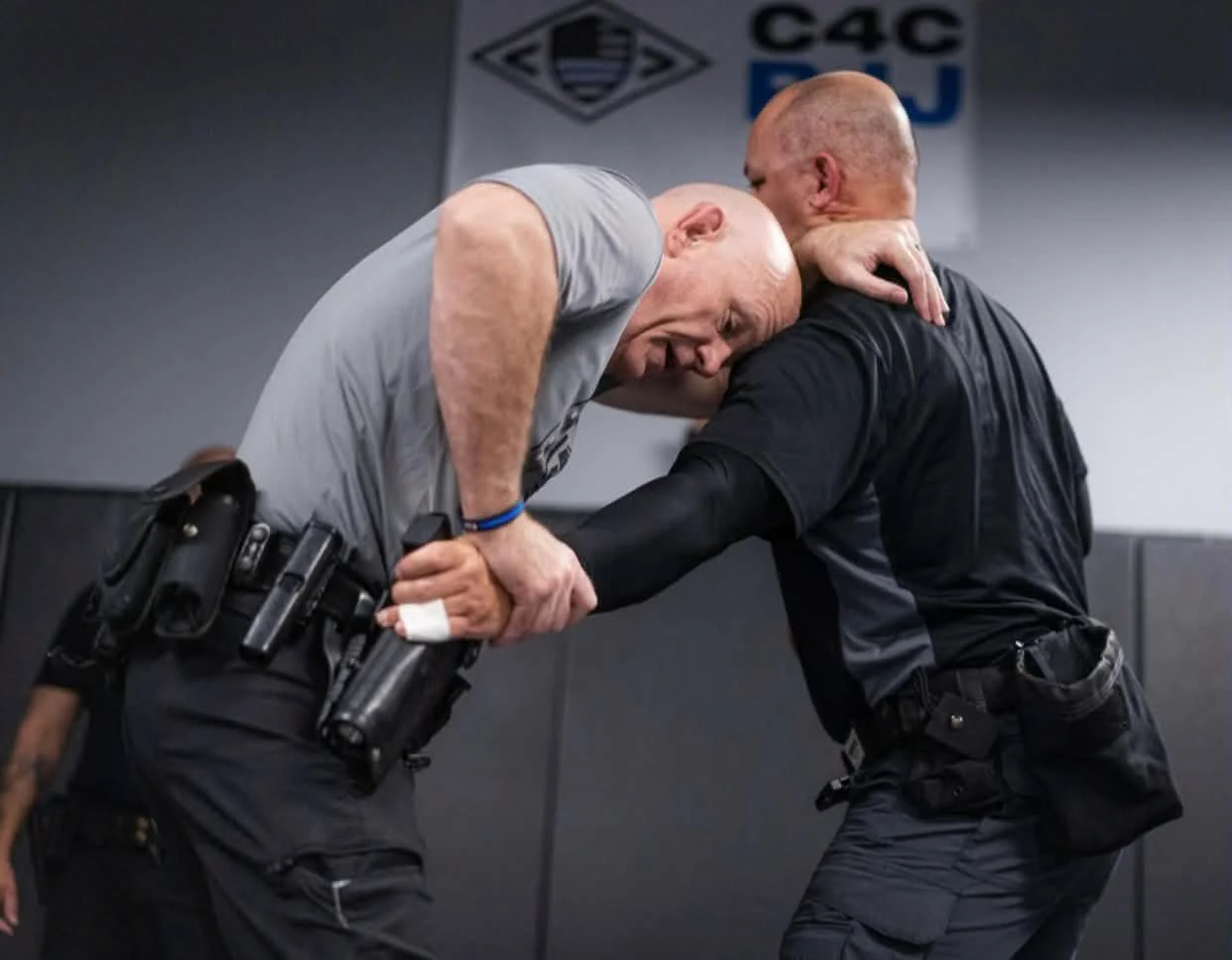
If you own a martial arts academy, there’s a good chance you’ve either run into this—or you’re one application away from it:
You fill out your insurance application honestly, check the box indicating you offer (or plan to offer) training for law enforcement or public safety—and the result is an immediate decline.
No follow-up. No clarification. Just “no.”
This has become one of the most frustrating—and misunderstood—issues in the martial arts insurance and combat sports insurance space.
Let’s break down why it happens—and more importantly—how to structure your coverage correctly so you can still operate, grow, and stay fully protected.
Who This Applies To
This issue impacts a wide range of gym owners, including:
Brazilian Jiu-Jitsu (BJJ) academies
MMA gyms
Kickboxing and Muay Thai schools
Traditional martial arts dojos
Self-defense training facilities
If you’re searching for BJJ gym insurance, MMA gym insurance, or liability insurance for martial arts schools—and you’ve ever considered hosting law enforcement or defensive tactics training—this applies directly to you.
How Martial Arts Insurance Actually Works
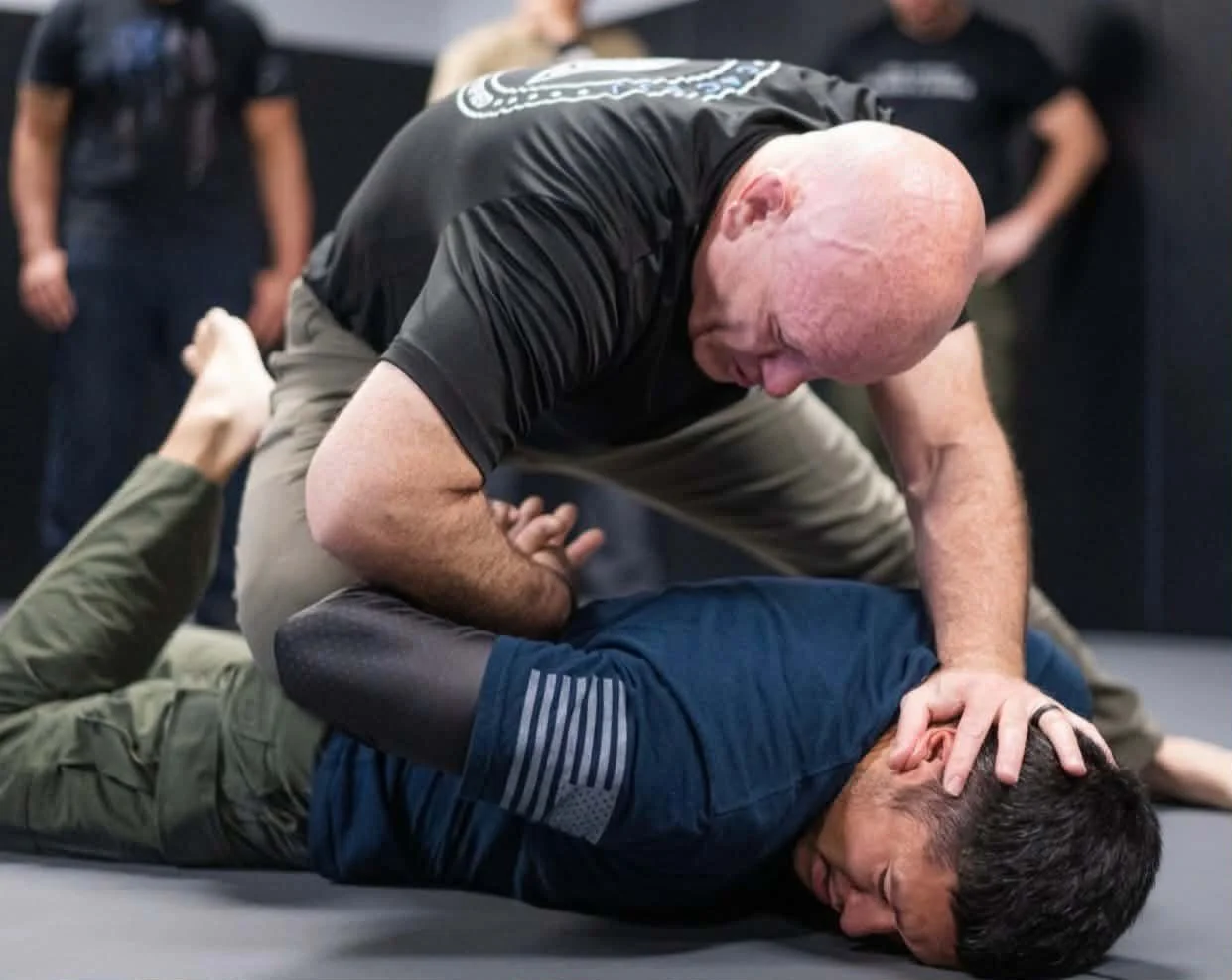
Most martial arts school insurance policies are built specifically for combat sports and typically include:
General Liability (slip & fall, third-party injury)
Professional Liability (instruction-related claims)
Participant Liability (student injury during training)
Accident Medical Coverage (helps cover student injuries regardless of fault)
These policies are often written through specialized programs designed for high-contact activities like Brazilian Jiu-Jitsu, Boxing, Wrestling, and MMA. They’re built for risk—but not all risk.
Why Law Enforcement Training Is Typically Excluded
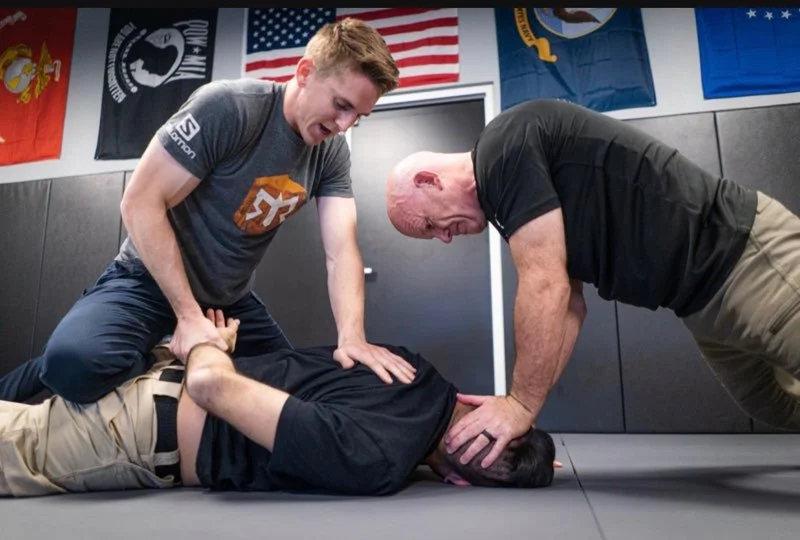
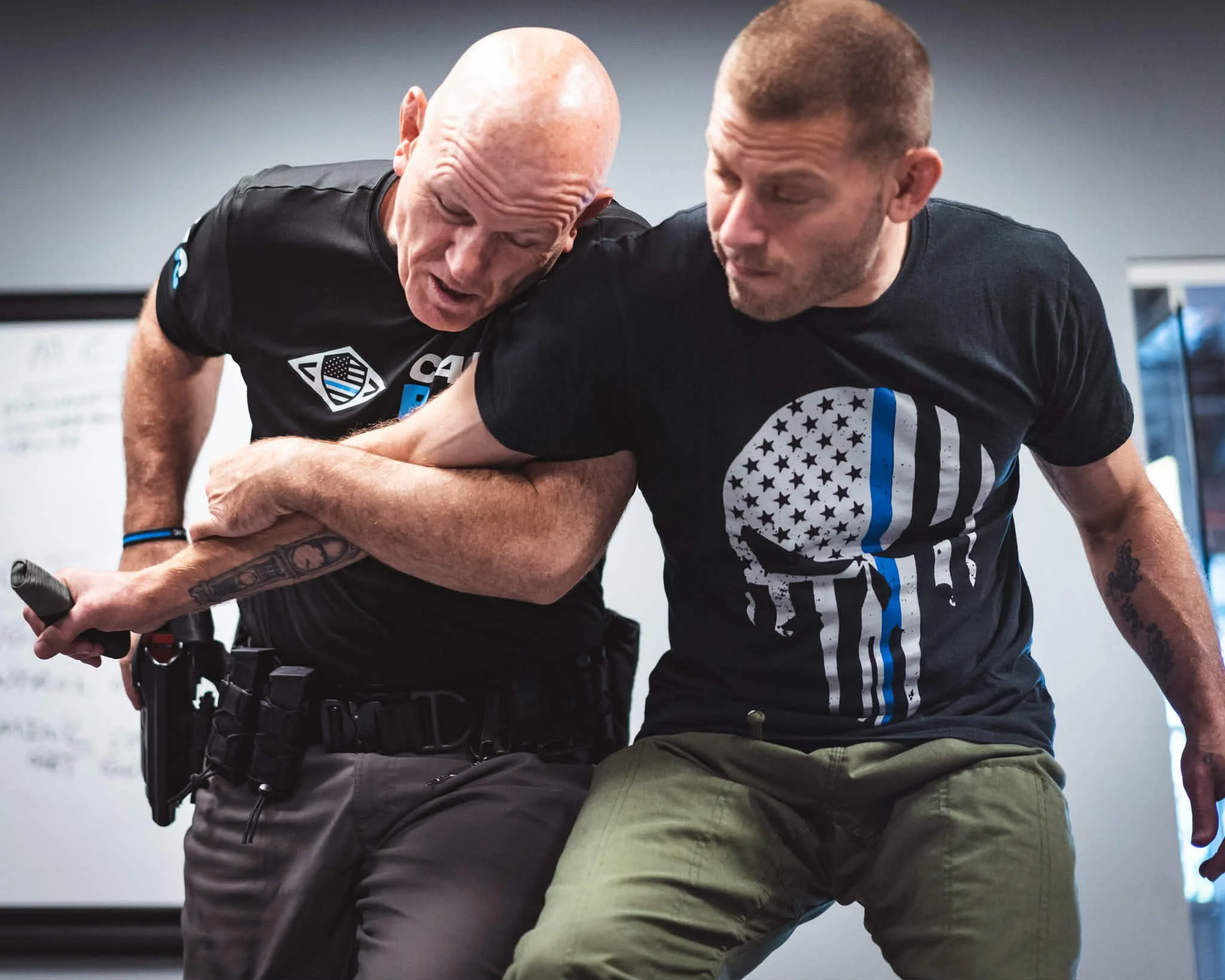
From an underwriting standpoint, law enforcement (LEO) training is not just “another class.” It’s a completely different exposure category.
Real-World Use-of-Force Application
Unlike regular students, law enforcement officers apply techniques in real-world situations. That creates a direct connection between your training and potential legal claims.
Higher Severity Claims
Injuries tied to use-of-force training can be more serious—and more litigated—than standard gym injuries.
Civil Rights & Liability Exposure
If an officer uses excessive force, attorneys may trace the claim back to the instructor, the training program, or even the facility.
Expanded Legal Risk
These cases can involve negligent training, improper instruction, or failure to prepare officers correctly.
Because of this, most carriers take a hard position: If your gym offers law enforcement training as part of its core operations, the policy is declined.

Most standard martial arts policies exclude LEO exposure entirely — but there's a proper structure that works.
The Common Mistake Gym Owners Make
Some gym owners try to “work around” this by simply checking “no” on the application—even if they do offer this type of training. That’s not a strategy. That’s a liability.
Misrepresentation can lead to:
Denied claims
Policy cancellation
Total loss of coverage when you need it most
The Correct Strategy: Separating the Risk
This is where proper structuring makes all the difference. At JiuJitsuInsurance.com, we’ve consistently built and executed a model that aligns with how underwriters actually evaluate risk.
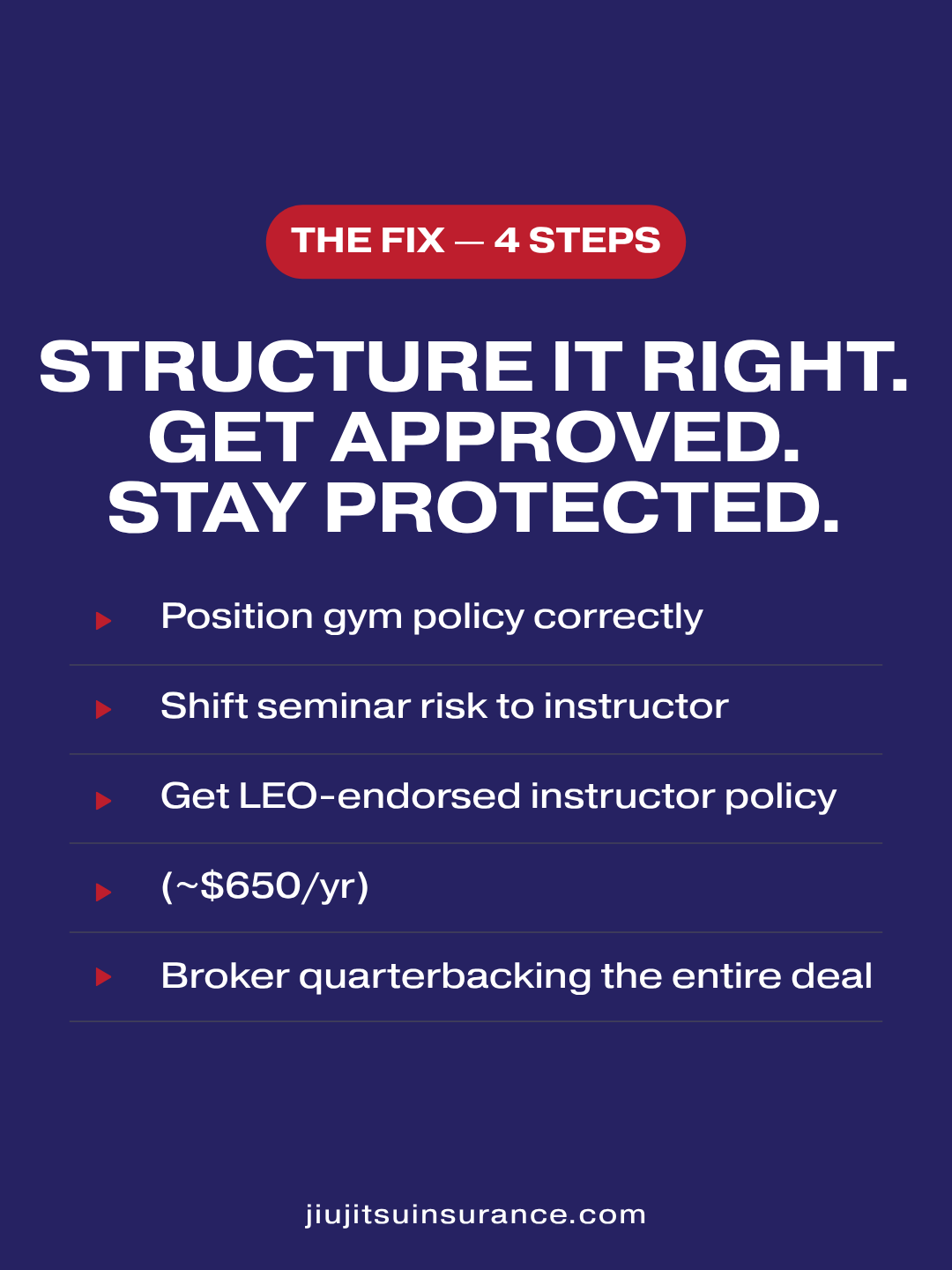
Step 1: Structure the Gym Policy Properly
We position your martial arts school policy correctly from the start and communicate clearly to the underwriter:
Your gym is not a law enforcement training facility
Your primary business is standard martial arts instruction
Coverage does not extend to law enforcement training exposure
Step 2: Allow Seminars—But Shift the Exposure
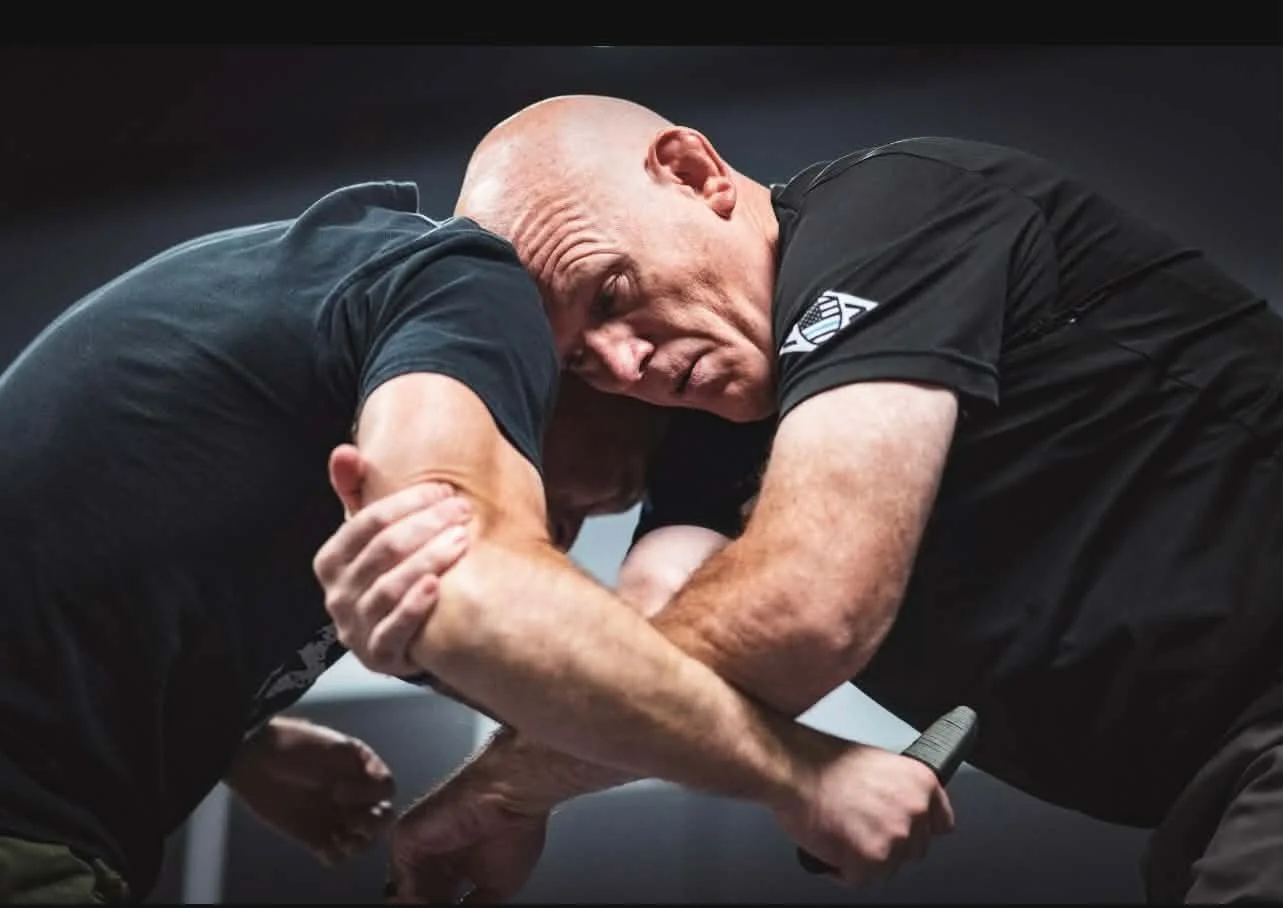
You can still host law enforcement seminars or defensive tactics training. But the risk must sit with the instructor or organization teaching it. That means:
They carry their own martial arts instructor insurance
Their policy includes law enforcement training coverage
They list your gym as Additional Insured
Step 3: Provide the Right Policy for Instructors
Most standard instructor policies won’t cover law enforcement training either. That’s why we offer:
Martial arts coach policies
With a law enforcement endorsement
Specifically designed for use-of-force and defensive tactics instruction
Typical cost: around $650 per year per coach or organization
Step 4: Quarterback the Entire Deal
At JiuJitsuInsurance.com, we quarterback the entire process:
We communicate directly with underwriters
We document that LEO exposure is excluded from the gym policy
We ensure instructors carry proper coverage
We align both policies so there are no gaps
Real-World Example
Let’s say your gym hosts a weekend defensive tactics seminar for a local police department.
If Structured Incorrectly:
Your gym policy absorbs the exposure
Carrier discovers LEO training
Policy could be canceled or claim denied
If Structured Correctly:
Instructor carries LEO-endorsed policy
Your gym is listed as Additional Insured
Your policy remains clean and compliant
Same seminar. Completely different risk outcome.








Frequently Asked Questions
-
Yes—but not under a standard gym liability policy. It must be structured with separately insured instructors.
-
Yes, if those seminars involve law enforcement or use-of-force training.
-
You risk denied claims, policy cancellation, and major liability exposure.
-
Waivers help—but they do not replace insurance, especially in high-risk categories like LEO training.
-
Yes. We can structure policies for both gym owners and instructors, including law enforcement endorsements when needed.
The Bottom Line
You don’t have to choose between getting insured or offering high-level training opportunities. You just need to structure it correctly.
If your gym is not primarily a law enforcement training facility—but you want the flexibility to host those seminars—there is a right way to do it. And when done properly, you can:
Get approved
Stay compliant
Protect your business
Expand your offerings safely
Need Help Setting This Up?
If you run a martial arts academy and want help with:
Martial arts insurance
BJJ gym insurance
Instructor coverage
Law enforcement training exposure
Or fixing a declined policy
We can build the structure the right way from the start. Because in this industry, it’s not just about having insurance—it’s about having it set up correctly