

Does Your Brazilian Jiu-Jitsu Academy Need a Curriculum?
Does Your Brazilian Jiu-Jitsu Academy Need a Curriculum?
In the world of BJJ, academies find themselves debating a question that reaches far beyond techniques and belt levels: Does your academy actually need a formal curriculum?
The answer matters—not just for your students' development, but for your academy's sustainability, reputation, and most importantly, for injury prevention. Recent research published in The Sport Journal reveals that structured curricula significantly reduce injury rates while improving skill acquisition and retention.
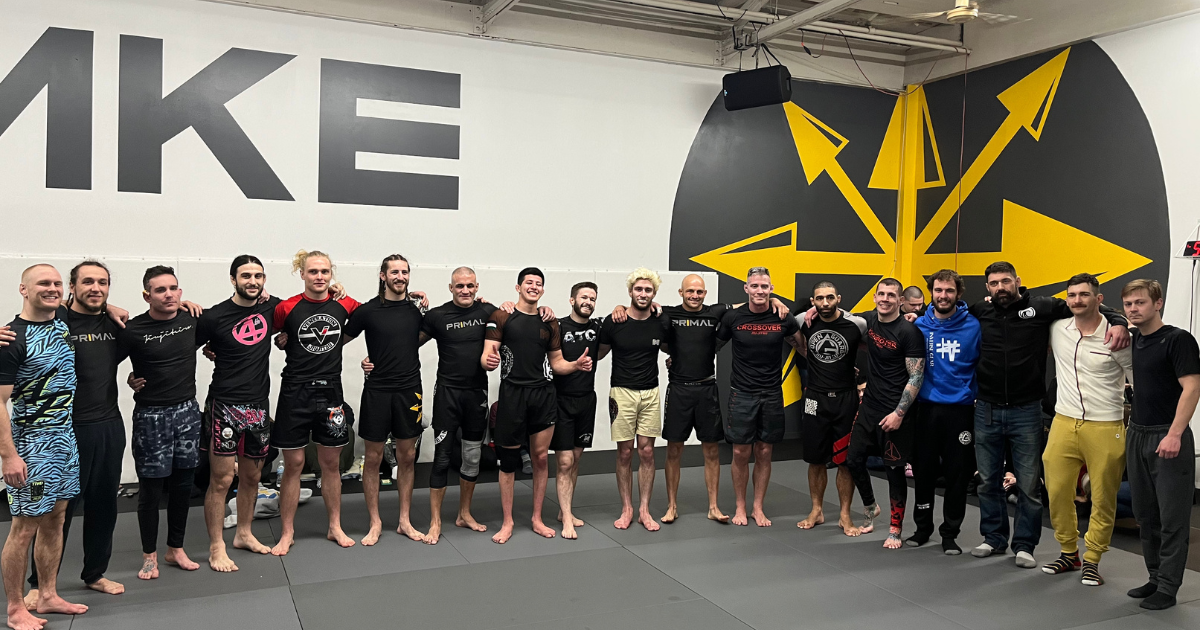
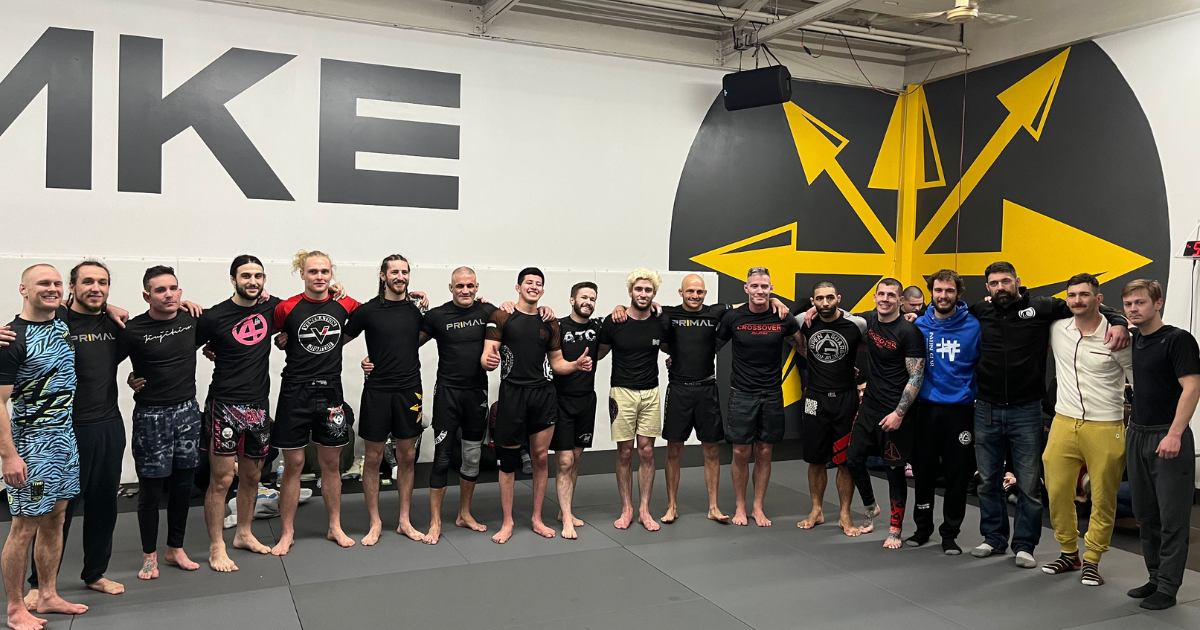
We sat down with Scott Sievwright of Primal MKE in Milwaukee—an ecological coaching pioneer who designs training programs that adapt to individual student needs—to explore why a structured curriculum isn't optional. It's essential. Learn what leading coaches know, what the research proves, and why academies without formal curricula face hidden risks that could cost you everything.
Read the full article to discover the real difference between academies with and without structured programs—and what protection looks like.
A New Study, an Ecological Coach, and a Conversation Every Owner Should Have
The Million-Dollar Question in Brazilian Jiu-Jitsu
In the world of Brazilian Jiu-Jitsu, academies find themselves debating a topic that reaches far beyond techniques, belts, or competition rules. Today, one of the biggest conversations in coaching revolves around a deceptively simple question: Does your academy actually need a formal curriculum?
The answer matters—not just for your students' development, but for your academy's sustainability, reputation, and most importantly, for injury prevention. Recent research has shed light on this question, and the findings are compelling.
Key Finding: According to recent literature, structured curricula significantly reduce injury rates among BJJ practitioners while improving skill acquisition and retention.
Understanding the Research
A comprehensive literature review titled “Injury Prevalence in Brazilian Jiu-Jitsu and Mitigation Strategies for Brazilian Jiu-Jitsu Practitioners and Instructors: A Literature Review" published in The Sport Journal has become essential reading for academy owners and instructors.
The research doesn't solely rely on anecdotal evidence or common ideas discussed in passing. Instead, it raises critical questions that every serious academy owner and coach should be asking themselves.
Among the ideas discussed was a central theme: injury prevention isn't an accident—it's the result of deliberate, structured programming. The article doesn't conclude with prescriptive rules. Instead, it raises important questions for those who spend our days on the mat with our students and in conversation with our business partners.
What Makes a Great BJJ Curriculum?
Of course, not all curricula are created equal. A well-designed program should:
Progress logically from fundamentals to advanced techniques
Incorporate injury mitigation strategies at every belt level
Balance drilling, rolling, and strength training appropriately
Adapt based on student feedback and outcomes
Include periodization like many modern training programs do
The Primal MKE Approach: An Ecological Coaching Model
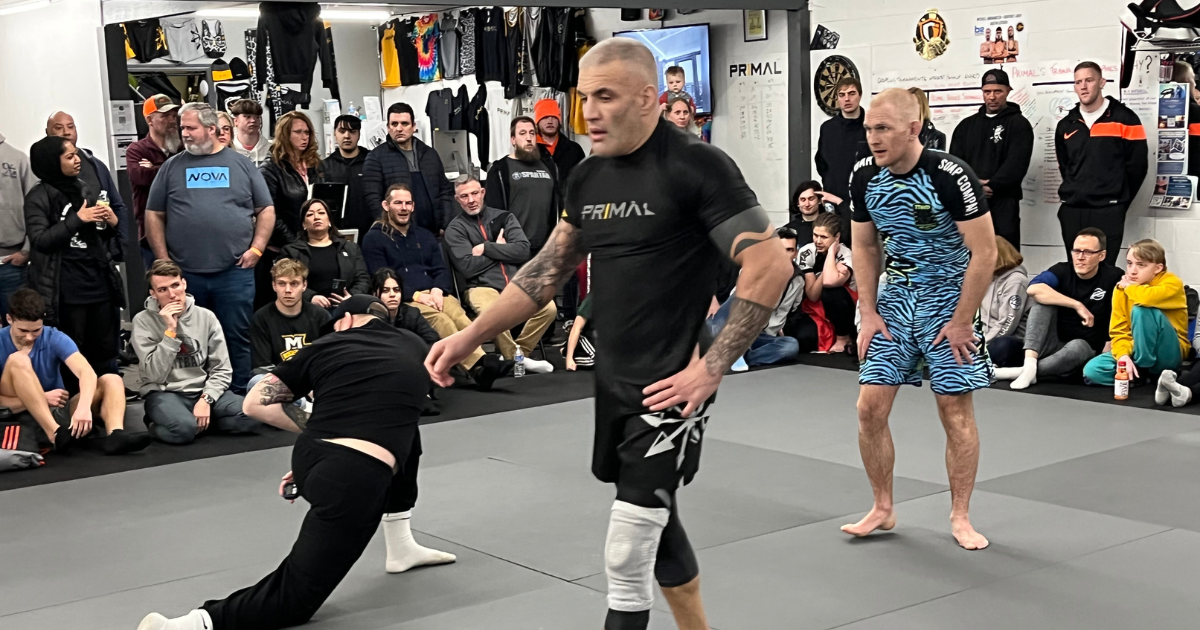
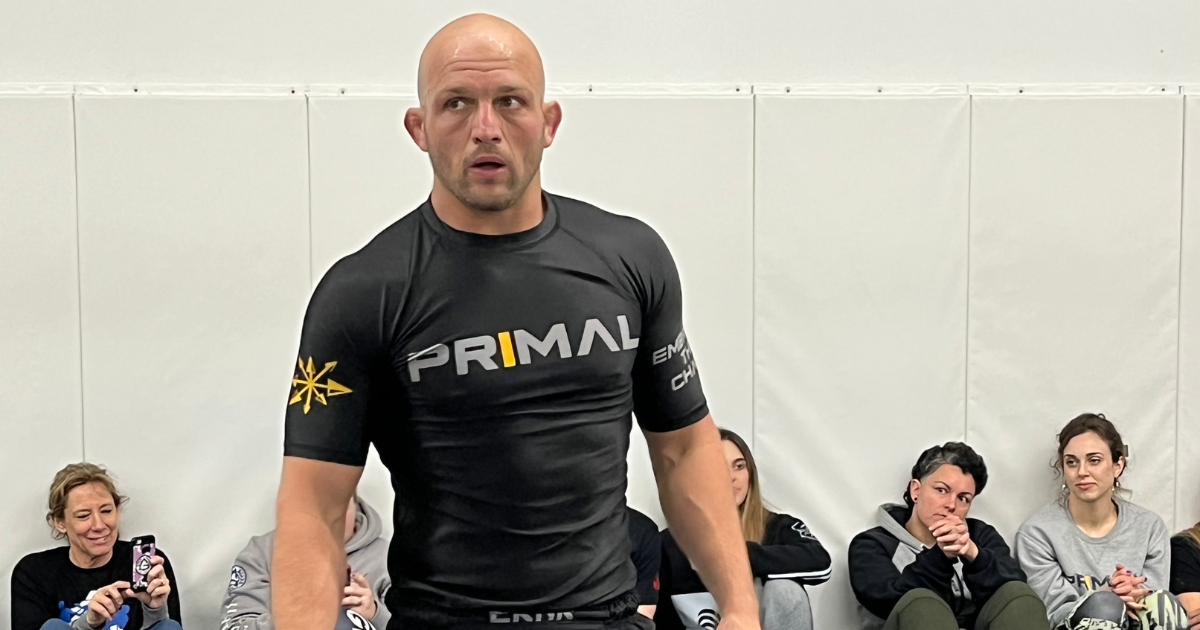
One excellent example of strategic curriculum design comes from Scott Sievwright of Primal MKE in Milwaukee. His approach emphasizes ecological coaching—meaning he designs training experiences that adapt to the individual needs, experience level, and specific goals of each student and group.
As he explains,
“Drilling is effective, but only if we're drilling the right things at the right time, with the right people, for the right reasons."
This philosophy reflects what modern sports science tells us: one-size-fits-all training is inefficient and potentially dangerous. A structured curriculum doesn't mean rigid and inflexible—it means intentional.
Curriculum vs. No Curriculum: The Real Differences
Academies without a formal curriculum often rely on:
Instructor intuition and experience alone
Whatever techniques the instructor feels like teaching that day
Ad-hoc responses to student injuries rather than prevention
Inconsistent progression between belt levels
In contrast, academies with structured curricula benefit from:
Systematic skill development from white belt to black belt
Reduced injury rates through progressive conditioning and technique training
Consistency across multiple instructors and class times
Better student retention and advancement
Improved reputation in the community
Lower insurance claims and liability exposure
The Injury Prevention Conversation
This brings us to an uncomfortable truth: many BJJ injuries are preventable. When academies take curriculum seriously, they're taking injury prevention seriously.
The question isn't just “Should we have a curriculum?" but rather “Can we afford not to?"
Consider this: Serious injuries lead to lawsuits, insurance claims, student dropout, and reputational damage. A well-designed curriculum is both a safety tool and a business investment.
Building Your Academy's Curriculum
If you're convinced that your academy needs a curriculum (and you should be), here's where to start:
Define your academy's philosophy - What are your core values? What do you want students to achieve?
Assess your student population - What are their goals? Belt levels? Age ranges?
Create a technical progression - Map out which techniques are taught at each belt level and why
Integrate conditioning and mobility work - Don't neglect the fitness components
Implement injury prevention protocols - Including warm-ups, cool-downs, and modified techniques for different populations
Establish feedback mechanisms - How will you know if your curriculum is working?
Review and iterate - Curriculum isn't static; it should evolve based on results
The Bottom Line
Does your Brazilian Jiu-Jitsu academy need a curriculum? The research says yes. The leading coaches say yes. And the safety of your students demands it.
The conversation you should be having isn't whether to implement a curriculum, but how quickly you can put one in place. Your students deserve intentional, progressive, safe training. Your academy deserves to be sustainable. And your business deserves protection against the legal and financial consequences of preventable injuries.
Protect Your Academy with Proper Insurance
At jiujitsuinsurance.com, we understand the unique risks facing BJJ academies. A structured curriculum is one part of risk management. Comprehensive insurance coverage is another.
Whether you're implementing your first curriculum or refining an existing one, make sure your academy has the protection it needs.
Resources & References
Injury Prevalence in Brazilian Jiu-Jitsu and Mitigation Strategies - The Sport Journal
jiujitsuinsurance.com - BJJ Insurance and Risk Management
About jiujitsuinsurance.com
We specialize in providing comprehensive insurance solutions for Brazilian Jiu-Jitsu academies, studios, and instructors. Our coverage is designed by people who understand the sport, for people who care about their community's safety and sustainability.


Chris Wojcik Seminar – Athlete Q&A & Training Insights
Recently, Misfits Gym hosted a seminar with world-class grappler Chris Wojcik, giving students a chance to learn directly from one of the sharpest minds in the sport today.
During the visit, Chris shared some of his favorite techniques, training insights, and competition mindset with the room. We also had the opportunity to film a Pro Tips Q&A session, where he broke down concepts that have helped him succeed at the highest levels of grappling.
If you're a fan of Brazilian Jiu-Jitsu or looking to sharpen your game, it’s worth taking a few minutes to listen in. There’s always something to learn when a high-level competitor shares how they think about training, strategy, and improvement.
🎧 Take a listen to the Q&A session — you might just pick up a few valuable insights from a great grappling mind.

During the Chris Wojcik seminar at Misfits Jiu Jitsu (St. Charles, IL), we sat down for an in-depth Q&A covering competition mindset, training habits, recovery, and life as a professional grappler. This blog post breaks down the full conversation into an easy-to-read FAQ format, pulling directly from the seminar discussion.
Below, you’ll find insights that apply to white belts, seasoned competitors, and coaches alike.
Seminar Vlog Highlights
Athlete Q&A Video
Athlete Q&A
BJJ Competition Mindset & Match Preparation
1. What’s your best advice for white belts when starting a match?
Focus on staying calm and executing simple techniques you’ve already trained. Avoid overthinking or trying new moves under pressure.
2. How early do you start warming up before a match?
Warm-ups usually begin well before the first match to allow the body to loosen up gradually without wasting energy.
3. What about multiple matches in a day?
Between matches, the goal is to stay warm, mobile, and relaxed while conserving energy.
4. Does warming up help nerves?
Yes—warming up helps regulate breathing, reduce anxiety, and mentally prepare for competition.
BJJ Competition Warm-Up Tips & Nutrition
5. What do you eat before a match?
Nutrition stays simple and familiar. Easily digestible foods that provide energy without upsetting the stomach are preferred.
6. Do you lift and do cardio?
Yes. Strength training and conditioning are important parts of preparation, balanced carefully with skill training.
7. Recovery tips, especially after drinking?
Hydration, sleep, and proper nutrition are key. Alcohol can slow recovery, so managing intake is important.
Skill Development & Training Safety in BJJ
8. How do you bring a new skill into high-level competition?
New techniques are introduced gradually—first in training, then against trusted partners, before being used in competition.
9. How do you teach leg locks to beginners?
Leg locks are taught with an emphasis on control, awareness, and safety before submission pressure.
10. How do you make training safe for pros and lower belts?
Clear communication, controlled intensity, and situational awareness help keep training productive and safe for everyone.
High-Level BJJ Competition Experience
11. How was your experience at CJI?
CJI was a unique and challenging experience, offering high-level competition and valuable lessons despite physical setbacks.
12. Compared to when you first started in Jiu Jitsu, do you enjoy it more now?
The enjoyment is different. Early excitement has evolved into satisfaction from growth, strategy, and mastery.
13. Is there a certain match you want that you haven’t had yet?
The focus is on continuing to face higher-ranked opponents and challenging matchups that support long-term progress.
14. Do you have any favorite matches so far?
Rematches stand out the most, as they highlight improvement and evolving strategy.
BJJ Cardio & Strength Conditioning
15. You talked about lifting—what do you do for cardio, and do you periodize it?
Cardio changes throughout the training cycle. Far from competition, zone one and two cardio build an aerobic base. Closer to competition, training shifts to higher-intensity intervals. After competition, volume is reduced before rebuilding again.
BJJ Career, Lifestyle & Longevity
16. Do you ever plan to open your own gym?
It’s a possibility in the future, but the focus remains on competing and continuing to grow as an athlete.
17. Inspirations in Jiu Jitsu?
Inspiration comes from athletes who push the sport forward and continue evolving their game.
18. Hobbies outside Jiu Jitsu?
Time away from the mats is important for balance and mental reset.
19. What was the group like when you went to Austin? Did you feel like you had to go there?
Austin provided a high-level training environment that helped accelerate development, though the move was a choice rather than a necessity.
20. How do you deal with plateaus?
Plateaus are addressed by reassessing training, focusing on fundamentals, and trusting the long-term process.
21. Injuries & recovery?
Managing injuries involves smart training decisions, rest, and adjusting intensity when needed.
22. What career would you choose if not Jiu Jitsu?
While Jiu Jitsu remains the priority, there’s an appreciation for having transferable skills and long-term planning beyond competition.
This seminar and Q&A offered a rare look into the mindset and preparation of a high-level competitor. Whether you’re just starting out or already competing, these insights reinforce the importance of process, consistency, and environment in Jiu Jitsu growth.
📍 Location: Misfits Jiu Jitsu – St. Charles, IL
👤 Instructor: Chris Wojcik
Get access to the full Leg Lock Seminar with Chris Wojcik.

Reilly Bodycomb on Principles, Mindset, and Safety in Training
Leg lock specialist and combat sports coach Reilly Bodycomb doesn't just teach techniques — he redefines how grapplers think about learning and staying safe on the mats. At his recent seminar at 3D MMA in Hanover Park, IL, Bodycomb shared the principles and mindset that keep athletes improving without breaking themselves or their partners. Because in jiu-jitsu, the best training culture isn't the most competitive one — it's the one where everyone gets to keep showing up.
Reilly Bodycomb on Principles, Mindset, and Safety in Training
Lessons from his recent seminar at 3D MMA in Hanover Park, IL
When leg lock specialist and combat sports coach Reilly Bodycomb teaches, he’s not just running through a list of techniques — he’s redefining how we think about learning, training, and staying safe on the mats.
At his recent seminar at 3D MMA in Hanover Park, Illinois, Bodycomb shared a deep look into his evolving philosophy on jiu-jitsu and grappling. His focus wasn’t on flashy submissions or the next viral move — it was on the principles that make grappling work, and the mindset that keeps athletes improving while protecting each other.
Always Recheck Your Work
Bodycomb’s approach begins with intellectual humility.
“If I realize I’m answering a question the same way I did 15 years ago, I get suspicious,” he said.
That mindset — to question, re-test, and refine — is what keeps grappling alive and evolving. Rulesets change, athletes change, and the art keeps developing. To be a great martial artist or coach, you must stay curious.
As Bodycomb put it, he’s “trying to prove himself wrong constantly.” It’s an attitude every instructor should embrace — not only to improve technically, but to keep training safer and more adaptable for everyone.
Bodycomb describes himself as a “principle-focused” coach rather than a “technique-focused” one.
“I’m looking for the heuristics — the rules of behavior in this shape. If your technique follows those rules, it’s probably correct.”
By focusing on underlying mechanics — posture, leverage, base, balance, and control — athletes can understand whysomething works rather than just what to do. This approach develops creativity, consistency, and problem-solving on the mats.
For gym owners and coaches, this is also a safety strategy: when students understand the purpose behind their movements, they train with more awareness and fewer reckless errors.
Team Mindset and Safety
One of the most powerful ideas from the seminar came when Bodycomb spoke about team culture and the responsibility each athlete has for their partner’s well-being.
“You can’t win by beating your team,” he said.
He emphasized that training should be cooperative — a shared process where both partners learn and protect each other. When someone is making a mistake, the goal isn’t to exploit it but to fix it together.
This kind of environment dramatically reduces the risk of injury and improves overall performance. As Bodycomb put it, “Safety comes from a collective.”
At JiuJitsuInsurance.com, we see this every day: gyms that prioritize teamwork and safety culture experience fewer injuries, fewer liability claims, and higher student retention.
Purposeful Sparring: “Good Guy / Bad Guy” Rounds

Reilly Bodycomb leg lock seminar in Hanover Park, IL.
Bodycomb explained that most of his sparring is structured rather than open-ended. He calls it “good guy / bad guy” sparring — where one athlete focuses on a specific task or scenario, while the partner provides realistic resistance.
“This isn’t your sparring; it’s my sparring right now — and then we’ll switch,” he said.
By controlling the purpose of each round, partners can train hard but smart — staying safe while developing specific skills. This format is especially useful for gyms that want to keep new students safe or reduce strain during higher-intensity sessions.
Ego-Free Learning
“You can’t get better by yourself,” Bodycomb reminded the group.
High-level athletes understand that longevity comes from collaboration, not competition. The best black belts aren’t the ones who “win” every roll — they’re the ones who can train day after day, year after year, without breaking themselves or their partners.
That mindset — respect, awareness, and shared improvement — is also what makes for a low-risk training environmentand a stronger business.
For Coaches and Gym Owners
If you run a martial arts school, Bodycomb’s lessons tie directly into your gym’s safety and insurance outlook:
Teach principles, not just techniques. It builds smarter, safer athletes who can adapt and protect themselves.
Create a cooperative culture. Encourage students to share knowledge, not hide “secrets.” Safety is a team effort.
Structure your sparring sessions. Purposeful drilling reduces chaos and keeps everyone learning efficiently.
Revisit your methods regularly. Just like Reilly rechecks his own work, review your training policies and risk management practices often.
At JiuJitsuInsurance.com, we specialize in helping coaches and academy owners build programs that balance competition, growth, and protection — so you can focus on what matters: developing skilled, resilient, and safe martial artists.
As the seminar wrapped up, Bodycomb smiled and said,
“That’s the end of my TED Talk.”
But the lesson will stick with everyone who was on those mats in Hanover Park — and with every coach who wants to build a better, safer, and longer-lasting training culture.
About the Author
Christopher D. Martin is the CEO of JiuJitsuInsurance.com, a specialized insurance brokerage serving martial arts academies, combat sports events, and fitness professionals nationwide. Chris is also an active Brazilian Jiu-Jitsu and MMA instructor, and a published contributor to PubMed on neck trauma and safety in grappling.
For questions about martial arts insurance or safety programs for your academy, contact Chris directly at Chris@JiuJitsuInsurance.com.

Protect yourself on and off the mats. Get affordable personal injury coverage for Jiu-Jitsu athletes starting at only $30/month from jiujitsuinsurance.com.

Is Situational Sparring the Smarter, & Safer Way to Train Jiu Jitsu?
This article explores the benefits of situational sparring in Brazilian Jiu-Jitsu, especially for beginners. Unlike traditional training that relies on full live rolling, situational sparring allows students to focus on specific positions, improve faster, reduce injuries, and stay more engaged. It also gives instructors better control over class structure and safety.

For years, the traditional Brazilian Jiu-Jitsu class structure has followed a familiar formula: warm-up, technique, and full live sparring. While this approach has served generations of practitioners, there’s a growing recognition—especially among coaches and experienced athletes—that situational sparring is not just a smarter way to train, but also a safer, more efficient path to improvement, especially for beginners.
At JiuJitsuInsurance.com, we’re constantly looking at ways to help BJJ academies and athletes train smarter and manage risk more effectively. One of the most powerful shifts we’ve seen in recent years is the move toward structured positional sparring—and the benefits are hard to ignore.
What Is Situational Sparring?
Situational sparring (also called positional sparring) isolates a specific position or scenario—such as mount, back control, or escaping side control—and allows students to start in and work through that position repeatedly. The goal is to sharpen skills in a focused environment, rather than rely on random chance to end up in that position during a live roll.
This format can revolutionize how students understand the game, build confidence, and reduce their risk of injury.
1. Train in Positions You Rarely Reach in Live Rolling
One of the biggest limitations of full sparring is that many students, especially beginners, simply never reach certain positions often enough to learn how to handle them. A white belt may spend months rolling without ever having to escape back mount—or having the opportunity to practice maintaining dominant positions like knee-on-belly.
Situational sparring puts athletes in those specific situations repeatedly, allowing them to develop real, functional understanding and make quick gains in skill. It’s an efficient use of mat time, and the learning curve becomes much steeper.

Postional sparring in a BJJ training gym.
2. Fix Mistakes and Discover New Opportunities
In a traditional roll, mistakes often go unnoticed or uncorrected—because by the time the mistake happens, the round has moved on. With positional sparring, you can pause, reset, and work through the same situation again, giving both the student and the instructor the chance to identify errors, reinforce correct habits, and even experiment with creative solutions.
Over time, this leads to deeper technical knowledge and better decision-making under pressure.
3. Fewer Injuries, More Predictability
Live rounds—especially for newer students—can be chaotic. Sudden takedowns, explosive movements, and unfamiliar reactions often result in minor (and sometimes major) injuries.
Because situational sparring starts in a static, controlled position, there’s significantly less randomness and fewer unpredictable movements. This makes the environment much safer for everyone, especially beginners or those returning from injury. Less shooting, scrambling, or wild transitions means more structured movement and better injury prevention.

Back control in jiu jitsu practice.
4. A Gentler On-Ramp for Beginners
Let’s be honest—full rolling can be intimidating. Newer students may feel overwhelmed, frustrated, or even discouraged if they’re constantly being smashed or submitted without understanding what went wrong.
Situational sparring allows beginners to gradually experience the intensity of live training in a more digestible format. They get real-time feedback, more wins, and more chances to reset and try again. This builds confidence, keeps them engaged longer, and creates a more positive experience overall.
5. Better Class Management and Coach Supervision

Coach Ashur Darmo watches over the sparring in his Northfield, Illinois bjj gym.
For instructors, situational sparring makes it easier to monitor the class, coach in real time, and keep things safe. When everyone is working on the same position or concept, it's far easier to give targeted feedback and catch bad habits early.
This structure also helps manage risk across the board—making it a great addition for gym owners and coaches concerned with student retention and injury prevention.
6. Higher Intensity, Less Downtime
Because there’s less positional resetting and more focused activity, heart rates stay elevated throughout the round. Students stay mentally and physically engaged, working specific muscles and cardio systems relevant to that position.
This makes situational sparring a fantastic tool not just for technical development, but for conditioning and endurance as well.
Better Skill Development, Safer Training Environment
At the end of the day, situational sparring offers a more thoughtful, strategic approach to training. It helps athletes develop skill faster, reduces unnecessary injuries, and creates a positive training environment that keeps students coming back.
We believe that if more schools adopted this method—especially for beginners—it would dramatically improve student outcomes, reduce dropout rates, and help academies thrive by managing risk more intelligently.
Protect yourself on and off the mats. Get affordable personal injury coverage for Jiu-Jitsu athletes starting at only $30/month from JiuJitsuInsurance.com

From Mat to Courtroom: A Wake-Up Call for BJJ Coaches.
This article explores the importance of coach supervision and risk management in Brazilian Jiu-Jitsu, using a real-world lawsuits—Ray Perada Vs Atos—as cautionary examples. It emphasizes that waivers don’t protect against negligence and highlights best practices for injury prevention, student safety, and legal protection. A must-read for BJJ coaches, gym owners, and instructors looking to create a safer, more sustainable training environment.

A coach at M5 Jiu Jitsu does a good job supervising the training in the gym.
In Brazilian Jiu-Jitsu, injuries are part of the game—but when negligence is involved, serious harm can lead to lawsuits. And no waiver will fully protect your gym if you're not actively keeping students safe.
On August 15, 2017, Ray Perada was attending his tenth training session at a Jiu Jitsu gym in Long Beach. During a sparring round with a more experienced purple belt, he was caught in a chokehold. Before he could tap, the buzzer ended the match. Afterward, Ray showed clear signs of distress—he was out of breath, limping, and confused. No coach intervened. No medical attention was offered. This lawsuit highlights how critical proper supervision is during training. When early warning signs are missed or ignored, the consequences aren’t just physical—they can be legal and financial, too.
What Coaches Can Learn From This
While the court eventually dismissed claims against some of the parties, the case made one thing clear: coaches and gym owners have a duty of care to their students. You cannot hide behind a waiver while scrolling your phone during sparring sessions. You cannot leave pairings entirely up to the students and assume things will be fine.
You are the authority in the room—and with that comes responsibility.
Ways This Incident Could Have Been Prevented
Active Supervision During Sparring:
Live rounds aren’t a break for instructors. Coaches must stay engaged, alert, and mobile during sparring, watching for signs of distress or dangerous mismatches in pace, weight, or experience.Smarter Pairing Protocols:
Newer students should be paired thoughtfully—not just based on belt rank, but also on intensity levels and rolling habits. Coaches who know their students can avoid risky pairings.Education on Injury Symptoms:
All coaches should be trained to recognize the early signs of a concussion, oxygen deprivation, or neurological issues. Confusion, imbalance, or sudden fatigue are red flags—not just signs of being “tired.”Immediate Post-Round Check-Ins:
A 30-second check-in after each round, especially when a student looks shaken, can help catch problems before they escalate. “You good?” isn’t enough—ask questions and observe.Clear Injury Protocols:
Have a system in place. If someone shows signs of injury, stop the session, assess the student, and involve medical professionals if needed. Document it. Protect your people—and yourself.
We stopped by our client Gabriel Sousa’s gym in Apex, North Carolina to check out one of their classes—and we were impressed. The coaches did an excellent job managing the rolls and supervising sparring, which is a great example of effective risk management in a Jiu-Jitsu gym. Check out the video below to see how this academy prioritizes safety while maintaining high-level training:
Waivers Don’t Cover Negligence
Too many coaches rely on liability waivers as a false sense of security. While waivers are helpful, they do not protect you if you're found to be negligent—especially in a scenario where a student is clearly showing signs of injury and nothing is done.
If your student ends up hospitalized—or worse—and there’s video or testimony showing you were on your phone or failing to monitor the mats, you can be held accountable.

Jiu Jitsu waivers don’t get you “off the hook”, but everyone should have waivers.
The Bigger Picture: Culture Starts at the Top
Creating a culture of safety doesn’t make your gym “soft”—it makes it strong, sustainable, and professional.
The top black belts in the world understand that real leadership isn’t just about technical skill—it’s about protecting your students, guiding their growth, and minimizing unnecessary risks. Your responsibility as a coach doesn’t stop when sparring begins. Now is the time to take a hard look at your gym’s risk management plan, make any needed updates, and ensure your safety policies are clearly communicated to your coaches, staff, and students on a regular basis.
We stopped by Misfits Jiu Jitsu in St. Charles, Illinois to talk with Coach Brad about how he approaches risk management in his academy. Check out the video below to hear his strategies in action:
Final Thoughts
Ray Perada’s story is a serious wake-up call for the Jiu Jitsu community. Regardless of how you feel about the legal outcome, the facts are clear: a newer student showed signs of injury, and no one stepped in soon enough. Could it have been prevented with proper supervision or sideline coaching? Possibly—but by then, it was too late.
Now more than ever, Jiu Jitsu coaches need to take safety seriously—not just on the mats, but behind the scenes. This means creating a clear safety plan, supervising with intention, and being proactive about risk management.
It also means protecting yourself. If you’re teaching at a gym, ask for a copy of their liability insurance and make sure you’re actually covered by name. If you’re not sure—or if you’re teaching independently—you should have your own coach liability policy in place. We can help you get covered for less than $500 a year.
If you need guidance, templates, or a quote, don’t hesitate to reach out. Your students—and your career—are counting on you.
Protect yourself on and off the mats. Get affordable personal injury coverage for Jiu-Jitsu athletes starting at only $30/month from JiuJitsuInsurance.com

BJJ Lawsuits in California: Lessons for Coaches
This article outlines the essential steps every Brazilian Jiu-Jitsu (BJJ) coach should take to build a strong risk management plan and reduce the risk of lawsuits—especially in light of recent legal cases like Pereda v. Atos and Del Mar Jiu Jitsu. It covers five critical areas: onboarding new students, supervising every round, coach-led partner pairing protocols, understanding the limits of liability waivers, and establishing a safety-first gym culture. Readers will learn how mismatched partners, lack of supervision, and poor judgment have led to serious legal exposure in real cases, and how to implement practical policies to prevent similar outcomes. Perfect for BJJ instructors, coaches, and academy owners looking to protect themselves, their students, and their gym.

Chris Martin @bizjitsu at Del Mar Jiu Jitsu club 9/2024 training before interviewing the club owner.
The jiu-jitsu community is standing at a legal crossroads. In the wake of two high-profile California lawsuits—Pereda v. Atos Jiu-Jitsu and Greener v. Del Mar Jiu-Jitsu Club—it’s clear that courts are beginning to scrutinize jiu-jitsu liability more closely than ever before. The recent California Supreme Court ruling in the Del Mar case, in particular, is poised to become a legal blueprint for how future injury claims in our sport may be handled. If you're a coach, instructor, or academy owner, now is the time to pay attention. In this article, we break down what happened in these pivotal cases, why the courts ruled the way they did, what the Supreme Court’s involvement really means for our industry, and—most importantly—how you can start taking control of your gym’s risk profile to lower your risk of similar issues.
What Happened: Two Lawsuits That Rocked the BJJ World.
Case 1: Pereda v. Atos Jiu-Jitsu
On August 15, 2017, Ray attended what was only his tenth training session at the studio he later sued in Long Beach, California. During a 30-minute sparring segment with other students, he sparred with a purple belt and was placed in a chokehold. Following the exchange, Ray reported feeling short of breath, experiencing a limp, and showing signs of confusion—all symptoms noted in the court records. These are potential indicators of an arterial dissection, a serious condition that can lead to a stroke if not promptly treated.
Although he had signed a liability waiver, it didn’t help. Why? The decision hinged on the gym’s failure to supervise and properly match students, which the court deeming an unreasonable increase in risk beyond what’s inherent in jiu-jitsu. After speaking with Ray, it's clear that proper onboarding at this studio along with more thoughtful partner assignments may have prevented the injury—a waiver alone wasn’t enough.
Case 2: Greener v. Del Mar Jiu-Jitsu Club
In this far more publicized case, Jack Greener—another beginner—was paralyzed temporarily after an instructor, Francisco “Sinistro” Iturralde, executed a rolling back take that fractured Greener’s cervical spine and causing strokes.
The March 2023 jury verdict awarded Greener over $46 million, and by mid-2025, that number climbed to $56 million with interest and legal fees.
According to the trial record and reporting from PSBR Law, the instructor admitted he attempted a technique he could not control, on a student who was not experienced enough to safely receive it.
The Supreme Court Stepped In — And Then Stepped Back
Most appeals are rejected in minutes. But not this one.
When the defense team appealed the initial $46M judgment, the California Supreme Court took it seriously—each of the three judges spent over an hour reviewing the case, which is almost unheard of in civil sports injury litigation.
After lengthy deliberation:
One judge felt the appeal had merit
One was indifferent
And the final judge ruled the original verdict should stand
With that split, the verdict stands—and the case is now solidified as precedent.
Let that sink in: the highest court in California just affirmed that instructors and gym owners can be held financially responsible if their conduct increases risk beyond what's inherent to the sport.
This isn’t just legal trivia—it’s a message to the entire jiu-jitsu world.
The Message Is Clear: Risk Management Must Evolve
As the sport grows, so does the responsibility of those who lead it. It’s not just about having waivers or liability insurance. It’s about building systems that actually prevent harm.
Here’s Where Coaches Must Act Immediately:
1. New Student Enrollment PROCEDURES
A strong risk management plan begins with a thoughtful and structured onboarding process. You can’t treat a first-day white belt like a seasoned brown belt—not in how you coach them, and certainly not in how you integrate them into live training. Every new student should be individually assessed for their experience level, age, physical condition, injury history, and goals. Are they a complete beginner? Are they coming back from surgery? Are they here to compete or just get in shape? These factors determine how you introduce them to the art—and help prevent early injuries that could lead to legal or reputational damage.
Equally important is educating new students on what is and isn’t acceptable behavior on the mat. That means setting clear boundaries: no slamming, no heel hooks, no ego. Make sure they understand that tapping early and training smart is part of the culture. Finally, use a structured curriculum to gradually introduce higher-risk techniques like takedowns, leg locks, or submissions that require fine control. This not only protects the student, it protects the gym and reinforces a professional, safety-first training environment from day one.
2. Coach-Led Pairing Protocols
One of the most important—and most overlooked—ways to reduce injury risk is to take control of how students are paired for sparring. The Pereda v. Atos lawsuit made it clear: mismatched training partners can significantly increase liability. As a coach, it’s your responsibility to ensure that partner assignments aren’t random or left to chance. Failing to do so can lead to preventable injuries and, in the worst cases, open the door to legal consequences for both you and the gym.
Thoughtful pairing isn’t complicated, but it does require intention. Before assigning partners, consider a few key factors: experience level (white belt vs. brown belt), size and weight differences, training temperament, and any known injuries or physical limitations. Even a short conversation—asking “How long have you been training?” or “Do you have any injuries I should know about?”—can go a long way in keeping the round safe.
Taking an active role in partner selection shows leadership, builds student trust, and reinforces a gym culture where safety comes before ego. Over time, this kind of consistency doesn’t just reduce accidents—it raises the overall standard of your academy.
3. Supervise Every Round
Coaches must actively supervise every round of sparring—not simply observe from the sidelines or sit on their cell phones. It’s your job to stay engaged, alert, and ready to step in if a roll starts getting too aggressive or unsafe. Intervention isn’t optional; it’s a core part of preventing injuries and setting a standard. By enforcing a culture where safety takes priority over ego, you protect your students, reinforce trust, and reduce the risk of legal exposure.
4. Create a Culture Shift
This is what really separates successful gyms from dangerous ones. And it starts at the top.
Watch This Video with Coach Rachel from Appalachian Grapplers
In this featured clip, we sit down with Coach Rachael Williams to talk about how her gym goes beyond insurance and builds a safety-first culture.
“We don’t train for medals first. We train for longevity and learning,” Rachael says. “That mindset helps us reduce injury—and that protects everyone, from brand-new white belts to our black belts.”
She explains how their academy focuses on leadership, communication, and accountability to foster safer training environments. It’s proof that creating a thoughtful culture doesn’t weaken your gym—it makes it stronger.
Don’t Count on Your Waiver to Save You
The Del Mar BJJ and Pereda ruling makes one thing crystal clear: a waiver is not a bulletproof shield. It only protects you from risks that are considered “inherent” to the sport—things like accidental bruises, sore joints, or a legitimate submission done with care. But it does not protect you from poor judgment, negligent supervision, reckless coaching behavior, or dangerously mismatched student pairings. If your actions—or your inaction—create a situation that goes beyond the normal risks of jiu jitsu, that waiver won’t save you.
Many coaches and gym owners rely too heavily on waivers, assuming that a signed piece of paper is all they need to avoid liability. But in reality, a waiver is just part of your legal paper trail. And if that trail reveals that you neglected your responsibilities—like allowing an unsafe roll to continue, failing to intervene, or pairing a new student with someone far too advanced—it can actually be used against you in court. Waivers are important, but they’re only one piece of your broader risk management plan. They must be backed by consistent, responsible actions on the mat every single day.
“A gym owner or instructor can’t knowingly let a student face a significantly greater risk than what is typical in a beginner-level jiu-jitsu class, and then hide behind a waiver.” - Perada case court reference.
The Legal Landscape Is Changing — Are You Prepared?
We’ve been tracking legal developments like Pereda v. Atos and Greener v. Del Mar from the beginning, consistently urging gym owners across the country to reevaluate their programs, strengthen student safety protocols, and prepare for an increasingly complex legal environment. These landmark cases are changing how liability is viewed in combat sports, and if you run a jiu-jitsu academy, now is the time to ask some hard but necessary questions:
“How much coverage is truly enough to protect my gym?”
“Do I need professional liability for instructors, or is general liability sufficient?”
“Are we documenting safety protocols in a way that would hold up in court?”
“Are open mats, seminars, kids’ classes, off-site events, and guest instructors all covered under our current policy?”
These are not just theoretical concerns—they’re real issues with real consequences. And the answers are rarely black and white. Addressing them isn’t just about legal compliance or risk mitigation—it’s also about improving the overall experience for your students, especially new ones. When a new student walks through your doors, they’re placing their trust in your academy. That first experience should be safe, structured, and welcoming, with clear expectations and thoughtful pairings that reduce risk from day one. Building a safer gym isn’t just about protecting yourself from lawsuits—it’s about creating a culture where students thrive and want to stay.
What questions do you still have about The Legal cases?
What questions or concerns do you have about the Pereda and Del Mar lawsuits we’ve been filming and reporting on? As these cases reshape how liability is being interpreted in jiu-jitsu, we want to hear directly from you.
Is there something you’re unclear about? A part of the case you want explained? A detail you wish we’d ask in our interviews with those involved?
Email us your questions now—whether it’s about legal exposure, waivers, instructor responsibilities, or insurance gaps—and we’ll do our best to get you answers straight from the source. We’re having these conversations so the entire community can learn, adapt, and protect what we’ve built.
Final Word: This Is a Wake-Up Call
No one wants to see another Jack Greener or another Ray Pereda. And no coach wants to be the one under fire in the courtroom.
This moment is an opportunity. To reflect. To evolve. To build a safer, stronger, more sustainable sport for everyone.






Protect yourself on and off the mats. Get affordable personal injury coverage for Jiu-Jitsu athletes starting at only $30/month from JiuJitsuInsurance.com.

5 Risk Management Lessons from A Misfit.
During our visit with Coach Brad at Misfits Jiu Jitsu in St. Charles, IL, we explored five key risk management strategies every BJJ gym owner should consider. From building a safety-first culture to having the right insurance in place, these tips can help protect your gym, your students, and your peace of mind.

How Brad Edmonson (owner Misfits Jiu Jitsu) Creates a Safer Culture on the Mats:
At JiuJitsuInsurance.com, we’re always on the lookout for gym owners who are doing things right—especially when it comes to safety and risk management. That’s why we stopped by Misfits Jiu Jitsu in St. Charles, Illinois to sit down with owner and instructor Brad, who shared some incredibly thoughtful strategies that every gym owner should consider.
We talked about injuries, mat culture, submissions, and more—and Brad didn’t hold back.
Here’s a breakdown of the 5 essential risk management strategies he shared during our conversation:
🥋 1. Always Be in Control of Body Weight
One of Brad’s core principles is simple: no uncontrolled falls.
“There should be no point where you’re not in control of falling body weight.”
This philosophy guides how takedowns and throws are taught at Misfits. Brad referenced a guideline from John Danaher black belt Placido Santos that’s stuck with him:
“You can drop to a knee—but you can't fall to a hip.”
This rule keeps students from committing to techniques that could result in dangerous, uncontrolled impact. It’s especially important for beginners, who are more likely to fall awkwardly or land incorrectly.
📚 2. Teach What’s Off-Limits
It’s not enough to simply ban dangerous moves—you have to teach students what’s not allowed and explain why.
Brad emphasized that if you're going to restrict techniques like guard pulls or high-amplitude throws, you should actively train students on safe alternatives from day one. He recommends teaching broad concepts (e.g., “always maintain control of your weight”) rather than just listing banned moves. This helps students internalize the why, not just the what.
⚠️ 3. Redefine How You Teach Submissions

Brad shows Alexandra what he shows his new jiu jitsu students.
Submissions are a major source of injury—especially when new students apply them without full understanding.
“Beginners aren’t in control of their bodies yet. Submissions should be taught in stages.”
Brad breaks submissions into control mechanics and finishing mechanics, and emphasizes positional understanding before pressure. By delaying full-force application and teaching students to recognize tension in limbs, he's seen a noticeable drop in injury rates.
🤝 4. Culture > Paper Rules
You can have the best safety rules in the world printed on a waiver—but if they’re not reinforced on the mats, they won’t matter.
“If you don’t call out dangerous behavior, your culture shifts—and not in a good way.”
At Misfits, culture is reinforced every day. That means conversations on the mat, correcting poor judgment in real time, and making sure everyone from white belt to black belt knows that safety is a shared responsibility.
At Misfits Jiu Jitsu, Coach Brad emphasizes the importance of easing beginners into the training process, creating an environment where live rolling isn’t intimidating, but instead fun, supportive, and educational. "Live training shouldn't be this big, scary thing," he says. At Misfits, the focus is on building a culture where teammates help each other, offer tips, and have fun while improving — not just overwhelming new students with intensity.
He uses a simple but powerful analogy: "If I were teaching you to play baseball, you’d start with tee-ball, not facing fastballs right away." Too many gyms throw beginners into full resistance sparring before they’ve had a chance to properly learn. At Misfits, Coach Brad ensures white belts get the repetitions they need, with guidance and encouragement.
“I always joke that I’m trying to train all my students to kill me,” Coach Brad laughs. “Them getting better forces me to get better.”
👊 5. Rethink the Role of the “Mat Enforcer”
This one may ruffle some feathers: Brad addressed the tradition of the “mat enforcer”—the tough senior student who gets sent in to “handle” reckless or overly aggressive newcomers.
But his take is different.
“A mat enforcer’s job isn’t to crush someone—it’s to show what relaxed, effective control looks like.”
At Misfits, enforcers are expected to set an example, not send a message. They diffuse intensity with technique, flow, and composure—not ego. The real win? When tough rounds end with a laugh and a “Nice move!” That builds camaraderie and trust, not intimidation.


Final Thoughts
Our visit with Brad was a reminder that risk management isn’t just policies and waivers—it’s leadership, culture, and consistency. The best gym owners are those who think beyond the insurance forms and cultivate safer spaces every day, on every roll.
Thanks to Brad and the team at Misfits Jiu Jitsu for having us—we left with some powerful lessons we’ll be sharing with the broader martial arts community.
Need help protecting your gym?
Visit JiuJitsuInsurance.com to get coverage tailored for martial arts schools, instructors, and competitors.
#BJJ #MartialArtsInsurance #MisfitsJiuJitsu #GymOwnerTips #RiskManagement #SafeTraining
Protect yourself on and off the mats. Get affordable personal injury coverage for Jiu-Jitsu athletes starting at only $30/month from JiuJitsuInsurance.com.

Rogan Exposes the Danger of Staph Infections in BJJ
Fighters in Jiu-Jitsu gyms everywhere are being attacked, but not just by other fighters. Instead, there is a secret enemy that hides in the dark crevices of training spaces. It is invisible, swift, and often deadly. MMA super-fan and UFC Commentator Joe Rogan, Australian Jiu-Jitsu expert Craig Jones, and UFC Featherweight Champ, Alexander Volanoski shared some horror stories on the May 27, 2021 podcast episode of the Joe Rogan Experience. This particular MMA episode is worth a listen as these three MMA experts expose the hidden plague targeting fighters across the world: infections.

JRE MMA #110
Staph, MRSA, and Viral Pink Eye: Masters of the Take-Down.
Joe Rogan and this episode’s distinguished guests address the “elephant in the gym” that everyone is aware of, but no one wants to talk about: infections. While there is no arguing that things like Staph, MRSA, and Viral Pink Eye are bred and spread in fighting gyms around the world, it’s one of those things where everyone’s position seems to be, “if we don’t talk about it, it’s not there.”
Dealing with infections as they pertain to Jiu-Jitsu gyms is a problem that is multi-layered and complex, so it is no wonder that most fighters and gym owners are happy to sweep it under the rug and leave it there. But the fact of the matter is that these infections go beyond being a nuisance. Once they become a “member” of a gym, these infections tend to spread like wildfire. They can cause permanent damage to the infected body, and if left untreated, they can very well lead to death. But who is responsible for stopping the spread and ensuring that it doesn’t continue to be a constant problem?
“Antibiotics Wreck You” (128:52).
Jones opens the discussion about infections when he speaks of a fellow fighter who continued to compete while battling Staph. The fighter did not bother to take antibiotics for the issue, even after the infected abscess literally “exploded on an airplane” (127: 30). When asked why the fighter didn’t take antibiotics for the condition, Jones tells us the fighter, with a lack of concern for his well-being, said that it’s “just mindset...positive thinking,” not antibiotics, that will take care of the issue (128:08). A typical position of fighters, what is not being considered here is something Rogan brings to light.
Rogan says, “there’s a school of thought... should you take antibiotics or should you just compete with the Staph and take antibiotics afterward?” (128:35). Fighters put in such an enormous amount of energy into upcoming matches that they don’t want to let a “trivial thing” like Staph get in the way of all their hard work. Taking antibiotics can cause a physical reaction in the infected. Often, these drugs make them feel tired, sluggish, and sometimes worse than the infection itself. Rogan says, “antibiotics wreck you” (128:52). That is a valid reason in the mind of a competitor who must be at the physical peak of his/her game going into a match, leading to them often opt out of medical treatment.

But what Rogan points out is that “you’re putting your opponent at risk, which is a problem” (128:45). This is an issue that is not often thought of when a fighter makes the personal decision not to seek treatment for a bacterial or viral infection. They only consider how they will be affected, not their effect on others because of their decision. This is one reason why these infections can often put gyms and their members in a stranglehold. The lack of action on the fighter’s part to stop the infection is an open invitation for the illness to have a trial membership to a gym. Through a fighter choosing to grapple with their opponents rather than their medical issues, things like Staph, MRSA, and Viral Pink Eye can turn their trial into a platinum membership.
Jones proves this theory when he recounts the unbelievable tale of his time training in New York at The Renzo Gracie school. Speaking about it as if it was just a normal fact of life, he tells us he took antibiotics once a month for a week at a time for an entire year. The reason is that he caught an infection 12 times over the course of 12 consecutive months. That staggering admission should not be accepted as “normal” for anyone, especially those in a high-risk-for-injury industry. MMA fighters always expect physical assault from their human opponents, but they need to face the reality that they are under siege by invisible opponents every time they hit the mat.
Rogan goes on to point out the consequences of refusing medical treatment. He tells us about a friend’s wife who decided antibiotics were not the correct route for her in her battle against Staph, and as a direct result, she died. While she was not a competitive fighter, the risk for fighters remains the same. Though not in the forefront of anyone’s mind suffering from what starts as a minor skin infection, death can become a reality if the illness is not addressed quickly. The bottom line is this: fighters owe it to themselves and others they come in contact with to seek treatment for these infections and stay away from the gym until a medical professional says it’s ok for them to return.
There Should Be Signs Everywhere...But I Don’t Run the Gym” (136:35).
While fighters undoubtedly bear a particular responsibility for their part in stopping the spread of these infections, gyms need to do their part, as well. Proper sanitation of surfaces and equipment is essential to eradicate infections in their facilities.
Jones tells a terrifying story resulting in the fatality of a fighter who was only 18 years old. In an act that seemed harmless enough, this young man lost his contact lens during practice. He, without hesitation, simply picked the lens up off the mat and put it back in his eye. What he didn’t realize was, just that moment on the mat exposed his contact lens to Staph. Placing the lens back in without adequately sanitizing it introduced the infection into his eye, where it traveled directly to his brain. The result was death. That was a match he should not have lost because he should have never even been on the card.
Rogan points out that, in regards to infection, “A lot of gyms don’t tell young kids starting out what it is” (136:30). He is of the mindset that gyms should take the opportunity to educate new members before they actively begin training as to the different infections they are commonly exposed to as competitive fighters and what they can do to prevent the spread. Rogan goes on to talk about a friend who was exposed to Staph at a Jiu-Jitsu gym. When Rogan tells his friend he needs to go to the hospital because he undoubtedly has a Staph infection due to exposure at the gym, his friend is shocked to learn that infections were accepted as commonplace in that environment. The friend poignantly points out that “there should be signs everywhere,” warning people of the risk they run of becoming infected (136:35). Rogan agrees but says, “I don’t run the gym,” displaying the helplessness that the general public has in gyms regulating themselves for the safety of their members (136:35).
In addition to Staph, other common infections that fighting gym members are exposed to include MRSA, Staph’s meaner cousin, and Viral Pink Eye. Volanoski tells us about having MRSA, how the infection could have gotten into his bone, and how he has a permanent “hole” in his hand where his flesh was eaten away by the infection.
Jones discusses a case of Viral Pink Eye he fought for over half a year. The result of the match? Jones ultimately won, but it was not a no-contest fight. The Viral Pink Eye got in some good punches, as Jones has permanent damage in one eye because “conjunctivitis scarred [his] eye” (137:00).

Mason Fowler was infected with this super pink eye from Craig Jones in the 2019 ADCC event.
Why Are Antibiotics Not Always Enough
With the help of antibiotics, the average person can typically kill an infection like MRSA or Staph effectively. But fighters are not average. Because infections like MRSA and Staph attack a person’s immune system, fighters are often more susceptible to them and are less apt to end them effectively through antibiotics. Johns Hopkins, a leader in medical research, states, “patients who are immunocompromised have difficulty fighting the bacteria, which can become invasive and cause life-threatening infections.” It is a fact that fighters often fall into the category of those with a compromised immune system because their bodies are constantly on the verge of collapse due to the limits they push themselves to when training. The lack of sleep, extensive hours of pushing their bodies to their limits daily, and a lack of time for their bodies to properly recover will lessen their bodies’ ability to properly take on the opponents that face their immune system, thus making them more susceptible to infections such as MRSA and Staph. In addition, because they take antibiotics so often for these infections, it is more difficult for medication to fight the germs.
Until a New Fighting Stance is Taken, Infections Will Get the K-O.
Fighters condition their body not to feel pain like a “normal” person, so if they get an infection, it’s second nature for them just to decide to “fight through” the discomfort. They also give so much of themselves to their training that they don’t know or care that the infection can spread to others. Even Jones addresses this common stance of fighters when he tells us that he fought while infected with Staph. He simply says, “It was for ADDC” and shrugs it off (136:10). Because this particular event is considered like the “Olympics of BJJ,” Jones decided fighting while infected was worth the risk not only to him but to his opponents, as well. Jones’s typical attitude towards the issue furthers that fighters must change their opinions regarding competing while infected. Jones passed Staph on to two other competitors during that competition. Fighters cannot continue to adhere to this standard belief system for the spread of infection amongst themselves ever to become a thing of the past.
Since COVID became a global pandemic, it seems that gyms are now taking more precautions against the spread of illness among their members. Due to new health regulations, most gyms are using things like UV rays to sanitize equipment and surfaces like it sounds like Renzo is doing now in the “Blue Basement”. This is a practice that must continue for all members’ safety and prevent the spread of infections. It is just a sad commentary on the industry that it took a near-apocalyptic event for them to take action.
In Addition to Prevention, What else Can Fighters Do For Peace of Mind?
While most competitive fighters get their income from being in the cage or competition, they often believe that insurance is an expense that they simply cannot afford. The reality of the situation is that if they get an infection such as Staph or MRSA, the costs they will incur from medical expenses will outweigh the insurance cost so significantly that the two are not even in the same weight class. There are insurance policies available to them that just cover things like catastrophic illnesses, things like these infections that could be life-threatening, and those policies are affordable to virtually everyone. At JiuJitsuInsurance.com insurance is what we do and we can help you help find an insurance plan that does not break your bank and will help offer peace of mind to you and your family. Now, as you take the next steps to doing your part in stopping the spread of dangerous infections in your gym, take the next step and message us about picking up an insurance policy you can afford that aids your effort to battle the invisible threats that you face every day on the mats.

Banned by Danaher: 3 Jiu Jitsu Injury Prevention Rules.
Injuries are part of Brazilian Jiu Jitsu, but some practitioners argue that around 50% to 70% of the injuries in BJJ are entirely avoidable. John Danaher is one of those people who believe that although some injuries are not unavoidable, there are ways to reduce the risk of many injuries with proper knowledge and education about the application of training practices inside the gym.

Injury at a BJJ competition photo credit Giselle Villa.
According to Coach Danaher there are too many injuries that should have never happened in the first place, and often those injuries end up being the ones that are of the worst kind. Coach Danaher explains that he has observed over the years a few moves that cause 80% to 90% of catastrophic injuries and should be avoided during daily training.
Let’s take a quick look at these movements and explore why you should incorporate rules for them at your gym and educate your students to practice these movements with caution.
Jumping guard:
Let’s say that two athletes are standing in a position and the other one jumps guard. There is always a danger that if one athlete physically jumps onto the other, he is throwing his body weight onto their training partner in an uncontrolled fashion. If you perform this move in poor form, then that is dangerous for your partner.
The problem comes when both athletes are in a live situation. When the top player has one of their legs extended, the guard jumper will leap up. This will cause him to land on the bottom players front leg, hyper extending their knee joint. This can result in a serious knee injury or a broken leg.
This sort of injury makes a heel hook like a joke because these injuries are potentially career-ending. It is better to pull guard but not while you are jumping. If someone wants to pull guard, they must start from the floor, so it is 100% safe.
So, what we have learned from this is that the cause of a catastrophic injury in the sport of Jiu Jitsu is uncontrolled falling body weight. According to Danaher, this is the cause of 90% of the worst injuries in the sport.
Similarly flying submissions are also part of the problem. So, the general rule of thumb is no flying armbars or flying triangles.
Tani Otoshi
Tani Otoshi translates to “valley drop”. If someone executes this technique on you, it can feel like you have fallen down a valley. This move was originated from Judo and often you can see people trying to perform it on the mats. The throw involves positioning yourself behind your opponent and taking them straight back down.
This looks okay but if you do this clumsily the opponent is going to sit on your knee and break it. Even if you have a 95-pound woman, she can break a 230-pound man’s knee. It’s a noticeably big throw and extremely dangerous as this can easily injure your own leg or your partners. This has an unacceptably high rate of injury because typically you can get your leg underneath someone’s weight and that will destroy your own leg, or even theirs.
According to @AnthonyThrows host of the podcast “Tamami Talk” on YouTube, he says the recovery after surgery from a knee injury is long and painful. After a visiting black belt came into his Judo academy from another school and tried a “shitty Taniotoshi” that caused his injury a torn PCL, Anthony had one of the most painful injuries of his career. Anthony had heard about knee injuries from this move prior to his injury from other people but he said that he never realized how bad the injury for this move could be until it happened to him.

Injury from bad attempt at Tani Otoshi.
As I mentioned to him that I would be using his example in my blog about banned BJJ moves, Anthony even said that he is sure that “whoever is reading this blog will never fully understand how painful and devastating this injury is until it happens to them”.
Anthony went on to say that the first week after the surgery was the most painful because every time, he stood up he felt the knee fluids and blood going down his leg that felt like a car running over his leg. Anthony has since put up several clips on his Instagram profile showing proper, and improper, ways to attempt this throw.
The alternate to Tani Otoshi is the Kosote Gake where your knee is a hundred percent safe and highly effective. If you are in doubt and you are not sure what to do then just don’t do the move.
No Crashing or Slamming
If you see that there’s a lack of space in the area, be mindful. You must be respectful of others' space. If you are rolling with your training partner you can’t just go driving into other people. If a pair is practicing peacefully, try and avoid crashing into them. So, the general rule of thumb is do not invade into someone else’s space, explains Danaher.
Similarly, if you’re picking people up (off the ground) it is your responsibility to put them down safely. Often inconsiderate athletes would pick their training partners up and just smash them down on the mats. The bottom person has a higher chance of breaking their ribs, shoulder, or even could have a concussion. You are not supposed to drop people on their heads or their necks in Jiu Jitsu.
It’s important to train smart and not get carried away in Jiu Jitsu, of course, that is common sense. The tragic part is that people get injured by things that are completely avoidable. But that is all the reason we all might consider the advice of John Danaher as we explore safer ways of training in Jiu Jitsu. The first step into longevity and safety is to introduce house rules that protect everyone, which is what we call risk management.
Risk management is just as relevant in BJJ training as it is in managing one’s own wealth and managing one’s own health. So, as we consider developing safer training practices at our academies lets also consider encouraging teammates, coaches, and members of BJJ schools to explore new practices and programs that reduce & manage risk for everyone.

Find out more by clicking here >>

Jocko’s Tips for Working Professionals Starting BJJ Safely.
In the JOCKOPODCAST 44, Jocko is asked the question about how to avoid injuries when training BJJ if you are someone who works with their hands or needs to use their body for their professional duties. If you are just getting into Brazilian Jiu Jitsu for sport or hobby Jocko has some tips for you that might help you reduce your injuries.
BJJ training and injuries are going to go hand in hand if you stick to Brazilian Jiu Jitsu long enough, however not everyone can afford to get hurt or injured, explains Jocko.
Jocko goes on to explain that injuries are bound to happen in any sport or any line of work, but there are some types of professionals who need to be extra careful in training because they are the ones who need their bodies for their 9-5 jobs. This includes firefighters, cops, electricians, plumbers, construction workers, etc.
Jocko mentions how he had an 80% tear in his mcl that kept him off the mats and even though leading up to that injury he had been heal hooked by his training partner Dean Lister thousands of times it was during a day of surfing when he tore his mcl, so he prefaces his answer with “you can get hurt doing anything”. As Jiu Jitsu practitioners there is no doubt that we are certainly at a higher risk of injury then people who don’t practice our martial art.
After all that is the main reason that we started JiuJitsuInsurance.com to educate grapplers young and old about the benefits of insuring themselves with low-cost supplemental accident and injury policies that only cost around $20 per month.

If you are just getting into Brazilian Jiu Jitsu for sport or hobby, Jocko has some tips for you that might help you reduce your injuries.
So, quick financial tip before you take in Jacko’s advice on reducing injury.
Here it is; because injuries are bound to happen consider getting yourself a quote for one of our insurance policies that help you cover your medical bills (regardless of any other insurance coverage) for your injuries on, or off the mats.
Here are some of Jocko’s tips to reduce injuries when you’re starting in Jiu-Jitsu.
Pick the right training partner.
It is common sense, to avoid any injury, avoid “That Guy”. There’s always one at every gym. He is famous for hurting his partners and cranking submissions. This is often the case for beginners who are jacked up on testosterone. Pair that with a sensitive ego and you’ve got a recipe for disaster. You can always politely decline their offer to roll, there is no shame in it. To grow, you must enjoy the process, not resent yourself for not saying no.
What you can do is roll with the experienced guys. The chances of you getting hurt by a brown or purple belt are extremely low as compared to you rolling with a white belt. Why? Because experienced guys are far more accurate in executing their techniques.
Don’t neglect your warm-up!
Warming up is crucial to get your body going. Breaking a sweat before rolling is necessary to avoid injuries. A cold body makes your muscles tight, and tight muscles are more prone to injury. Make sure you participate in the warm-up drills before each class. Another fun way to warm up is to go one round with your training partner at a light pace. Stretch and get your body going in a rhythm. The more flexible you are, the better. Being tight and constricted is not good for your body, this is something that is always neglected.
Tape your fingers.
If you are someone who uses their fingers for work, then you should tape them. The tape will be your best friend to avoid injuries. Especially if you are a guitarist, a writer, a coder, a programmer, or a painter, you’ll need to protect your fingers. Finger injuries are more common in Gi. So, if you can, try and roll more in No-Gi. Training BJJ will make your fingers stronger. So, despite the risk of getting your pinky broken, you will get a strong iron-like grip if you are careful in the game.
If you need help learning how to tape your fingers for BJJ then checkout this tutorial we created for you. Click Here >>>
Be careful in standup.
Some people are more susceptible to get hurt in wrestling or standup. Compared to rolling from the ground, standup can be more difficult. Especially if you’re not physically adapted to explosive takedowns and throws, it’s going to be hard on your knees and ankles. You are more likely to get an MCL tear or have an ankle pop during standup. Now, like everything else, that does not mean you do not train in standup. For someone who is in the military, in the police, or security, they need to know how to perform takedowns, throws, and tackles.
It’s okay to say ‘no’.
Some people are more likely than others to give you injuries. That does not make them bad people, a lot of beginners just do not understand Jiu-Jitsu in depth. Every black belt was once in those shoes. To avoid hurting anyone’s ego, you can use a simple white lie to avoid rolling with them. Some of Jocko’s recommended lines are:
“I only roll with guys under 140 lbs.” or “I’m sorry, I’m with Billy over there.”
Look, a little white lie won’t hurt anybody. You don’t have to ruin the vibe by rejecting someone’s offer to dance, just be nice with it. Remember, disarming is better than confronting people.

Conclusion
Always gauge your strengths and weaknesses. If you want to train and become a competitive athlete, you won’t be able to avoid injuries all the time. You can’t avoid people all the time either. Sometimes a strong white belt can teach you a lot about the game. Rolling with the same guys will make your routine redundant so try and break the cycle occasionally.
Guys who are in their 30’s or 40’s need to strive for longevity and life beyond the mats. You must think about your family. Finally, do yourself a favor and get a Jiu-Jitsu insurance plan that can cover the high cost of your medical bills or any time needed off work. A small amount of $25 or so is worth the mental satisfaction and pays benefits all the time for active grapplers because the policies do not have exclusions for grappling (unless you fight for money).